


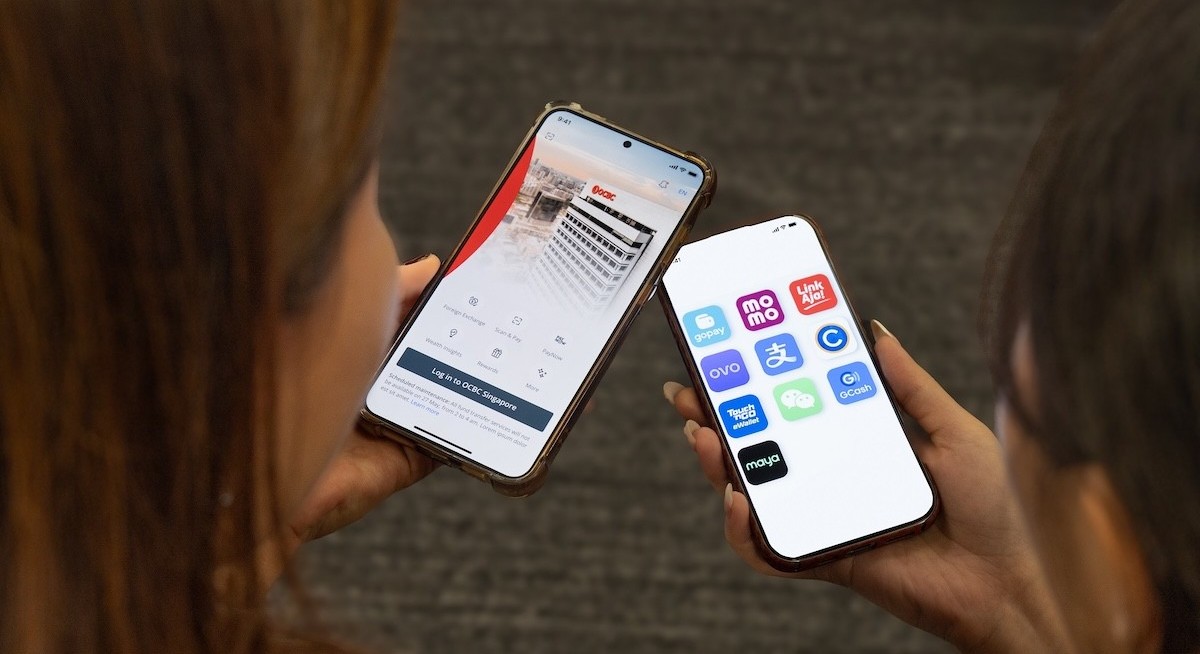


The pay-to-wallet feature on the OCBC app targets remittance pain points, particularly for Singapore’s foreign workers who still rely on slower, more expensive over-the-counter channels. Transfers can be made directly to recipients even if they do not have a bank account.
According to OCBC, usage of the feature has climbed steadily since the service launched with the Chinese wallets last year. The bank has processed more than $60 million in transfers, with cross-border transactions to China rising fourfold. Most users are PMETs, primarily Chinese nationals sending money home, and nine in ten have not visited a branch recently.
“When we launched pay-to-wallet transfers last year, we promised to go beyond China, and we have since delivered,” says Sunny Quek, OCBC’s head of global consumer financial services.
He continues: “By connecting OCBC accounts to eight of Southeast Asia’s most popular wallets, we are removing friction from cross-border payments and making remittances faster, cheaper and more inclusive. We’re not stopping here – our long-term goal is to connect customers to 50 digital wallets worldwide, giving them the most comprehensive wallet access of any banking app.”
See also: UOB tests quantum computing for derivatives valuation
The feature is built on Visa Direct, which connects to nearly 11 billion endpoints, including bank accounts, cards and digital wallets.
“Our latest Visa International Remittances report shows that nearly six in ten Singaporean remittance users plan to maintain or increase the amount they send overseas this year—a testament to the resilience and digital maturity of Singapore’s financial landscape. Our expanded partnership with OCBC enables us to connect additional digital wallets across Southeast Asia, empowering customers to send money quickly, securely, and conveniently. We look forward to extending our reach to more wallet partners in the near future,” says Adeline Kim, Visa country manager for Singapore and Brunei.




