


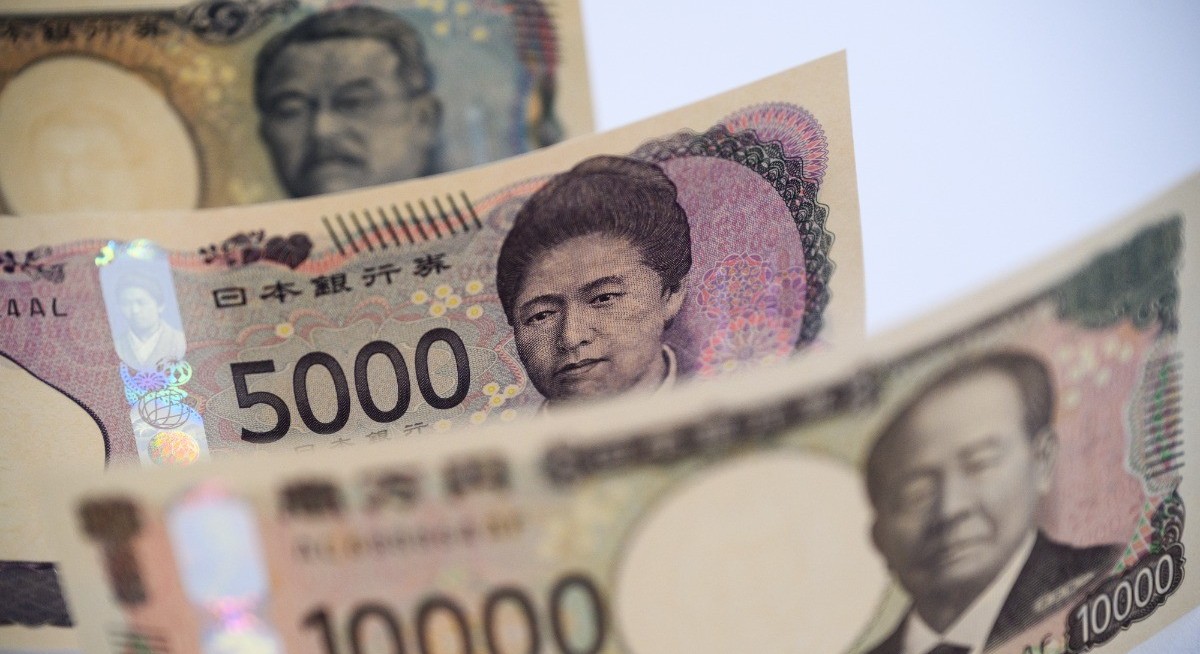


“There is a certain degree of caution over possible intervention by the authorities and the yen has shown a noticeable rebound after having been heavily sold,” said Hiroyuki Machida, director of Japan FX and commodities sales at Australia & New Zealand Banking Group. “However, the move also reflects broad dollar weakness, as US Treasury yields have declined and major currencies have risen against the dollar.”
While the BOJ lifted its policy rate to a three-decade high on Friday, Governor Kazuo Ueda offered little clarity on the central bank’s future rate-hike path, helping trigger a slide in the currency toward levels that have led to interventions in the past. Japan’s chief currency official Atsushi Mimura said this week that authorities will take appropriate measures against excessive foreign exchange market moves.

The Ministry of Finance stepped in last year when the currency slid to about 160.17 and conducted additional interventions at levels around 157.99, 161.76 and 159.45. Officials have indicated they are more concerned by volatility and the pace of moves than specific levels.
See also: Yen carry trade a ‘ticking time bomb’, warns BCA Research
“While it is difficult to pinpoint a specific level for actual intervention, past experience suggests that once the yen weakens past the 158 level, market nervousness would rise sharply amid expectations that intervention could come at any time,” Machida said.
Uploaded by Arion Yeow




