




According to DFI then, the transaction was to sharpen its focus on Guardian in Malaysia.
That sale was significant not just because DFI exited a sizeable food retail operation, but because it established a pattern. Rather than trying to hold a broad portfolio of businesses across markets — especially those in which it held a minority interest — the group began concentrating on segments where it believed it had stronger competitive advantages.
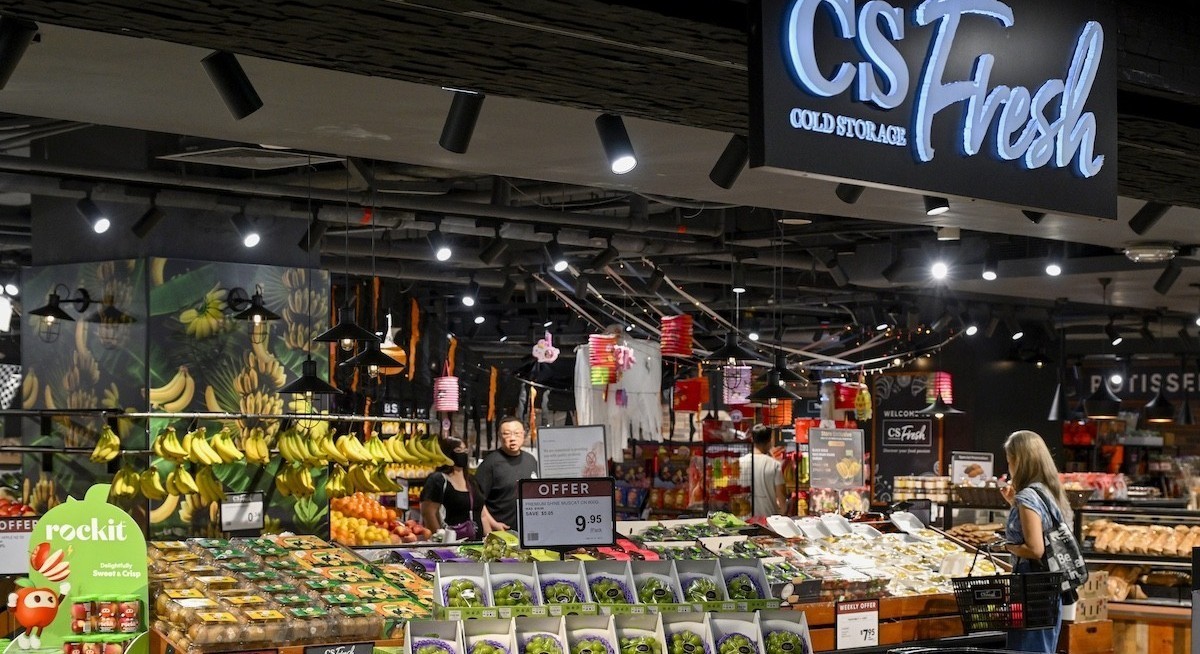
In March 2024, Macrovalue, having grown the Malaysian Cold Storage and Giant businesses bought from DFI, extended its reach across the Causeway. It paid DFI $125 million to take over the latter’s long-held supermarket chains Cold Storage, CS Fresh, Jason’s Deli and Giant brands in Singapore.
The retail business is, in a certain sense, a logistics business. There was a hint of “should have” hindsight, with Price alluding to how by increasing local product sourcing, retailers can better compete with local offerings among consumers. “As I look at Sheng Siong and their China sourcing, as well as NTUC and their Malaysia sourcing… [the Singapore food business] was at some point going to be very difficult for us to keep up with the investment in price curve without a Malaysia business.”
See also: MoneyMax taps pawnbroking and timeless gold to provide value across generations
However, Price qualifies that this deal to sell Malaysia was made before his appointment. “Not sure if that was what I would have done. But I cannot unwind that,” he says, adding that he did not see great value in rebuying the Malaysia food business.
In any case, the broader direction for DFI is to divest when it cannot take effective control. The big move came in September 2024, when sold its 21.1% stake in the China-based supermarket chain Yonghui Superstores to a buyer linked to the Miniso Group for RMB4.5 billion. DFI says the transaction “aligns with the company’s strategic and capital allocation framework, and allows the company to focus a greater proportion of capital to support the growth of its subsidiary businesses across all of its markets”.
The Yonghui exit was particularly notable because it removed a long-held but struggling exposure to mainland China’s grocery sector. For the year ended Dec 31, 2023, DFI’s share of Yonghui underlying losses was US$36 million, while the carrying value of the investment stood at US$765 million as at June 30, 2024. The disposal, therefore, did more than raise cash. It also allowed DFI to exit an investment that had weighed on earnings and tied up capital in a business where it lacked operating control.
See also: GKE signs non-binding LOI to develop and operate warehouse in Dubai for up to 50 years
A similar move was made in the Philippines. Last May, DFI completed the sale of its 22.2% stake in Robinsons Retail Holdings, one of the country’s largest multi-format retailers. DFI says the transaction reflects its “strategic pivot from a portfolio investor to a focused operating company”, allowing it to divest minority positions and redeploy capital to support the growth of subsidiary businesses.
For consumers here in Singapore, DFI’s key presence is its chain of Guardian pharmacies and 7-Eleven convenience stores. “We are sharpening our focus and investment in Guardian and 7-Eleven to deliver even greater value, convenience and innovation to customers. These businesses hold significant potential for growth and our dedicated teams in Singapore are working hard to ensure that we continue to meet and exceed the expectations of our customers in the years ahead,” says Price.




