


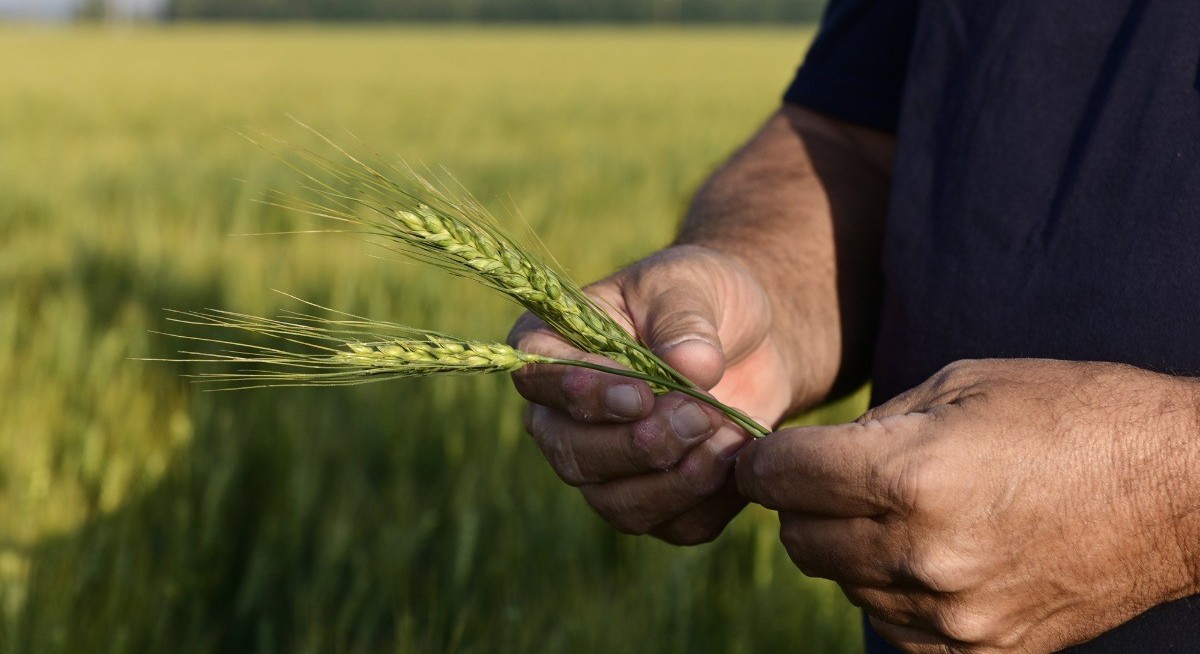


(March 26): Hard red winter wheat traded at its biggest premium to the soft red variety in almost a year as heat in the central US is set to exacerbate stress on fields.
US winter wheat conditions have deteriorated in the past month as drought impacts the Plains, where the hard red wheat used for bread is predominantly grown. Further hot and dry weather expected in the coming days could worsen the situation.
“Hard red winter wheat is very expensive globally compared to other origins, such as the European Union and Russia,” said Sarunas Cebelis, a senior portfolio manager at ETG Commodities BV. “It can hold a weather risk premium for a while, until the market gains confidence about the rains. By Monday, we should have a clearer picture.”
Temperatures in the region have returned to “significantly above-normal levels,” the US Department of Agriculture said in its daily weather highlights on Wednesday. A short-lived cold spell is set to be replaced as early as Sunday by “record-setting warmth”.

Wheat prices in general have climbed this month due to the Iran war, which has impeded not only energy flows, but also the fertiliser trade, sending farmers globally scrambling to secure needed nutrients.
See also: Lynas to develop rare earths metal production plant in Vietnam
But the US Plains are facing particularly acute weather risks on top of that, according to Matt Ammermann, commodity risk manager at StoneX Group Inc.
“As we enter spring, it seems the only major weather stressor for the whole Northern Hemisphere are the US Plains,” he said in a note. “Most of Europe and the Black Sea looks fully fine.”
In other agricultural products, soybean oil continued to climb amid expectations the US will finalise its biofuels blending policy. It rose as much as 1%, reaching the highest in almost two weeks.
See also: Energy Fuels produces ‘heavy’ rare earth metal at Utah mill
Prices:
- Hard-red winter wheat futures in Chicago rose as much as 1.8% before trading nearly flat by 12.33pm London time, while the soft red contract fell 0.7%
- Soybeans and corn were little changed
Uploaded by Felyx Teoh




