


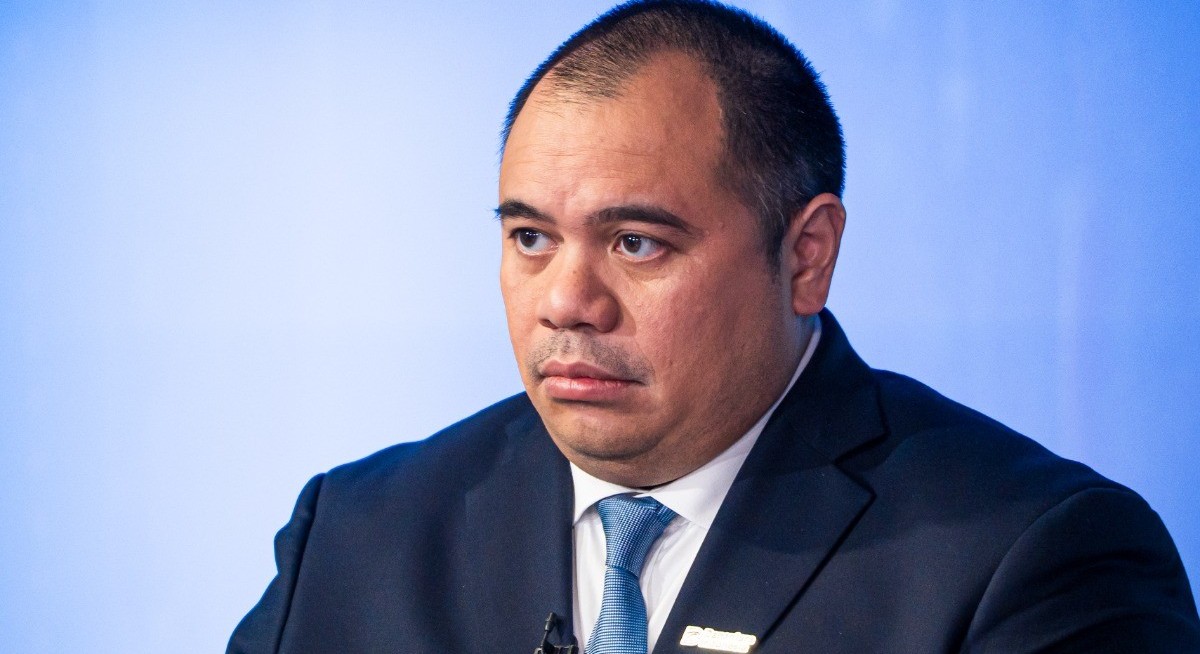


(May 22): Indonesia is “listening very closely” to the market as it builds a body to oversee key commodity exports, according to Pandu Sjahrir, the chief investment officer of Danantara, after a shock announcement that sowed confusion among traders and producers this week.
President Prabowo Subianto caught even many of the administration’s own top officials by surprise this week with a radical plan to channel shipments of palm oil, coal and nickel through a state-owned entity, to be managed by the sovereign wealth fund.
The administration wants to increase accountability in the country’s vast and fragmented commodities industries. Yet reconstructing the vast networks that trade and ship Indonesia’s natural resources to the world — currently dominated by global trading houses like Trafigura Group Pte Ltd and Wilmar International Ltd — is a mammoth task for a year-old fund.
“This is a very brave move, what he's doing. I think it’s also the right move,” Sjahrir said in a Bloomberg TV interview. “We are listening to the players, to the market. We want to make sure this is accretive both for producers and for shareholders involved.”
Asked about the continued perplexity in the market, Sjahrir said details would be provided over “the next few weeks”, though he added the for-profit outfit would focus initially on trading coal and crude palm oil, two commodities in which Indonesia is a major player. Prabowo had initially also mentioned ferronickel, another major export industry.
Sjahrir did not provide details of other aspects of the trade currently covered by the big trading houses with decades of experience working in the high-volume, capital-intensive business — including logistics and financing.
See also: Rice prices extend rally to one-year high as crop concerns mount
“What is important to highlight is a clear distinction: This will be an operator of business, not a regulator,” he said, adding Danantara would seek to hire “the best people from the market” to run a new body that would operate with corresponding governance standards.
“Hopefully, by the first part of January you will see us operate in full force,” Sjahrir said.
Danantara’s chief executive said earlier this week that exporters would be required to report their sales to the fund starting June 1.
See also: Prabowo to tighten control of Indonesia’s commodity exports
Southeast Asia’s largest economy has introduced audacious commodity policies before, as it attempts to make the most of its natural resources. Prabowo has taken that one step further, railing against the country’s tycoons and seizing millions of hectares of plantations and mining operations since coming to power in 2024 — a plan the administration says will improve governance and land management.
Prabowo, a former special forces commander, is under pressure to boost government revenue to fund fuel subsidies during an energy crisis — as well as costly policies introduced by his own administration including free school meals.
Concerns about excessive government spending and deteriorating governance have battered the Indonesian currency, prompting the country’s central bank to surprise markets with a 50 basis point rate hike on Wednesday. The Jakarta stock benchmark has slumped to a one-year low as investors seek clarity on what the policy will mean for a key segment of the economy.
Asked about oversight and the independence of the new body, Sjahrir said the fund is accountable to Indonesians: “We report to the president, and the president reports to 300 million people,” he said. “The level of scrutiny is already there, the level of discussion with stakeholders is already there. Now we are being tasked with new work, and we will do the best we can.”
Moody’s Ratings has said that the plan to centralise exports of key commodities through a state intermediary brought additional risks for the country’s miners and threatened to undermine confidence in the wider economy.
Moody’s and Fitch Ratings both cut their credit outlooks for the nation to negative earlier this year. Fitch cited an erosion of policy “consistency and credibility amid growing centralisation” of decision-making under Prabowo.
Uploaded by Tham Yek Lee




