


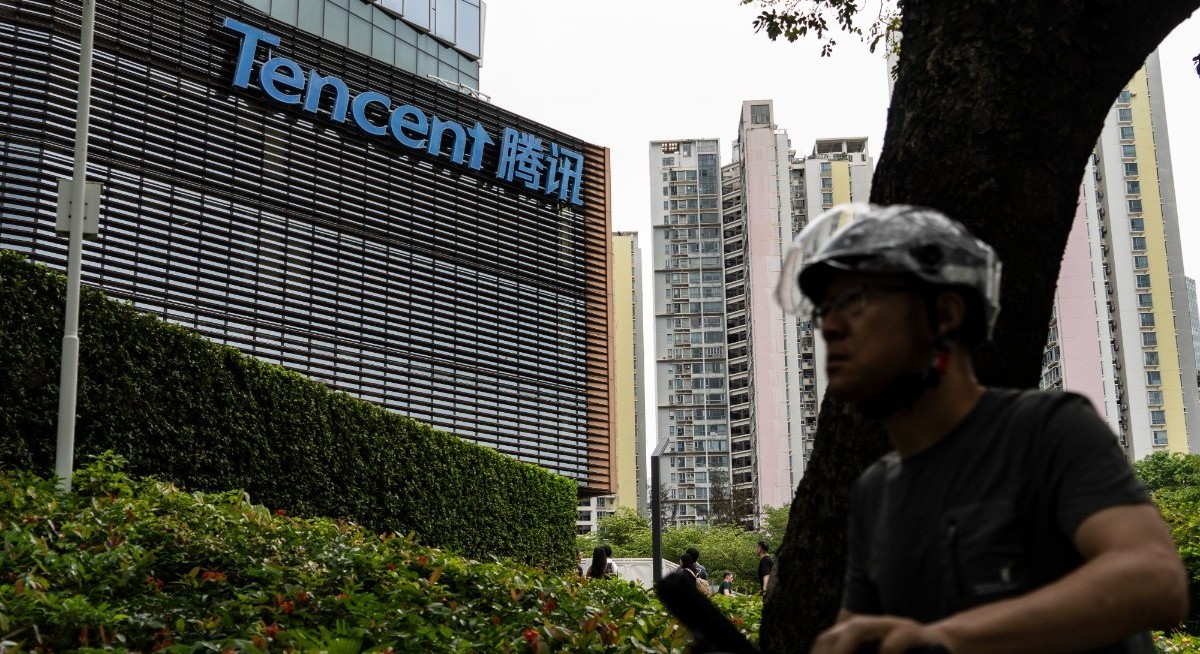


(June 23): Tencent Holdings Ltd is negotiating exits from several game studio investments in Japan, including Tokyo-traded Marvelous Inc, as part of a reassessment of the company’s global portfolio, people with knowledge of the matter said.
The Chinese game-publishing giant is evaluating its minority holdings in many studios and in some cases is preparing to sell stakes back to the original management team, even if it means incurring a loss, some of the people said.
Tencent is navigating a prolonged slump for the games industry at the same time as it is playing catch-up in the capital-intensive artificial intelligence race against peers Alibaba Group Holding Ltd and ByteDance Ltd. The company is casting a critical eye over its investments and assessing which still hold promise to be high performers, while also making new bets where it sees potential for growth.
Among the criteria for Tencent to exit an investment, the company considers whether its envisioned synergies with a portfolio company may have lapsed, according to one of the people, who asked not to be named discussing private deliberations.
Marvelous highlighted a flurry of deals that Tencent struck in Japan around 2020 in a push to acquire minority stakes in creative houses it deemed undervalued. It is now on the chopping block along with other names in the country that Shenzhen-based Tencent sees as underperforming, according to the people. Tencent’s bets on marquee studios like closely held PlatinumGames Inc and Elden Ring maker FromSoftware Inc and its parent Kadokawa Corp remain unaffected, the people said.
“Video games are core to Tencent’s business,” the company said in a statement. “We remain fully committed to working with our investees and maintaining our strong presence in the Japanese game market over the long term.”
See also: CATL debuts battery storage system using sodium, not lithium
A Marvelous spokeswoman declined to comment.
Tencent is adjusting its approach in several ways, including developing closer working relationships with its portfolio teams. Instead of a hands-off investor role, the company has increasingly sought to orchestrate a model where it effectively co-produces hit titles with foreign studios, helping them recruit creators and lending development resources.
The company is also increasingly interested in titles with user-generated content, like Minecraft and Roblox, according to the people. These games are dynamic as players constantly refresh them with new material. Tencent is still adding to its sprawling international games empire in small ways, such as via subsidiary Miniclip pursuing casual-game acquisitions, its early-stage Venture Lab investment vehicle and overseas bets from home-grown tentpole studios Timi and Lightspeed.
See also: Sony planning first dollar-bond sale in nearly three decades, Bloomberg reports
Investment in the games sector has dried up after a big expansionary period triggered by the pandemic’s surge in demand, and Tencent’s changes mirror similar moves at domestic rival NetEase Inc and Xbox operator Microsoft Corp. NetEase spun out and shuttered many of its video-game studios last year, with chief executive officer William Ding casting off titles that were unlikely to generate hundreds of millions of dollars per year. Microsoft is now also in discussions to offload studios it has backed, a sharp reversal from a bullish approach that saw it acquire Activision Blizzard for US$69 billion ($89 billion) less than three years ago.
Uploaded by Tham Yek Lee




