


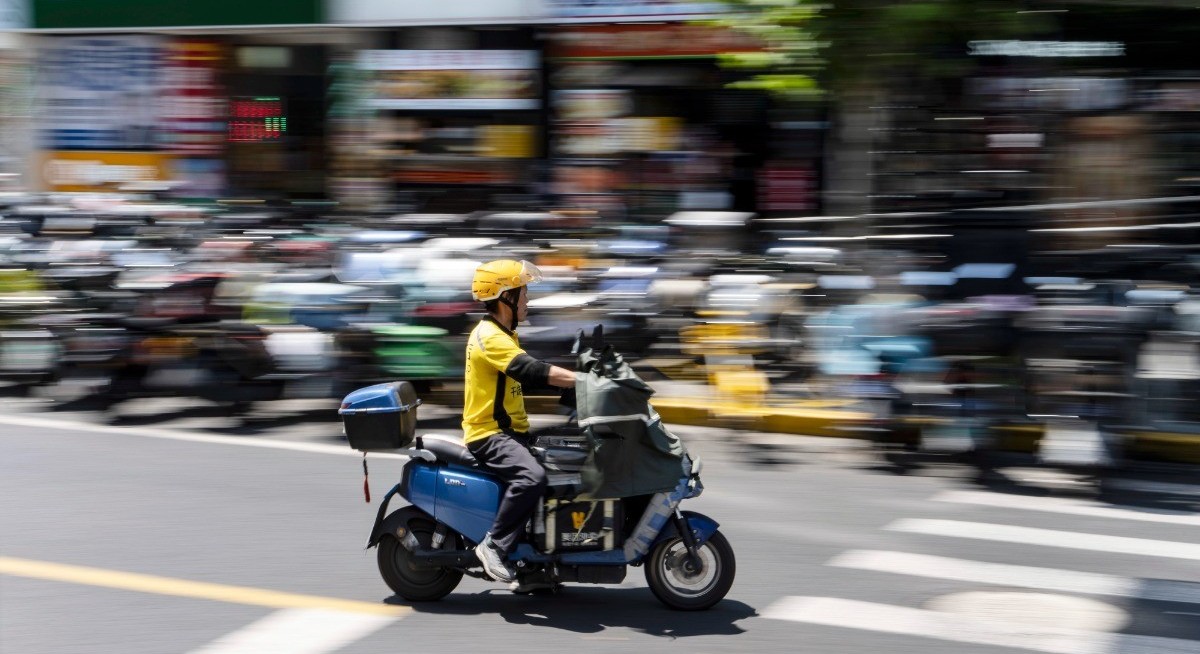


Alibaba’s shares slid as much as 4.2% in Hong Kong, leading losses in peers such as AI video platform Kuaishou, JD and Meituan.
Beijing has since 2025 heightened scrutiny of the country’s vast retail arena, particularly after Alibaba, JD and Meituan began spending billions of dollars on subsidies and incentives to try and dominate meal delivery. Its watchdogs have over the past year singled out practices such as no-questions-asked refunds and exclusivity arrangements that they say hurt smaller merchants.

China already has an e-commerce law to govern the sector. Some of the new regulations are designed to specifically target misbehaviours of platforms, the online tech companies that connect buyers with sellers. The new rules also require them to protect consumers and user data, and violations can lead to warnings and fines.
See also: CK Hutchison warns Maersk of legal action if it takes over Panama Ports
Rampant discounting and subsidies have also eroded margins across the e-commerce industry. In November, Meituan blamed “irrational competition” for its first loss in almost three years, reflecting the toll of its three-way battle with Alibaba and JD in a weak Chinese consumer environment.
Uploaded by Arion Yeow




