


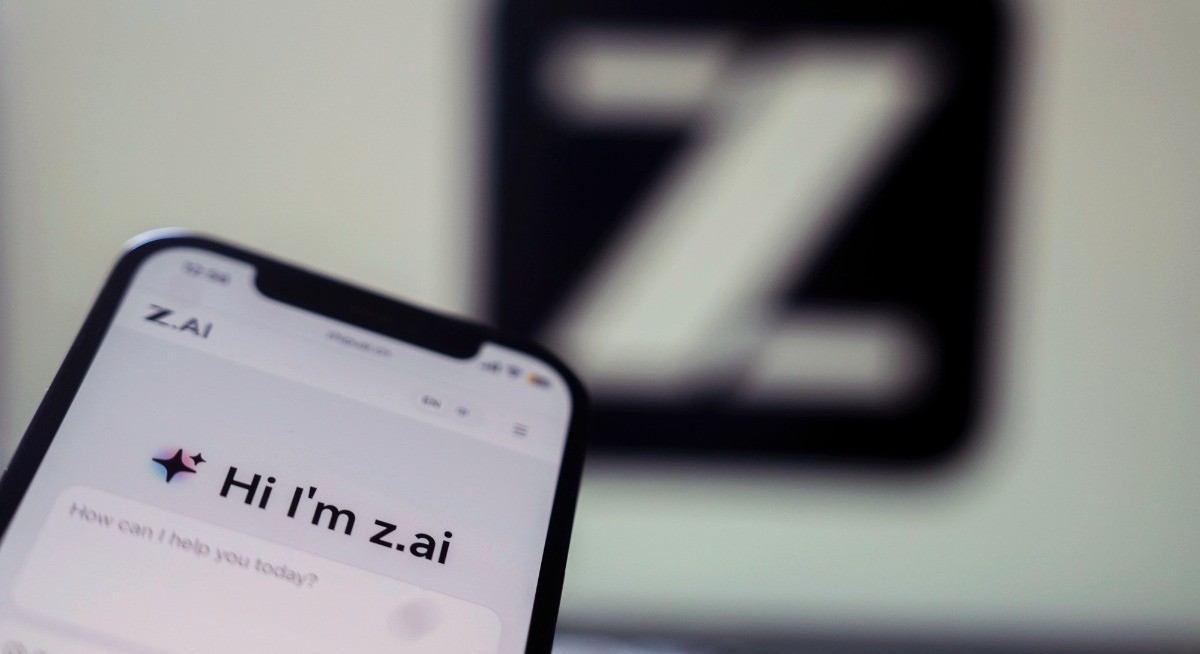


(Feb 12): ByteDance Ltd and Zhipu have joined a flurry of Chinese companies releasing major artificial intelligence (AI) model upgrades, raising the stakes in an intensifying battle for tech dominance and users ahead of the Lunar New Year.
Zhipu on Thursday released the latest iteration of its large language model (LLM), GLM-5, surpassing a rival offering from Moonshot AI unveiled just weeks ago to claim the top spot among open-source models on benchmarking site Artificial Analysis. The company hiked the price of its GLM Coding Plan — similar to Anthropic’s Claude Code, which is unavailable in China — by 30% this week to capitalise on surging demand.
TikTok owner ByteDance has also won high praise for the performance of its new video model, Seedance 2.0, which is still in testing. The competitor to OpenAI’s Sora has yielded a number of impressive demonstrations that have been widely shared online.
The back-to-back launches this week accelerated an arms race in China’s AI industry, where start-ups and tech giants are rushing out products to pre-empt an expected release from DeepSeek. The industry anticipates the Hangzhou-based research lab to unveil its next-generation architecture during the February holiday in China, a move likely to draw global attention. Alibaba Group Holding Ltd’s flagship model, Qwen-3.5, is also expected to debut in the coming weeks.
“It is a Spring Festival for Chinese models before the real Spring Festival for Chinese people,” said Xiadong Bao, a fund manager at Edmond de Rothschild Asset Management. “The performance gap between Chinese LLMs and the US ones is shrinking rapidly.”
Zhipu’s GLM-5 is designed to tackle complex coding and agentic tasks and has been measured directly against Anthropic’s Claude Opus series. The model, with more than double the number of parameters of its predecessor, was first launched in stealth mode over the weekend and received positive early feedback from developers. It’s part of the Beijing-based outfit’s plan to transition from building customised AI solutions for domestic business clients to selling its technology to global users.
See also: China’s years-long retreat from US treasuries flags bigger risks

Markets have this month shown elevated sensitivity to new AI debuts that threaten established businesses, hitting everything from legal and compliance software to video games. Zhipu itself, listed at the start of this year, has jumped about 70% this week after JPMorgan initiated coverage and GLM-5’s initial roll-out.
The model upgrades coincide with a parallel war for consumers, where Chinese Big Tech firms are giving away hundreds of millions of dollars in cash incentives to entice users to their AI chatbots — a level of marketing spending unseen since the mobile internet boom a decade ago. Companies including ByteDance, Alibaba, and Tencent Holdings Ltd are hoping to replicate DeepSeek’s success during the last Spring Festival, when its R1 reasoning model triggered a surge in user adoption.
See also: China sells yuan bonds in Hong Kong at lowest yields in years
ByteDance is the main sponsor of the Chinese state broadcaster’s popular New Year gala, and the company is distributing gifts including robots and smartwatches to users of its Doubao chatbot. Some analysts have questioned if the outsize spending is justified in an already costly battle.
“Qwen (Alibaba), Doubao (ByteDance), Ernie Bot (Baidu) and Yuanbao (Tencent) are all spending a lot of money to buy traffic,” said Felix Wang, the tech sector head of Hedgeye Risk Management. “I know they are all trying to build habit among the users, but this will hurt margins, again.”
Uploaded by Tham Yek Lee




