


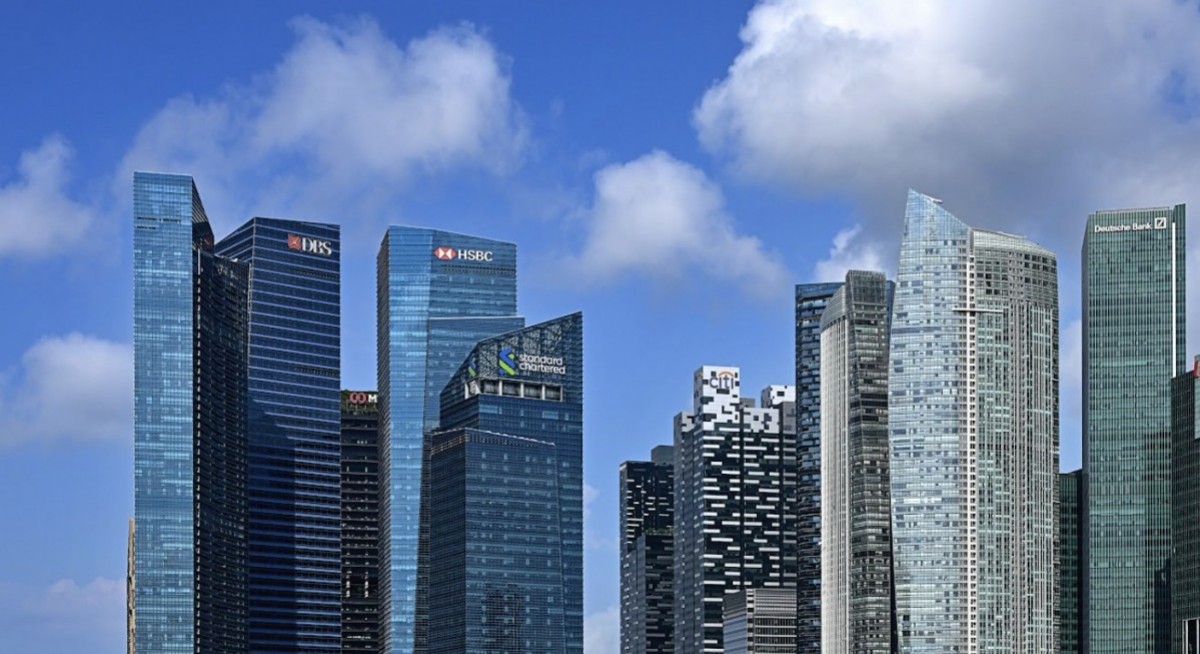


Still, heavy SRT use is unlikely given low risk-weighted asset density, ample capital for modest loan growth and alternative efficient capital tools available. DBS has a larger and diversified corporate book vs. peers, which better suits reference-portfolio SRTs; scale and mature risk infrastructure improve transaction economics.
The adoption of SRT by Asian banks is likely to be gradual and uneven in the near to medium term. Historically SRTs are more common among European and US banks, but there seem to be early signs of changes. This is because final Basel III SRT frameworks are gradually embedded across Asia Pacific at varying degrees, and global asset managers and insurers are actively seeking diversified credit risk exposure in today's volatile market for yields.
Broadly, Asian regulators have built credibility for supervisory rigor over the years, which increases investor confidence in the region. Sumitomo Mitsui Banking Corporation announced on Dec. 15 that its Asia Pacific Division had closed its first SRT transaction, referencing a US$3.2 billion portfolio of Australian and Asian project finance loans.
Singapore banks' capital could remain sound in 2026 and above their target operating range, allowing room for active capital-management efforts to support shareholder returns. Earnings could remain resilient this year — even as interest margins narrow on further rate-cut prospects — sustaining CET1 capital, supporting capital-return plans and absorbing modest risk-weighted asset growth this year.
See also: HSBC, Standard Chartered weigh significant risk transfers as Asia-linked deals ramp up — Bloomberg
Sub-optimal Additional Tier 1 and Tier 2 capital ratios allow room for greater capital-structure optimisation as interest rates fall. DBS led with a 15.1% fully phased-in CET1 ratio in 3Q2025, close to OCBC's at 15%, while UOB trailed peers at 14.5%. The lenders' average risk-weight density held at 40% as of 3Q2025.
With further interest rate cuts expected, capital-rich Singapore banks can optimise their capital structures by issuing debt rather than relying mostly on costly CET1 capital to meet regulatory requirements. Substituting CET1 capital with cheaper subordinated debt could free up equity for buybacks or higher dividends, though with mixed credit implications.
Though their CET1 ratio is at least 6 percentage points above the 9% regulatory minimum as of 3Q2025 on a pre-fully loaded final Basel III rules basis, total capital buffers are narrower, reflecting limited use of capital debt. Singapore's regulator broadly follows global guidelines, allowing banks to issue Additional Tier 1 debt for up to 1.5% of risk-weighted assets and Tier 2 debt for up to 2%.
See also: UOB's wealth drive into Hong Kong to buoy revenue growth




