




Bringing that regional momentum to Malaysia, KiN’s agreement with Maya Hotel owner Selangor Dredging grants it a lease of 10 years with a 5+5 year renewal option.
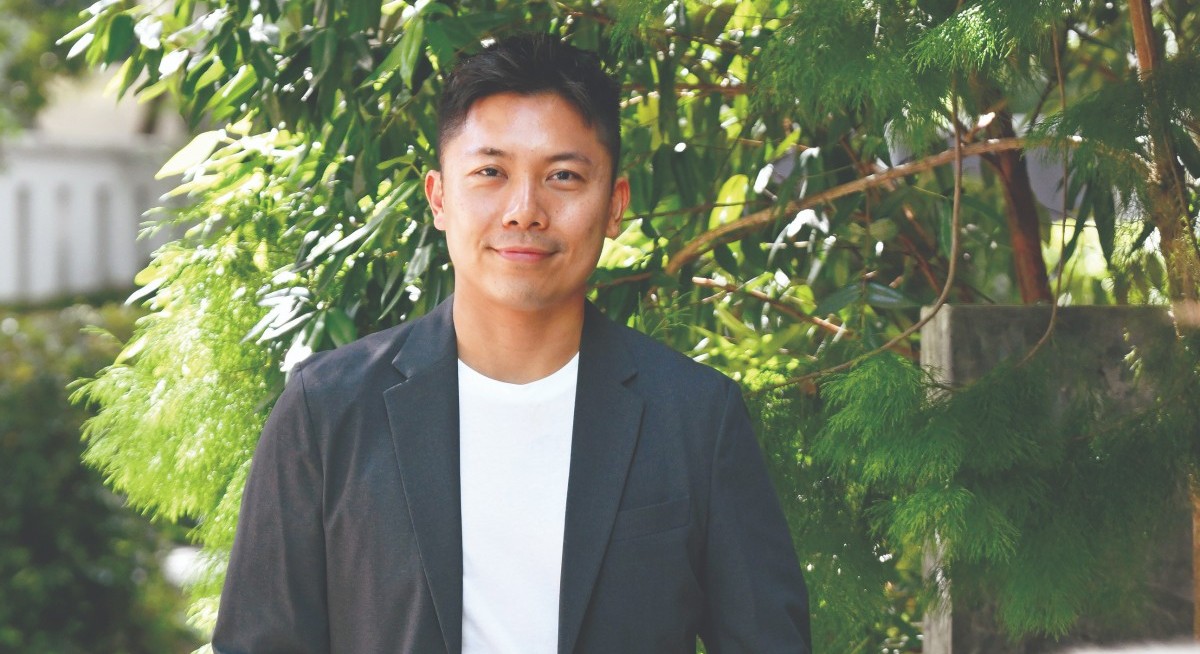
Talks between the parties began in February and the deal was struck within a few short months. KiN Group co-founder and chief business officer Benny Ong explains how the opportunity to rejuvenate and manage Maya Hotel was not one the organisation could pass up.
“Over the last two years, we did a study on KL. Last year alone, occupancy and the average daily rate increased. Even though many people keep saying there are a lot of Airbnb [units], for the hotel industry specifically, the economy and tourism were doing well. We also know the ringgit is strengthening. We saw that tailwind about a year ago and decided to take KL very seriously,” he says.
The cost of the whole Maya Hotel refurbishment exercise is upward of US$5 million ($6.4 million) and will be done in stages to avoid disrupting hotel operations. The hotel has 284 rooms spread across 22 storeys. Ong says some rooms may be removed to extend hotel facilities.
See also: Maybank handles US$4.9 bil deals for Singapore, Malaysia hub

“We might remove a few rooms to extend our facilities, rather than altering general room configurations. For example, we are considering a spa, which is quite important in a modern wellness context,” he says.
“We are also looking at the gym. We embrace the whole fitness culture. Gyms are getting more packed nowadays compared to the past, when it was just an aesthetic feature to show the hotel had one. Today, people really care about the equipment, so that footprint might extend.”
See also: Malaysia won’t rush defence spending, eyes asymmetric warfare
Unique dining offerings, where there could be three or four main F&B outlets within the hotel, are also being considered, with one possibly being an omakase restaurant.
Maya Hotel will continue to operate under its current name for the present until the entire interior refurbishment and renovation is completed. Ong says the process will start in August and should be completed by the last quarter of this year. The working name for the updated hotel is KiN Hotel Reserve.
“We chose ‘KiN’ because it is internationally easy to pronounce. Second, ‘KiN’ carries meaning; kinship implies making people feel at home even in a foreign place. We added ‘Reserve’ because it is easily understood. If we came up with a completely new word, we would have to go through the process of explaining it to people who might feel lost,” Ong explains.
KiN is hoping to draw guests in their late 20s to under-50s, a demographic that Ong says is not into budget hotels but at the same time, don’t want to pay for a lobby they don’t hang out in. These guests are seeking “essential luxury” with facilities such as a good gym and blackout rooms.
Creating a community hub
In Vietnam, KiN Group creates a placemaking environment where several of its hotels, which are within close proximity to each other, would hold events in one hotel and invite all guests to join and be part of a larger group. By doing so, the group is creating a unique experience for their guests from different hotels. A similar philosophy will be replicated in KL.
“We want to be a lifestyle hotel rather than just a design hotel. For instance, this year, we want to work with the team behind Saigon Fashion Week. Just imagine every boutique hotel being a pop-up showcase for a different fashion brand.
“That is what we really want to do, hopefully very soon in Malaysia — bringing lifestyle, taste and culture into a space where classically it was just meant for staying and having a good sleep experience. We want to expand the concept,” says Ong.
He also hopes to work with local community hubs to introduce more events that will benefit the community. “[I wish that our hotel] is not just a place for hotel guests or foreigners, but a place that makes sense for locals as well. That is quite important to us.”
One might think the biggest challenge for Ong in setting up a hotel in Malaysia’s capital is the competition from other hotels and Airbnb. However, that isn’t the case.
“My biggest trap would be creating a homogeneous design hotel that looks just like any other design-based hotel, where people can’t see a clear difference. The idea is to separate ourselves from the big brands and typical local design hotels by creating a category of our own. This is why lifestyle, events and culture are really important [to us],” he stresses.
Also, to avoid competing in the same manner with international hotel chains that built their infrastructure on volume and loyalty points, Ong says KiN aims to create a wider community by increasing its hotel capacity in Kuala Lumpur.
“Instead of an expansive, thin network, we build dense urban hospitality ecosystems. If we scale to 1,000 rooms this year [which we are on track to do] and aim towards 5,000 rooms in KL over the next five years, our properties become a highly concentrated local cluster. This allows us to launch unique concepts like our ‘One Hotel, Five Lobbies’ cluster framework,” he says.
Under this model, when a guest checks into one of the group’s properties, the guest gains seamless access to the entire localised cluster. Every individual hotel lobby within that geographic radius features a completely different curated experience.
Also, by concentrating properties within a pedestrian-friendly walking radius of 500m, Ong intends to create an interconnected urban campus where guests can wander from lobby to lobby to experience different community activities.
Another way to differentiate itself is through social media marketing. Today, the group has built a strong network of over 1,000 key opinion leaders called “KiNfluencers”. By moving beyond simple endorsements, it has cultivated a proprietary ecosystem that turns social capital into a primary engine for growth.
For now, plans are afoot for more KiN Hotels in KL but Ong says it is too early to divulge details. What he can share, however, is that the company could add another four hotels in KL to complement Maya Hotel.
As for the future, Ong says KiN intends to stay deeply localised and concentrate on specific core markets, namely Vietnam, Malaysia, Singapore, China and potentially Bali in Indonesia.
This story first appeared in the May 25 issue of The Edge Malaysia
Photos: The Edge Malaysia




