




While capital is tighter, expectations are also higher. Shifting consumer expectations are reshaping the definition of luxury itself. Spending power among Gen X, Millennials and Gen Z is accelerating, fuelled in part by the massive US$84 trillion ($107 trillion) intergenerational wealth transfer underway in the US alone. This new generation of travellers is placing greater emphasis on sustainability, personalisation, well-being and immersive cultural experiences, moving luxury away from overt opulence toward conscious consumption, authenticity and emotional connection.
Whether through repositioning existing assets or delivering entirely new developments, the industry is being forced to rethink traditional models of luxury and investment. These pressures are not temporary disruptions, but indicators of a broader structural shift in how hospitality projects must be conceived and executed. The question is no longer how to deliver luxury solely at the highest end of the market, but how to embed thoughtful, meaningful and aspirational experiences across all price points — without compromising financial viability.
Aligning product, market and place
One of the most critical considerations in maximising project value is alignment of product with market realities and site characteristics. Not every site can, or should, support top-tier luxury positioning. Success depends on aligning the product to both the development budget and the anticipated spending power of the end user. Partnerships play a defining role. Collaborating with soft or lifestyle brands that prioritise contextual relevance allows developments to better reflect their location while maintaining strong market positioning.
See also: Arcc Spaces appoints The Afternaut Group to design Bank of Singapore Centre co-working space
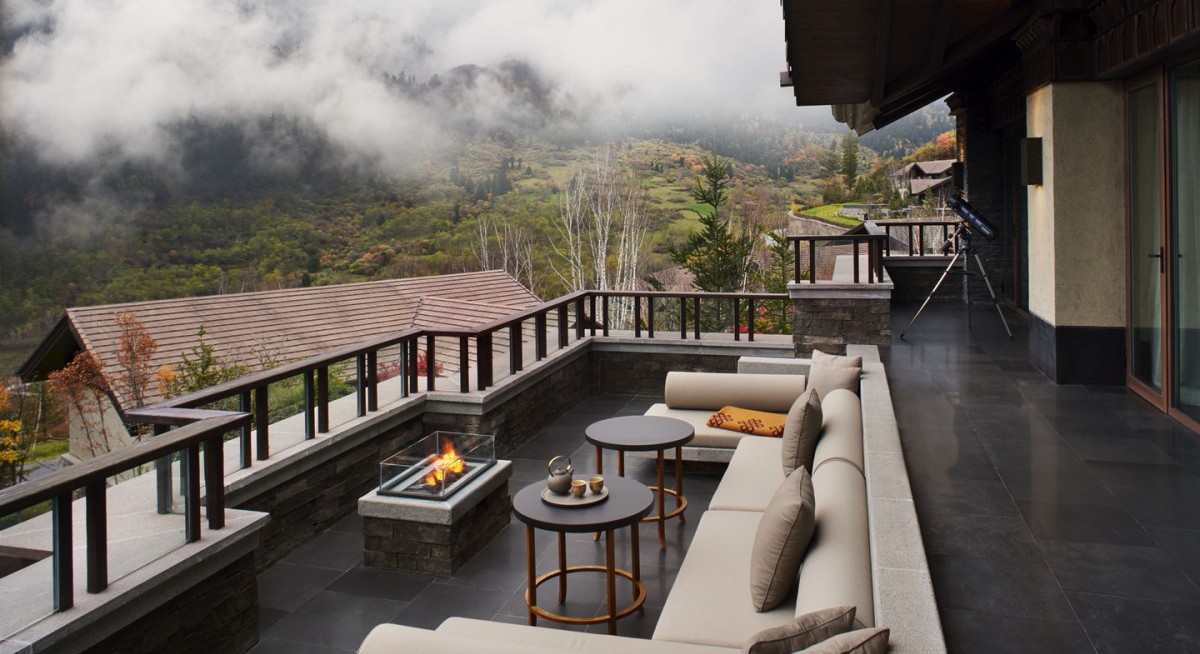
Equally important is the recognition that the most compelling opportunities often lie in leveraging what is already present. Across Asia Pacific and beyond, cultural context and natural landscapes offer a rich foundation for creating distinctive destinations. Rather than imposing generic luxury models, projects like Rissai Valley, a Ritz-Carlton Reserve that draw from their surroundings — materially, spatially and experientially — tend to achieve stronger differentiation, and are more likely to maintain consistent occupancy, operational stability and long-term relevance.
Designing for impact and efficiency
Delivering value in today’s environment requires a more deliberate and disciplined design approach — one that balances aspiration with efficiency.
See also: With Mice in mind, St Regis revamps for the modern luxury traveller
In today’s digital and experience-driven economy, perception plays a powerful role in value creation. A key strategy is to focus on a small number of defining elements that shape the identity of the project. These could be a signature arrival sequence, a dramatic view corridor or a central social space. Projects that generate memorable, visually compelling moments benefit from amplified visibility — both organically and through curated storytelling. Designing for these moments does not require excessive cost; it requires intention, choreographed for maximising a sense of discovery.
In tandem with designing for impact, cost efficiency must also be considered. Thoughtfully standardised components such as guestrooms — increasingly viewed less as the primary differentiator — can be designed with layouts that are simple, functional and optimised for construction efficiency, without sacrificing comfort or quality. This allows for a more precise allocation of investment toward the areas that matter most, with greater emphasis placed on impactful F&B offerings, wellness experiences, kids programming and landscape strategies that support soft activation and experience creation without requiring significant additional gross floor area or construction cost. These experiences enhance a project’s profile, strengthen its identity and contribute to sustained demand.
Flexibility is another critical factor. Spaces that can adapt to multiple uses — across different times of day or evolving market needs — not only maximise revenue per square meter but also extend the life cycle relevance of the asset. This is particularly important in an environment where guest expectations are constantly shifting.
Equally, operational performance must be embedded into the design process from the outset. Back-of-house planning is often overlooked, yet it has a direct and lasting impact on efficiency, staffing and overall profitability. Poorly resolved operational spaces are difficult to correct after completion and can erode value over time.
From developments to destinations
Assets are never truly standalone; their success depends on the creation of and the integration with a destination — often established in the earliest stages of master planning. Long-term value is driven by the ability to create environments where infrastructure, culture and experience are interwoven into a cohesive whole. Thanh Xuan Valley and Giza Pyramids are prime examples of destinations where strategic thinking, planning and design can strengthen long-term tourism vitality.
At its core, this is the art of placemaking — creating environments that extend beyond individual buildings to shape meaningful and enduring destination experiences. It requires a more holistic approach to planning and design, one that considers not only individual assets, but also how they connect, interact and contribute to a larger narrative. Projects that succeed in this regard are more likely to attract sustained visitation, support diversified revenue streams and remain relevant over time.
Unlocking value through design
In a more constrained and competitive market, design is more strategy than pure aesthetics. Modern luxury is increasingly measured in memorability. It is no longer about delivering the most, but about delivering what matters. Every project — regardless of price point — has the potential to create moments of luxury, sometimes through something as simple as a view to wake up to. Increasingly, it is the quality of experience a project enables that defines modern luxury hospitality, creating a level of desirability that drives sustained investor confidence and robust long-term demand.
Guy Cooke is associate principal and director of advisory services at WATG, a global hospitality design firm offering integrated services across five studios: Advisory, Master Planning, Architecture, Landscape and Wimberly Interiors




