


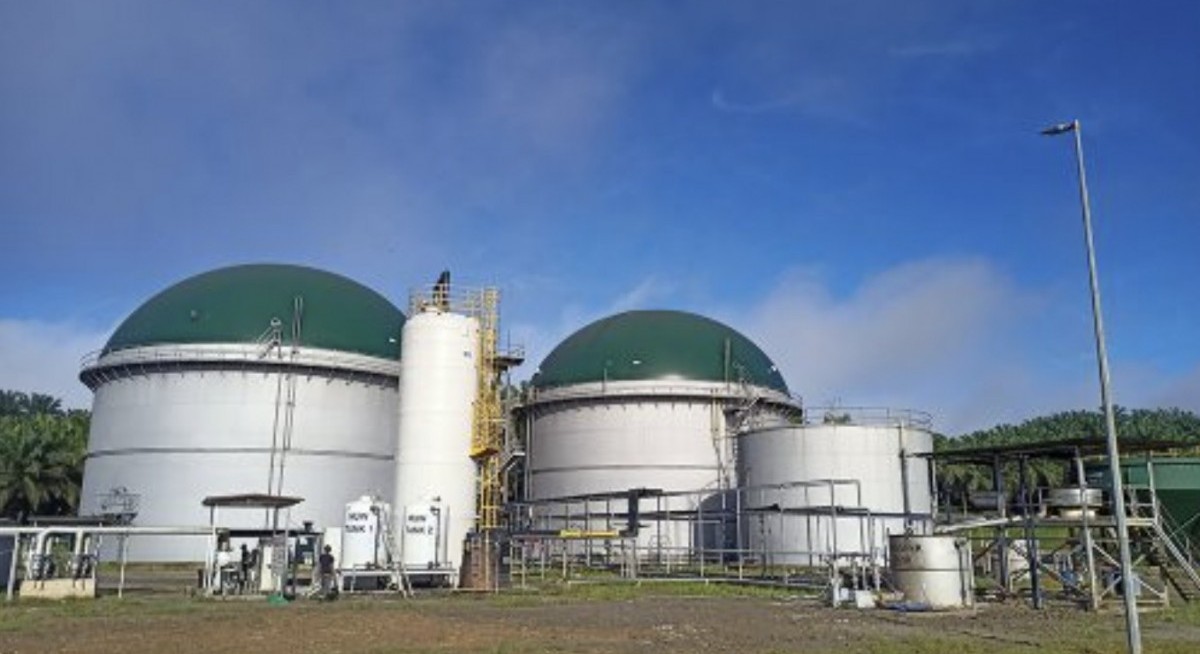


Why the surge in price? PhillipCapital said, in a March 13 update, that Oiltek could be benefiting from a multi-year build-out cycle for sustainable aviation fuel (SAF) around the region. SAF plants in Indonesia and Malaysia have access to abundant feedstock, namely palm oil mill effluent. Higher jet fuel prices and energy security as a result of the Iran war are added impetus to accelerate the demand for SAF. Other opportunities ahead for Oiltek include palm oil refining plants in South America and biodiesel and bioethanol plants in Indonesia, PhillipCapital says, while the next evolution for Oiltek is to generate recurring income from an ownership stake in processing plants.
In FY2025, Oiltek reported a net profit of RM32 million, up 7.9% y-o-y. However revenue slid 8% y-o-y to RM211 million following the completion of several projects secured in Indonesia and Africa in FY2024. Gross profit margin rose 8.6% percentage points from 24% in FY2024 to 33% in FY2025, underpinned by cost savings from certain projects. The gross margin improvement was also partly due to increased revenue in its renewable energy segment from RM18 million in FY2024 to RMB62 million in FY2025. There was a forex loss of RM8 million, of which approximately 50% was realised and 50% unrealised. Oiltek’s cash position is mainly held in US$. The company bills in US$ for contracts outside of Malaysia and in RM for Malaysia contracts.
New orders secured in FY2025 were softer at RM152 million versus RM407 millioin secured in 2024. “We believe the change in palm oil policies in Indonesia and the pivot towards recurrent income projects were key drivers of the lower order book. Our expectations are for a significant rebound in orders this year, led by both refining and renewables projects,” PhillipCapital says.
Market prices often move ahead of fundamentals, and they appear to have done so in the case of Oiltek. The break above $1.13, the closing high reached in August 2025, indicates an eventual upside of $1.65. Annual momentum has just turned up, and weekly directional movement indicators have only just turned positive, pointing to resilience. The only blip in an otherwise positive slate of technical indicators is the 21-day RSI, which is on the high side at 79.
On the whole, the weight of the evidence points to an upward trajectory punctuated by temporary corrections. Support is at the breakout level of $1.13.
See also: Firmer rates, hawkish Fed, banks at new highs

Elsewhere, the Straits Times Index, which ended at 4,898 on March 27, remains below its still rising 50-day moving average at 4,913. However the index has stayed above the rising 100-day moving average at 4,754. This moving average line should be viewed as a support line. Both 21-day RSI and directional movement indicators are neutral. Quarterly momentum is moving sideways. The consolidation currently underway is likely to continue. However, it appears increasingly likely that the STI should remain resilient compared to key developed markets during the consolidation phase. Assuming the consolidation phase started at end-Feb, it may well have another month to run.




