


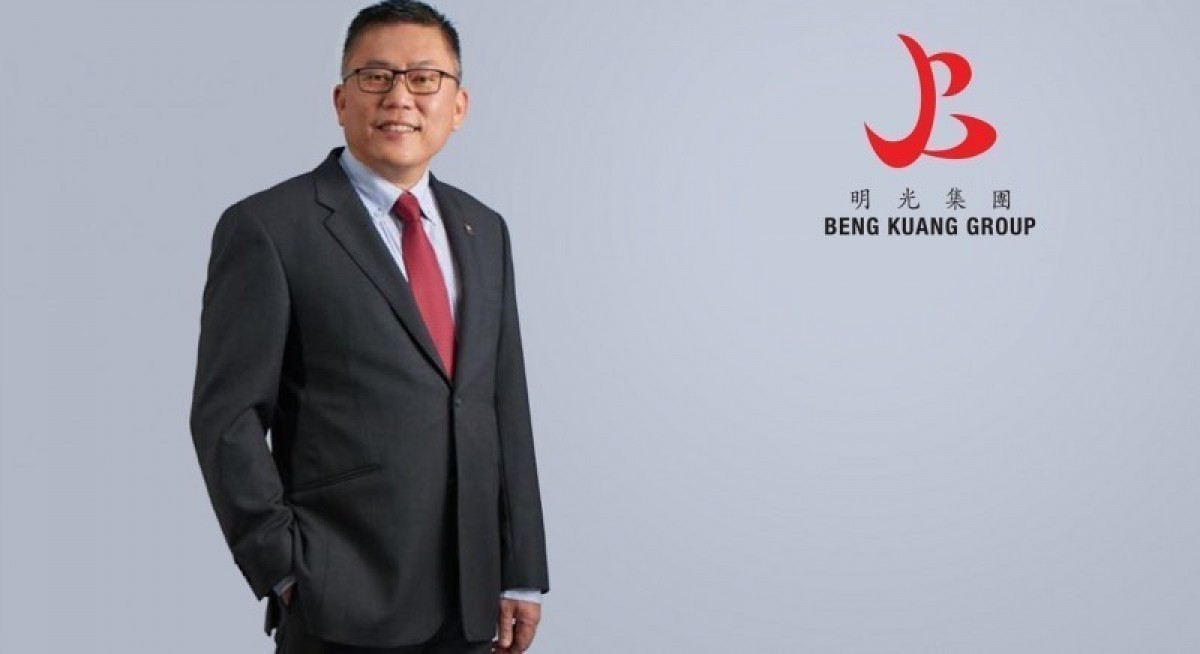


Their confidence in Beng Kuang is driven by a combination of factors. Firstly, at the business level, Beng Kuang has announced a proposal to acquire the remaining 49% stake it does not own in its 51%-owned subsidiary, Asian Sealand Offshore and Marine (ASOM), for $60 million. The subsidiary offers a comprehensive range of services to O&M assets, including maintenance, repair and inspection.
For the last few years, ASOM has contributed the bulk of Beng Kuang’s revenue under the infrastructure engineering segment which for the latest financial year contributed 90% of operating profit. With the acquisition, Beng Kuang will consolidate 100% of ASOM’s earnings and cash flows. Yon and Chan project earnings per share to increase from 2.6 cents to 3.6 cents for FY2026 after. They also highlight improved quality of earnings, with a higher share derived from recurring offshore lifecycle income.
In addition, Yon and Chan believe that the ASOM transaction is a “good” deal that “pays for itself”, noting that cash is paid to ASOM, which will be owned by Beng Kuang. They also point out that ASOM’s current management will take a 20% stake in Beng Kuang and will continue to manage ASOM post-transaction, ensuring business continuity.
The second factor influencing Yon and Chan’s report is the sustained demand for O&M support services. They see structural tailwinds such as higher oil prices and tight supply of floating, production, storage and offloading (FPSO) vessels to drive demand for Beng Kuang’s services in infrastructure engineering to maintain, repair, inspect and extend lifespans of offshore assets.
See also: Citing defensive yield, Beansprout initiates coverage on United Hampshire US REIT
Another demand factor supporting Beng Kuang is the corrosion prevention market which the company also operates in. Citing market intelligence, the global offshore wind corrosion protection market could grow from US$3.8 trillion to more than US$10 trillion by 2033, representing a huge opportunity for Beng Kuang’s corrosion prevention division.
Based on Beng Kuang’s business model of operating in structural infrastructure maintenance, Yon an Chan expect the company to benefit from rising energy security investments that drive marine compliance, inspection, and corrosion prevention. They also note value-unlocking and asset monetisation initiatives, such as new contracts in deck equipment and shipbuilding worth around $22 million that were secured in FY2025 and land sales over the last few years.
Yon and Chan project Beng Kuang’s FY2026 and FY2027 net profit after tax of $12.1 million and $18.1 respectively. Their target price of 53.5 cents is based on 12 times of forecasted blended FY2026 and FY2027 earnings, which represent a small discount to peers and reflects timing of earnings consolidation as full contribution from ASOM will only be reflected from the second half of FY2026.




