

Billion Dollar Club: COMMUNICATION SERVICES

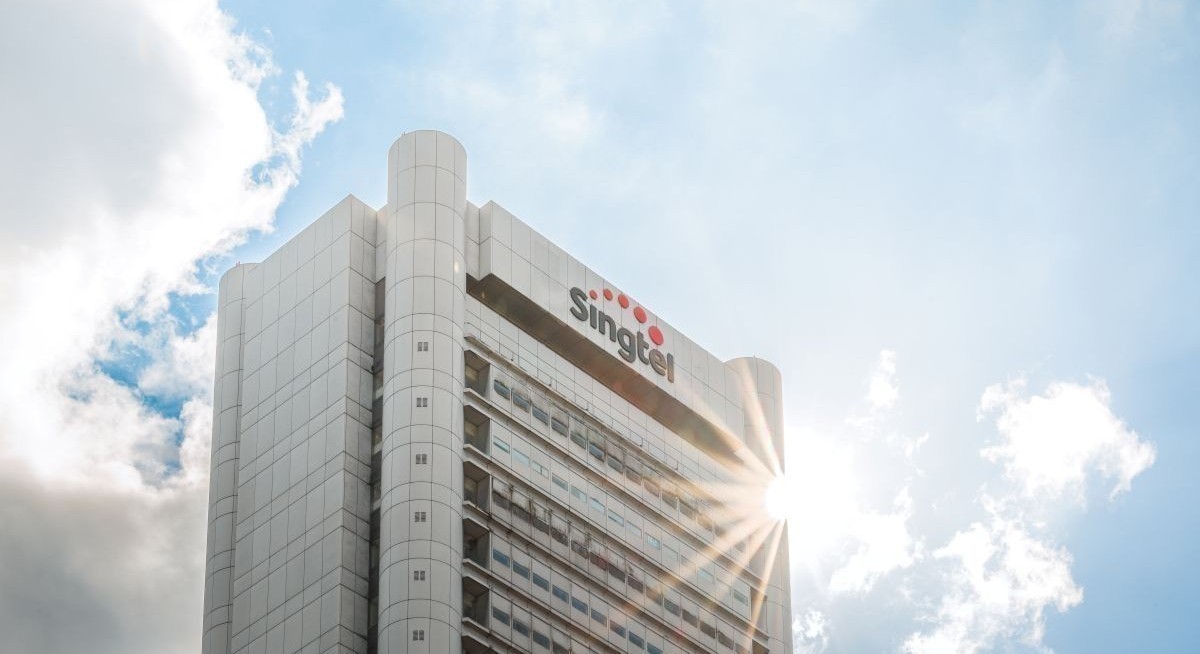
Singapore Telecommunications, better known as Singtel, is the big winner in this year’s Billion Dollar Club (BDC) industry category. It took overall sector, plus growth in profit after tax and returns to shareholders. Singtel is known as the incumbent national telco, but with a series of acquisitions overseas, its earnings profile has changed quite dramatically. The company continues to command the market leader position within Singapore in key markets such as mobile.

However, the majority of revenue, earnings and growth are from its overseas holdings, ranging from minority stakes in market-leading mobile operators from India to Indonesia, as well as its wholly owned subsidiary Optus in Australia. 

Underpinned by its operational improvements, Singtel has in place a capital management strategy that has helped drive handsome gains in its share price over the past year or so. Under this plan, Singtel actively monetises assets to unlock cash. It has been doing so via regular trimming of its increasingly valuable stake in India-listed Bharti Airtel, and by divesting its corporate headquarters, Comcentre. From proceeds of these divestments, it then channels the funds into upgrading its mobile networks, expanding its AI-driven regional data centre footprint, and broadening its fast-growing regional ICT enterprise unit NCS. And more pleasing for shareholders, a better assurance of higher dividend payouts.


See also: A rejuvenated Singapore market, a reset for The Edge Singapore

mute
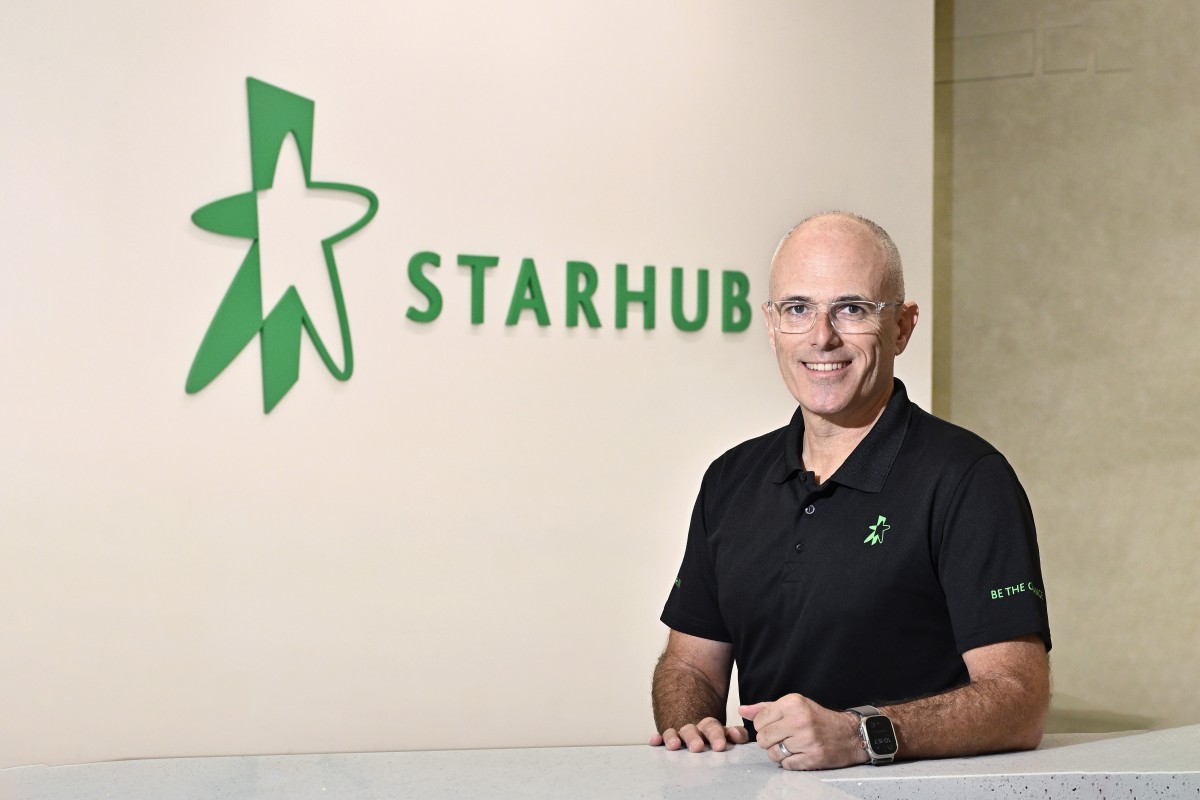
StarHub is not allowing Singtel to make a clean sweep. Singapore’s second-largest telco has been named the winner in the weighted return on equity (ROE) category. In his FY2024 address to shareholders, chairman Olivier Lim notes that StarHub has been focused on digitalising its IT and network infrastructure so as to generate better cost efficiencies for both the way it runs and for its customers. 

In its consumer business, StarHub deploys a multi-brand, multi-segment strategy to capture a bigger total piece of the market in the face of intensive competition. Its enterprise segment, on the other hand, leverages on the new digital infrastructure platform to help generate growth. In FY2024, the company met and or exceeded prior guidance offered to the market across metrics ranging from service revenue growth, service ebitda margin, capex commitment and dividend. 

In addition, StarHub’s balance sheet remained strong with positive free cash flow of $162 million and healthy net debt to ebitda of 1.29 times as at Dec 31, 2024, which gives it ample financial flexibility, and of course, “best-in-class” ROE of 21.9%.