


In recent years, global market uncertainties have persisted, while China’s economy continues to exhibit agility. Against this backdrop, China’s environmental protection sector is gradually shifting its focus from “scale expansion” to “high-quality development”, with an emphasis on improving operational efficiency and pursuing sustainable development. 

Yet, in an evolving market environment, China Everbright Water Limited (CEW), the listed water-environment arm of state-owned China Everbright Group, has weathered the storm and strengthened its footing. Far from pursuing scale for its own sake, CEW is demonstrating a distinctive resilience, underpinned by high-quality operations management, robust cash flow and a growing asset-light strategy, charting a course of steady growth as market dynamics shift. 

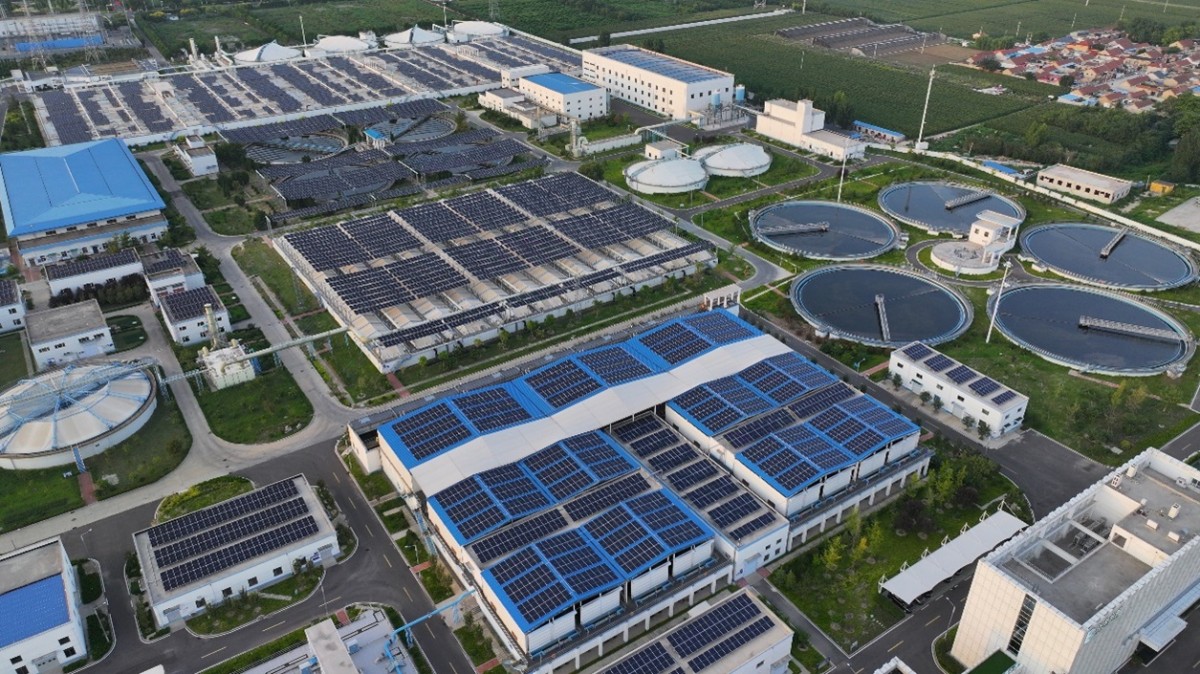
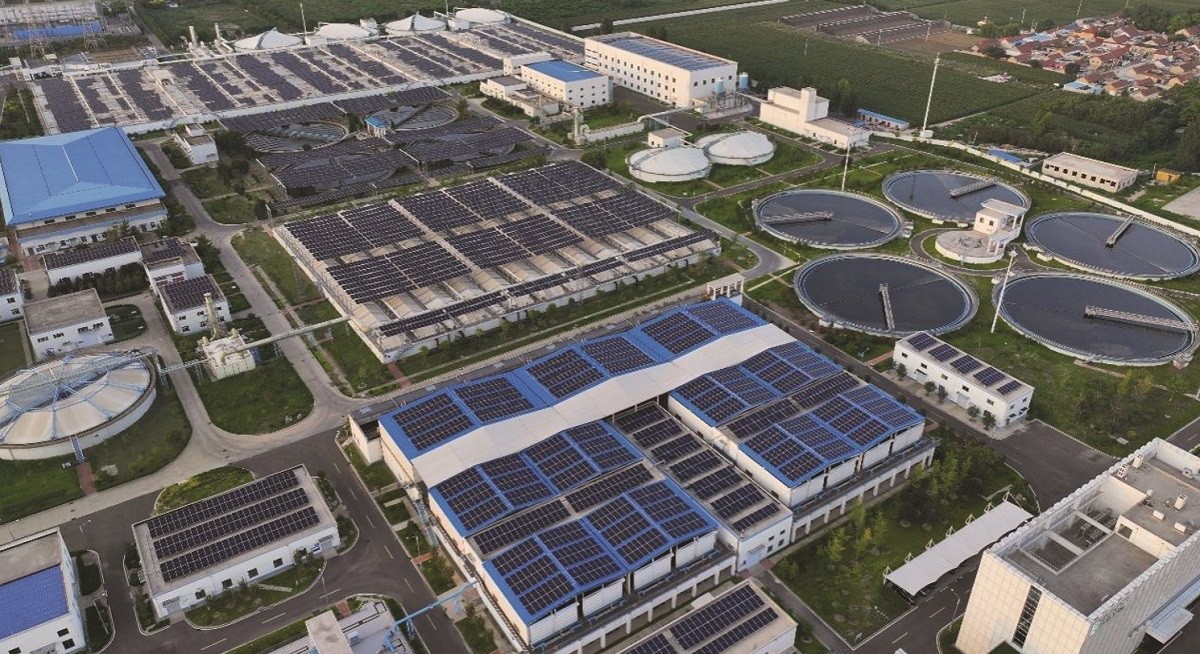
A partial view of the sponge facilities under CEW’s Jiangsu Zhenjiang Sponge City Construction Project / Photo: CEW

Holding ground in a competitive industry


See also: A rejuvenated Singapore market, a reset for The Edge Singapore

mute
China’s water industry, along with the broader environmental protection sector, is highly competitive, with hundreds of players competing for concession projects under tight margins. CEW has anchored its strategy on three key pillars: a full-chain business model, a business expansion in China and overseas markets, and a drive for technological and managerial innovation. Through these strategies, the company actively adapts to industry trends and seizes opportunities in a rapidly evolving policy landscape.  

The company’s business spans the full water cycle — from raw-water protection and water supply to municipal and industrial waste water treatment, reusable water, and river-basin ecological restoration. In recent years, the company has broadened its reach to include agricultural non-point source pollution control and other water-related services. Over more than two decades, CEW has accumulated extensive experience in project investment, planning and design, technological services, engineering construction, and operations management, forming an integrated “invest-design-build-operate” model that ensures quality control, cost optimisation, and value creation. 

“China’s environmental protection industry is shifting from speed to quality,” says Xiong Jianping, CEO of CEW. “The push for high-quality development has raised the bar for all players. Only those that can operate efficiently, innovate continuously and create long-term value will stand out and emerge in this new era.”  

From scale to quality-driven growth  


See also: From momentum to transformation: Building a relevant stock market

As China’s traditional water market becomes increasingly saturated, CEW has pivoted towards improving the project quality and capital efficiency, focusing on “selective growth” and enhancement of operational efficiency.  

Currently, CEW has invested in and operates over 170 projects across 13 provinces, municipalities and autonomous regions in China. These projects have a designed daily water treatment and supply capacity of approximately 7.6 million cubic metres. The total project investment amounts to approximately RMB31.6 billion (US$5.7 billion). The company is also undertaking 13 operation and management projects, which generate stable operation income.  

In recent years, CEW has expanded into overseas markets. Apart from establishing offices and joint ventures in Hong Kong, Singapore, and Germany, the company also secured asset-light projects and service contracts in Mauritius, Abu Dhabi, Egypt and Thailand. By adopting a prudent approach, CEW has accumulated valuable international operational experience, laying the foundation for strategic expansion into overseas markets.

Even so, CEW continues to prioritise its strategic development in China, closely aligning its growth with China’s national initiatives such as the Yangtze River Protection drive and the goals of “Peaking Carbon Emissions and Achieving Carbon Neutrality”. The company also keeps a close eye on opportunities from key regions such as the Beijing-Tianjin-
Hebei Region, Yangtze River Delta, and Guangdong-Hong Kong-Macau Greater Bay Area, as well as urban renewal plans of key markets. CEW is also monitoring high-quality acquisition opportunities in China.  
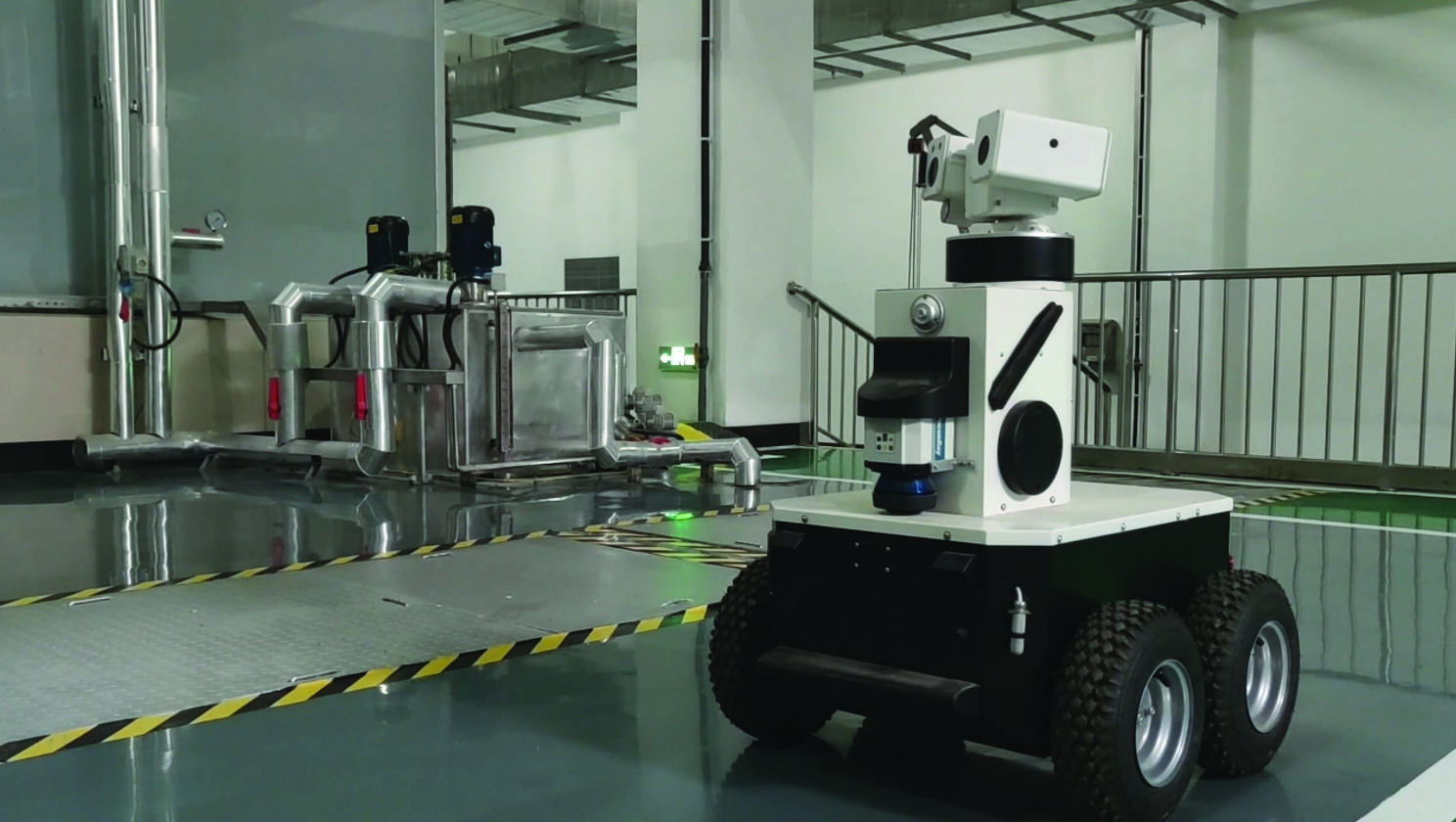
Inspection robots at CEW’s Waste Water Treatment Project / Photo: CEW

Promoting an asset-light model
The transition toward an asset-light business model has become a pillar of CEW’s business evolution. Through EPCO (engineering design-procurement-construction-operation) and EPC (engineering-procurement-construction) models, the company exports engineering, technical and operational know-how — forming a business portfolio that pairs capital-intensive operations with flexible, service-based growth.  

“The asset-light business model allows us to create value with lower capital exposure,” Xiong explains. “By leveraging our experience, technology and management systems, we can pursue more agile and resilient growth.”

CEW has successfully commercialised several proprietary technical processes, including the ozone-catalytic oxidation (EBOAC) technology, creating new revenue streams and expanding its client base, while lessening dependence on asset-heavy business.

Its wholly-owned subsidiary Xuzhou Municipal Engineering Design Institute, a Grade-A engineering design house in China, plays a pivotal role in this transformation. Together with CEW’s internal research and development platforms and a German joint venture, the company has formed an integrated innovation ecosystem covering research, design, consulting and business incubation.  

Efficiency as the new competitive edge

If the past decade for China’s environmental protection industry was driven by scale, the next decade will be shaped by efficiency. CEW has implemented a series of cost reduction and efficiency enhancement initiatives with positive results.  

Several waste water treatment projects have undergone upgrading works that secured higher tariffs, while certain projects in Shandong and Jiangsu provinces have installed solar power facilities to boost green-power usage within the project areas. As of June 2025, CEW had 12 projects equipped with solar power facilities, totalling 20 megawatt (MW) of installed capacity and generating nearly 20 million kWh of renewable electricity annually.  

“From ‘in-plant solar power’ facilities and ‘intelligent water’ system to the ‘dark factory’ pilot programme, we are using digital and intelligent tools to boost our efficiency in operations management,” says Xiong. “In a period of industry adjustments, this is how we sustain — and even enhance — returns.”

The company has also introduced inspection robots, the energy management contract (EMC) model and residual oxygen recovery technology. To date, several projects have achieved cost savings of over 5% through the EMC model and approximately 2% through residual oxygen recovery technology. Over the next three to five years, CEW plans to extend these cost-saving technologies to more projects, further enhancing overall operational efficiency.  

Proactive response to trade receivables pressure

Local governments across China are under fiscal pressure, making trade receivables a common industry challenge. In recent years, CEW has faced considerable challenges in managing its trade receivables and has implemented a range of measures to facilitate collection, ensuring the overall situation remains well controlled.

According to Xiong, the company’s operating cash flow remains positive, supported by a strengthened trade receivables management system. With the goal of ensuring safe and stable project operations and delivering high-quality water environment management services, CEW will work in collaboration with all parties to address the related challenges. 

In January 2025, CEW issued medium-term notes with an issuance size of RMB1.5 billion and an interest rate of 1.78%, setting a record-low interest rate for all the panda bonds with a three-year maturity period issued in the market. 

As of June 30, 2025, CEW’s gearing ratio stood at 61.2% (a relatively low level in the industry), current ratio at 1.47 (a relatively high level in the industry), and total bank deposit balance and cash reached HK$1.87 billion (US$310 million), with HK$5.08 billion in unutilised banking facilities.  

“Our balance sheet remains healthy, ensuring the company’s continued ability to deliver returns to its shareholders and supporting its initiatives in areas such as investment and technological innovation,” says Xiong.  

Over the past few years, CEW has maintained a dividend payout ratio above 30%, yielding around 7%, which is among the highest in its industry — while preserving flexibility for reinvestment.  

Strength through balance 

CEW’s strength lies in maintaining balance and prudence amid constant change. 

“We are not pursuing growth for its own sake,” Xiong notes. “Our priority is to manage capital carefully, strengthen operations, and ensure every project creates sustainable value. In the current environment, resilience is more important than expansion.”

Over the past three years, the company’s return on equity (ROE) has consistently exceeded 8%, even as its stock trades at about half the industry’s average P/E and around 70% of the average P/B, suggesting its fundamentals and resilience are yet to be fully reflected in its valuation.  

According to Xiong, in the next phase, CEW will continue to maintain self-discipline and focus, steadily improve business quality and reduce cost, and strengthen governance practices. In this business, success is measured in decades — not quarters. The company’s pursuit is not only about short-term performance, but also about the ability to navigate cycles and create sustainable value for all its stakeholders.