


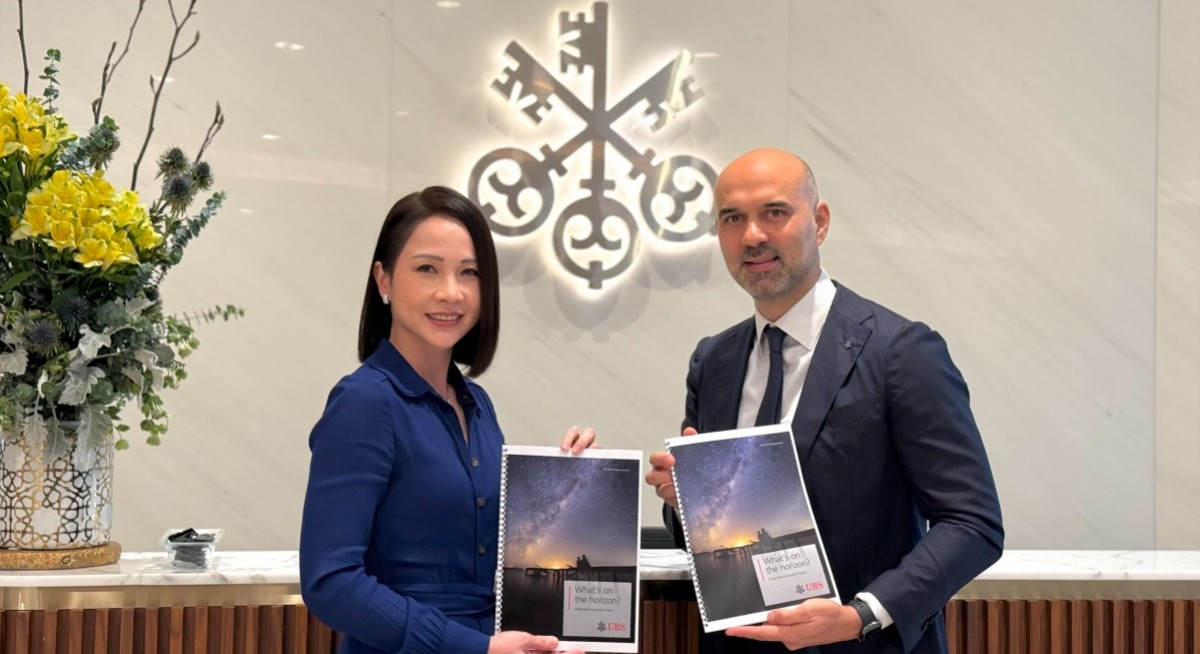


UBS says around one‑third of surveyed families are already actively transferring wealth or decision-making power, while another quarter are in the “active planning” phase.
Conrad Huber, global wealth management head of Indonesia, Japan International, India and NRI (non-resident Indian) at UBS, explains: “The earlier these conversations happen, the smoother the wealth transfer is.”
Specifically looking into the Asia-Pacific region, “more than 40% of the Asia-Pacific multi-generational families are already in the process of transferring wealth or actively planning with their advisor,” says the report.
According to UBS, wealth transfer in Latin America and Asia-Pacific’s next gens look different from more mature Western markets, since much of the wealth has been created comparatively recently, with “certain markets still filled with the first gen”, says Huber.
See also: Trump insists ‘nothing wrong’ with big crypto gains
The survey found this represented through the differing perspectives of global heirs, where 57% of next gens in Asia-Pacific were more likely to associate wealth transfer with a “family milestone” such as the death or divorce, while 45% of next gens in Europe and 57% in North America associated inheritance with responsibility shift instead.
The bank attributes this to the wealth in the West being older, enabling more “institutionalised handovers” embedded in family constitutions, trusts, and family offices. Likewise, UBS expects Asian families to move in the same direction over the coming generations as their governance structures and family offices mature.
As a result, Asian families place stronger reliance on professional advice than their global peers, UBS reports. When seeking guidance on succession planning, they found that 72% of next gen respondents in Asia-Pacific leaned more toward wealth managers and family offices, compared to their counterparts in Europe and Latin America where peer networks play a larger role.
See also: Hong Kong wealth, fund assets reach record US$5.4 tril on inflows
“We see Asian-Pacific families adopting a more structured, deliberate approach to intergenerational transition,” says Young Jin Yee, co-head of global wealth management for Asia-Pacific at UBS.
Contrary to popular belief that next gens want new wealth managers, the report reveals 51% of next gens globally expressed a preference to continue working with the same wealth manager or a different wealth manager from the same institution, with 79% highlighting the experience and expertise of the wealth manager as the top quality that they seek.
Staying with their parents’ relationship manager “ensures continuity”, says Huber. Internally, UBS says they start planning banker succession three to five years ahead, pairing senior and junior advisors and testing for chemistry and trust with the family.
When it comes to choosing a wealth manager, UBS reports 78% of next gens identified networking and global connectivity as the key differentiating factor over financial perks.
Investment behaviour is also seeing a change across generations, as the bank finds that “impact investing is outpacing crypto”.
UBS says that while asset allocation remains dominated by traditional stocks and bonds – of which 79% of next gens are investing in primarily – nearly half are already invested or keen to learn more about impact and sustainable investing. By contrast, only 11% of active investors report exposure to cryptocurrencies.
The report also points out that interest in sustainability and impact is particularly strong among younger and female respondents, with next gens overall expressing fresh interest in philanthropy as well.
To stay ahead of Singapore and the region’s corporate and economic trends, click here for Latest Section
“They always believe that the next generations are not just going to inherit the wealth; they are also inheriting this earth,” comments Young.
The way next gen clients consume information is changing even faster. UBS describes them as “less patient”, wanting instant, digital access to market views and portfolio information.
The bank is responding with platforms such as its “Circle One” app – described by Huber as a “Netflix” for CIO content – and is working on AI‑powered capabilities for faster, more personalised engagement.
Beyond just banking, UBS has gone the extra mile to network with next gens for the past two decades, producing youth programmes that target next gens from as young as 11. These programmes include summer academies and camps that parents use as a neutral introduction to finance for their children, often hosted by the UBS-sponsored, by-invite-only Young Investors Organisation (YIO).
It is through these client retention strategies that UBS hopes to retain their seat hoisting the assets of the world’s ultra-wealthy.




