


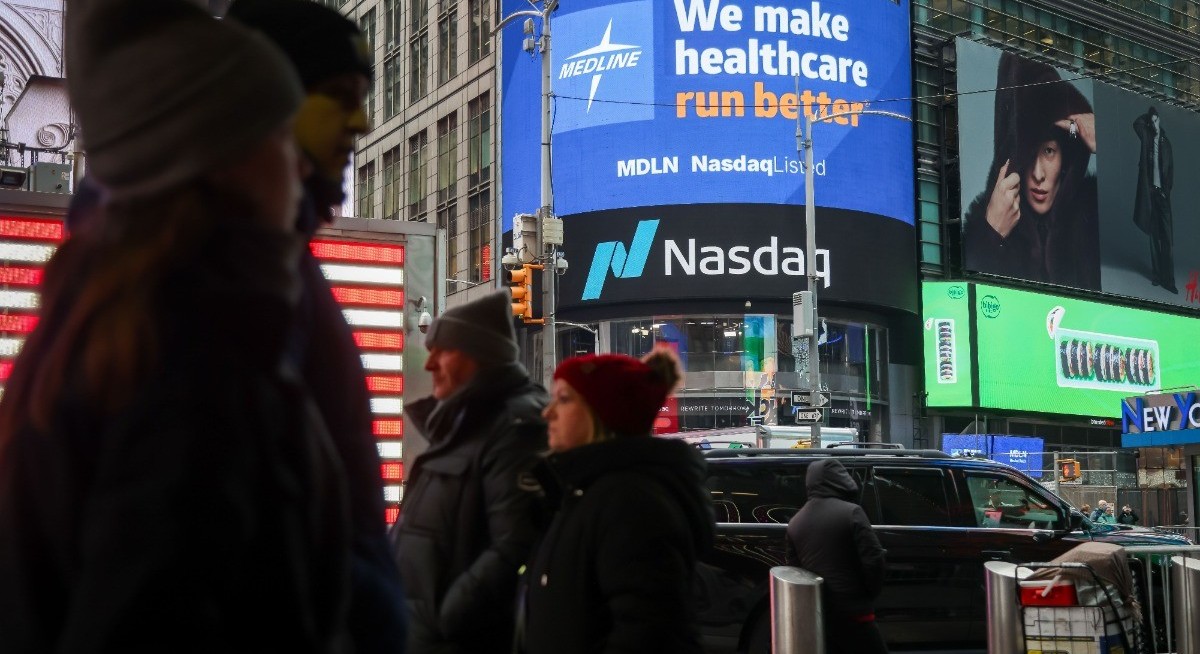


“2025 was a distinctly mixed year for IPOs. The market reopened, but it did so selectively,” said Mike Bellin, PwC’s US IPO leader. Investors prioritised quality over momentum, and the bar for going public — especially for earlier-stage tech and consumer companies — rose meaningfully, he said.
Deals under US$1 billion
Medium-sized offerings delivered relatively weaker performance than larger ones, with shares of US deals between US$500 million and US$1 billion increasing a weighted average of just 5.6%, versus 20% for US$1 billion-plus transactions, the data show.
Data centre campus developer Fermi Inc tapped into enthusiasm over artificial intelligence to raise US$785 million in a listing, even without any revenue or confirmed tenants. Its shares were already well below the IPO price when the company announced Dec 12 that its first investment-grade tenant had cancelled the deal. The stock is now down 58% from the IPO.
See also: Nasdaq 100 sinks 2% as AI jitters roil Wall Street
Navan Inc sank 35% since the AI corporate-travel and expense platform and some of its backers raised US$923 million in its October debut, as prospective investors questioned the unprofitable firm’s near-term margin profile. Despite almost universally bullish analyst coverage, which cited the company’s AI-driven tools and long-term growth potential, its shares have yet to close above the IPO price.
Cloud computing and infrastructure provider CoreWeave Inc showed the market is open for AI names with the right profile, with shares gaining 98% since its US$1.57 billion first-time share sale. The stock swung between gains and losses following the IPO, pressured by concerns over the company’s losses and debt load, but stronger-than-expected earnings eased fears.
The crypto sector has been rocked, and despite being the year’s best-performing large IPO, Circle Internet Group Inc wasn’t entirely immune. The stablecoin issuer’s offering exceeded expectations, with shares soaring 278% during the first week after its US$1.21 billion debut encouraged more issuers in the digital-assets space to go public. Its momentum waned, yet even with bitcoin plunging 28% from its peak, the stock remains up 169% as stablecoins gain acceptance from regulators and financial firms.
See also: US stocks resume decline as tech weakness drags on indices
Other crypto debuts have been less well received. Winklevoss twins-backed exchange Gemini Space Station Inc surged in its first session, only to fall below its IPO price within five days as enthusiasm evaporated. The stock is currently down 63% since its trading debut, and has drawn six buy-equivalent ratings versus four hold-equivalents among the 10 analysts tracked by Bloomberg.
The IPO over US$50 million that performed best for backers isn’t trading at all. Metsera Inc raised US$316.3 million in January and was snapped up by Pfizer Inc before the year was out. The deal to acquire the biotech for US$65.60 a share handsomely rewarded those who bought at the IPO price of US$18 each, even before considering a right to a further payment of up to US$20.65 per share contingent on certain milestones.
Venture Global Inc, the year’s second biggest US listing, suffered the worst debut performance of the year despite the LNG exporter slashing its IPO price range by more than 40% ahead of the IPO. Its stock has tumbled 72% since raising US$1.75 billion in January, and the plunge deepened after the firm lost a dispute with BP plc over selling LNG cargo on the spot market instead of honouring long-term contracts.
The year’s largest IPO, Medline Inc’s US$7.2 billion offering, is delivering the kind of solid numbers investors are willing to pay up for. The medical equipment firm’s product lineup and strong cash flow give it a leg up on competitors, Bloomberg Intelligence healthcare analyst Jonathan Palmer said before the Dec 17 listing, and the stock has climbed 40% since its debut.
“The biggest takeaway is that we’re firmly back in a fundamentals-driven market, investors have become far more selective, and companies must enter the market with a sharper story and stronger operational direction,” PwC’s Bellin said.
Uploaded by Chng Shear Lane




