


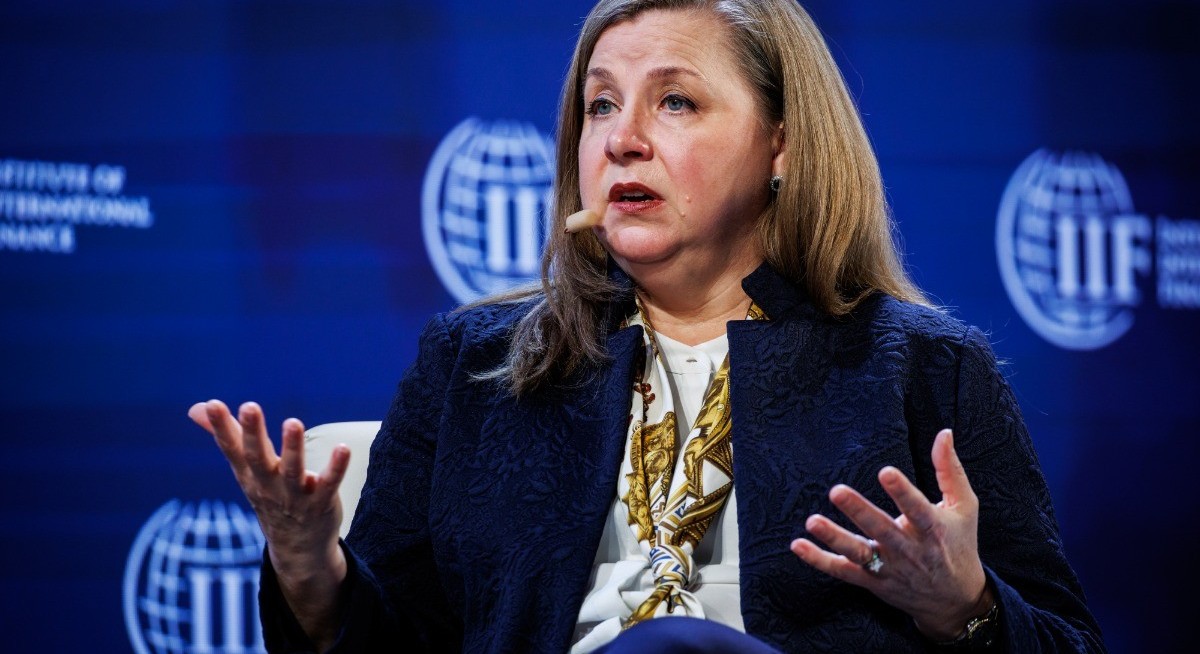


(March 3): The Federal Reserve’s top bank cop said the regulator should weigh how its liquidity rules affects lenders during times of volatility and address weaknesses in the framework.
Michelle Bowman said on Tuesday that although the components of liquidity requirements should work together to mitigate the risk of a bank failure, the framework does not consider how lenders actually perform during stress.
“We need to know whether these tools deliver the promised resilience or whether we have created a framework that looks impressive on paper but fails to capture the vulnerabilities that emerge in times of stress,” Bowman said in prepared remarks for an event in Washington. “It is time to move beyond asking whether banks are compliant and ask whether compliance actually translates into resilience.”
Bowman said a key problem with the current framework is that banks over-allocate high-quality liquid assets to demonstrate that liquidity needs can be met with their own balance sheet resources. She also said traditional Fed sources of liquidity, such as the discount window, are stigmatised.
“Without question, these are challenging issues, but if we’re committed to building a more resilient banking system, we need to identify what is working and what could be improved in our current approach,” Bowman said.
The central bank has previously considered adjustments to its liquidity framework, including looking at requirements that would aim to protect uninsured depositors. That potential Biden-era plan was never finalised.
See also: Yellen sees Fed ‘even more on hold’ given Iran conflict risk
Uploaded by Felyx Teoh




