


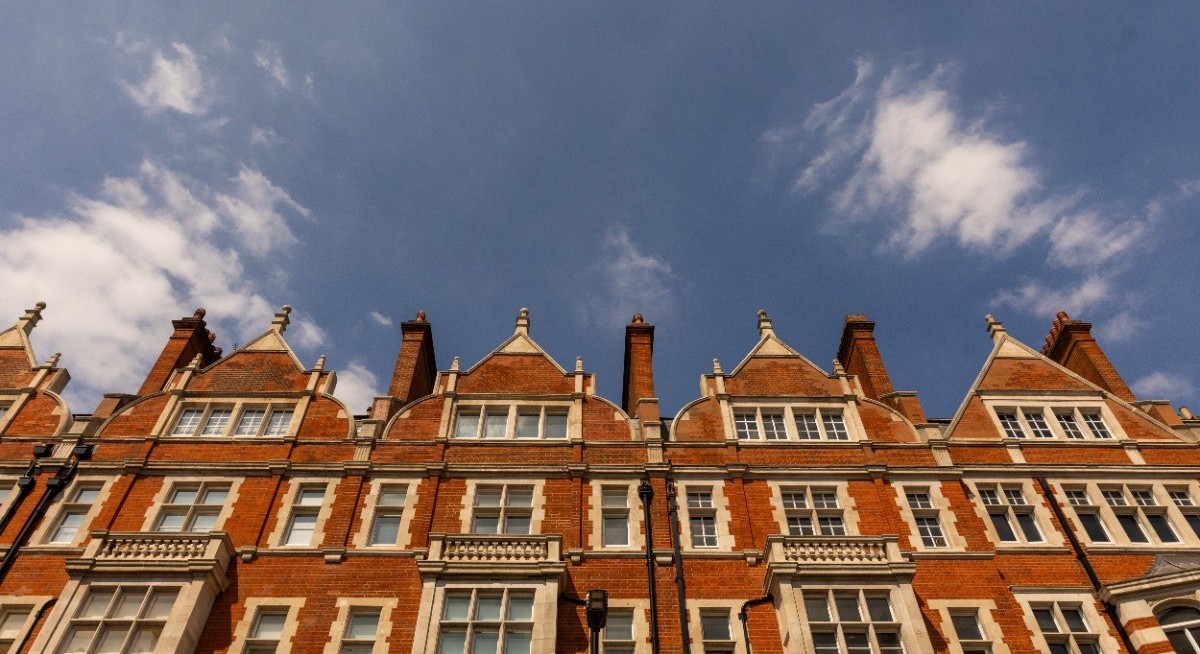


The downturn at the top end of the market was more dramatic than the overall average of a 5% decline in homes changing hands.
The numbers reflect growing speculation that Chancellor of the Exchequer Rachel Reeves will announce a 1% annual levy on the value of properties above £2 million at her budget on Nov 26. Reeves is scrambling to fill a large hole in the public finances without raising income tax or sales taxes on voters that Labour considers “working people”. Policy U-turns and higher borrowing costs have left Reeves billions of pounds in the red against her fiscal rules.

“Rumours of the contents of the forthcoming budget are affecting the market, as we’re seeing a greater hesitation in sales activity, especially at the upper end, which has been the focus of most of the discussion,” said Colleen Babcock, property expert at Rightmove.
See also: UK's 4Q growth disappoints as services stagnate
The figures add to evidence that Labour’s budget is putting pressure on the housing market. Property surveyors warned buyer demand is cooling rapidly in the lead-up to Nov 26 while housebuilder Taylor Wimpey plc said uncertainty about potential tax changes is hurting sales.
Across the market, the average price of a home for sale declined to £364,833 in November, a 1.8% drop from a month ago. The monthly decline was larger than usual during this time of the year as fiscal fears and a decade-high number of homes up for sale put pressure on prices.
Fewer than 1% of all properties in the country would be hit by a mansion tax, if it comes as expected. However, such a levy would have a disproportionate impact on London.
See also: Starmer vows to fight on as PM after second top aide resigns
A recent report from estate agents Knight Frank found that around 60% of properties above the £2 million threshold are in the capital. Almost one in five homes in Kensington and Chelsea fall into this category, with neighbourhoods such as Westminster and Richmond also holding a relatively high proportion of such houses.
London’s once buoyant housing market has become one of the worst performers in the UK over the last year. An increase in stamp duty has affected transactions in the capital while a deteriorating jobs market and flexible-working trends are still prompting families to move away from central London.
While international buyers and investors remain active in London, “the uncertainty created by the budget is forcing some of the other segments to pause their search or hold off from making offers until there is confirmed news”, said Bertie Russell, managing director at Russell Simpson in London.
Uploaded by Arion Yeow




