


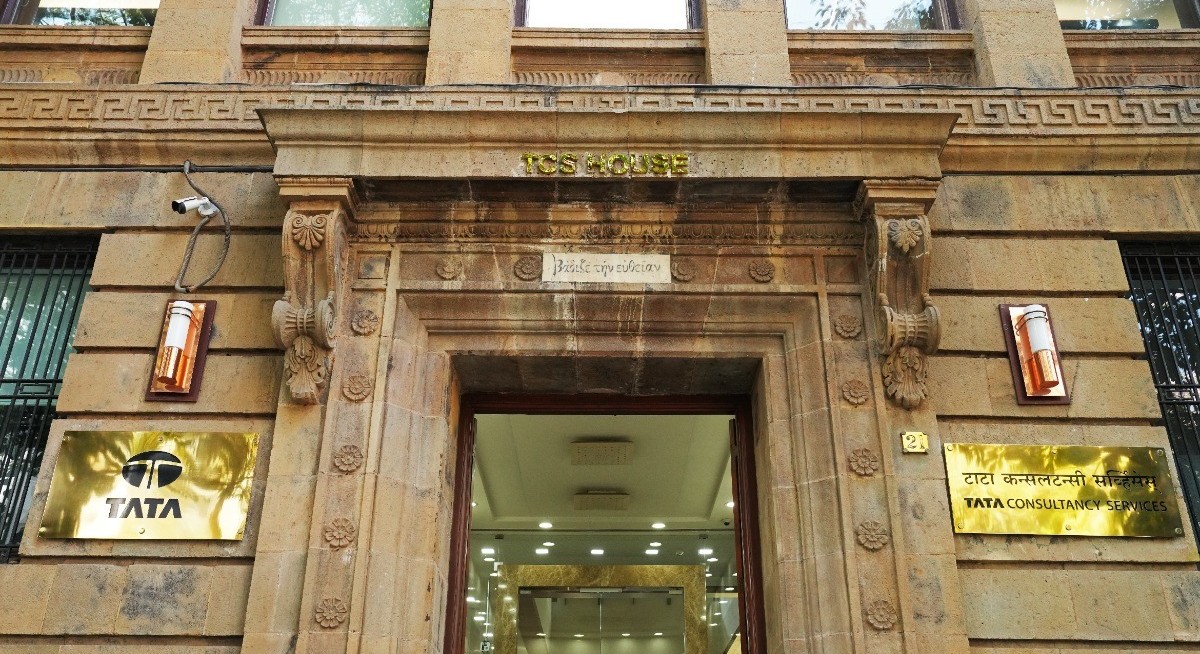


(June 10): The boss of one of India’s largest conglomerates predicted AI agents will replace half the jobs at IT leader Tata Consultancy Services Ltd in future, joining a growing list of company chiefs warning about major disruptions as artificial intelligence matures.
Tata chairman Natarajan Chandrasekaran said TCS, Asia’s biggest software services firm, plans to reduce hiring in coming years as it steps up the use of AI across a company that serves multinationals around the world.
Chandrasekaran’s comments, made at TCS’s shareholders' meeting on Tuesday, were striking because the IT giant is India’s largest private-sector employer, routinely scooping up thousands of graduates annually to join a workforce of some 600,000. He’s among a a growing number of corporate leaders like Standard Chartered Plc’s Bill Winters who’ve warned about job losses stemming from AI adoption in coming years, sparking a global debate around the benefits of artificial intelligence.
“The company will have an equal number of AI workers — we call them AI agents — as there are employees,” Chandrasekaran said. “If the company has half a million employees, the day is not far when the company will have half a million AI agents.”
For decades, India’s US$315 billion software services industry, led by TCS and Infosys Ltd, thrived on labour arbitrage, transforming the country into the world’s back office. AI now threatens to upend that model, clouding career prospects for IT engineers — a dream job for millions of aspirational middle-class households.
Chandrasekaran’s remarks triggered discussion on social media from users about topics from future job security to compensation. The 30-year engineering veteran has consistently talked about the need for Tata to adopt AI and inevitable job losses — though the technology will also create whole new areas of employment.
See also: Meta partners with Reliance on first India AI data center
Rapid technology changes have already begun showing up at TCS, which last year said it planned to cut 12,000 jobs.
“Will it definitely lead to decrease in hiring — absolutely. That does not mean there are no future opportunities,” he said on Tuesday. “Once the transition happens, the AI world will produce so much more opportunities, there will be new talent that will be required.”
Mumbai-headquartered TCS is pivoting towards high-margin businesses. It already has an agreement with OpenAI to build AI data centers, and is nearing additional deals with other tech giants, chief executive officer K Krithivasan told Bloomberg News previously.
See also: SoftBank’s attempt to get US$6 bil OpenAI margin loan stalls — Bloomberg
TCS’s AI revenue crossed an annualised US$2.3 billion in the quarter through March 2026. By 2028 to 2030, all of TCS’ revenue will have an AI component, said Chandrasekaran.
Much of the economy is going through the same adjustment, said former Tech Mahindra Ltd CEO Chander Prakash Gurnani.
“India reacts very differently when it’s in crisis,” Gurnani, who now runs an AI firm, told Bloomberg News. “ The number of institutes which have now adopted AI and data science is far more than it used to be, because they realise placements are not going to be easy.”
Uploaded by Evelyn Chan




