


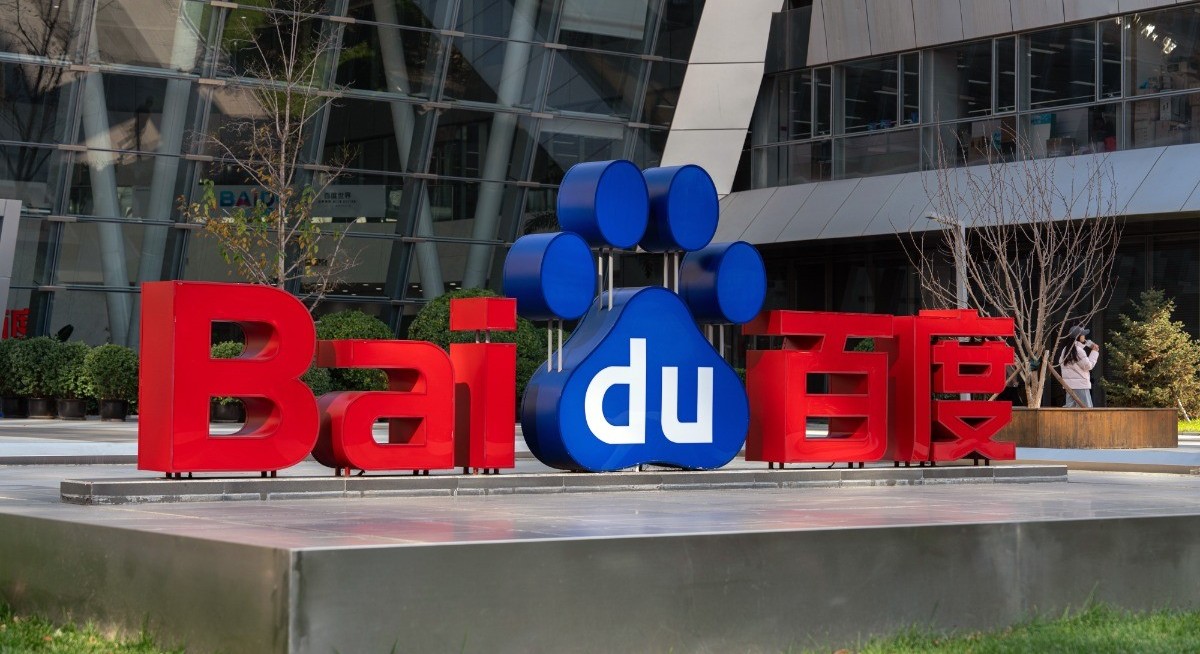


(Feb 26): Baidu Inc reported a drop in its revenue for the third consecutive quarter, underscoring the magnitude of weakness in its core advertising and artificial intelligence (AI) businesses.
Revenue declined 4% to 32.74 billion yuan for the December quarter, compared with an average analyst projection of 32.66 billion yuan.
The lacklustre sales suggested China’s search leader is struggling to find its footing in the white-hot AI race while losing ground in its traditional cash cow of advertising. While the company was among the first in China to roll out a ChatGPT-like chatbot, it has since yielded its leadership to larger rivals including Alibaba Group Holding Ltd and nimble up-and-comers like DeepSeek.
Its flagship mobile app also faces a crisis of irrelevancy among younger users, who prefer social apps like Xiaohongshu for search queries.
Baidu is navigating a difficult transition from an online marketing firm to an AI-first company. It is trying to embed AI into its services from search to maps, mirroring the efforts by Alphabet Inc’s Google to integrate its Gemini model into a wide range of products.

See also: OpenAI says ChatGPT refused to help Chinese influence operations
The Beijing-based company unveiled its latest model in November. While Ernie 5.0 Thinking scored an above-average rating on benchmarking site Artificial Analysis, it was eclipsed by a long list of Chinese open-source models.
The company joined Big Tech rivals in a US$700 million cash giveaway during the holiday period to lure users to its AI apps. But its 500 million yuan outlay fell behind peers like Alibaba and Tencent Holdings Ltd, which leveraged vast social media and online commerce ecosystems to cross-sell services.
"Baidu faces a difficult future financially, with its AI ventures set to lose money for at least the next three years. The potential spinoff and IPO of Baidu’s KunlunXin chip business has no impact on Baidu’s near-term earnings prospects," say analysts Robert Lea and Jasmine Lyu of Bloomberg Intelligence.
See also: Revolut warns of Telegram fraud surge with job scams soaring
Still, Baidu made some early gains from the red-packet campaign. Monthly active users of Baidu’s AI assistant within its search app grew fourfold year-over-year, the company said in a statement on Feb 10.
The AI boom has also helped propel Baidu’s cloud business to outgrow other units and boost the prospects of its semiconductor arm.
Baidu’s chip unit, Kunlunxin, has hired banks for an initial public offering in Hong Kong as investors seek local alternatives to Nvidia Corp chips amid escalating geopolitical tensions. Baidu itself is considering upgrading its Hong Kong listing to primary status to hedge against unfavourable US policies, Bloomberg News has reported.
Like many Chinese firms, Baidu is trying to chase future growth in overseas markets, faced with a prolonged economic slowdown at home. It has expanded its robotaxi operations to the Middle East and Europe, accelerating an international push that could yield profit sooner than generative AI.
The internet giant earlier this month announced plans for its first dividend alongside a US$5 billion, three-year stock buyback program to boost shareholder returns.
Uploaded by Felyx Teoh




