


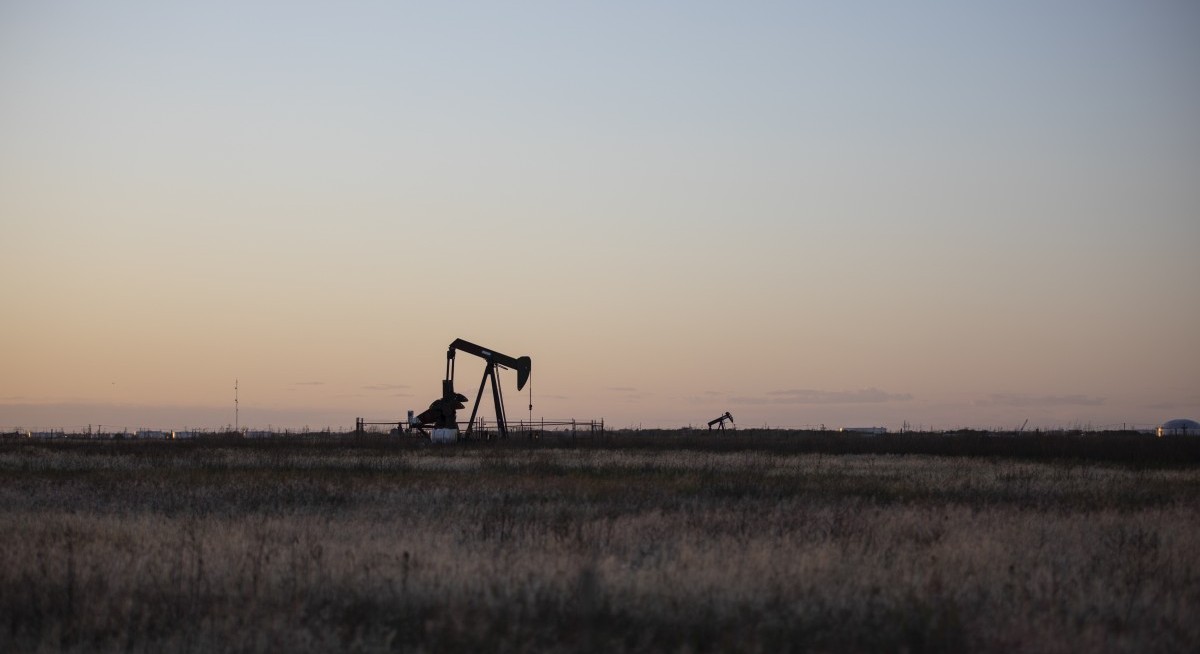


(April 3) : Oil rallied above US$110 a barrel after US President Donald Trump vowed an escalation in the war in Iran over the coming weeks, a move that could prolong disruptions to energy flows through the vital Strait of Hormuz.
West Texas Intermediate surged 11%, while the global Brent benchmark settled near US$109. Europe’s diesel futures benchmark climbed above US$200 a barrel for the first time since 2022. And Dated Brent, the world’s most important price for real-world oil barrels, surged to an 18-year high.
The gains followed Trump’s rare primetime address to the nation, where he cast the war as a success. The president said the US would hit Iran hard over the next two to three weeks, and that Hormuz would open “naturally” after the conflict ends, without offering details or a clear timeline. French President Emmanuel Macron said it would be unrealistic to use military means to reopen the strait.
Without a resumption of flows through Hormuz, there’s little sign that pressure on oil markets will abate. WTI prices have roughly doubled since the start of the year.
The US leader’s unexpectedly hawkish tone helped to push WTI’s prompt spread — the difference between its two nearest contracts — to more than US$16 a barrel at one point Thursday, the widest premium on record. The move was likely fueled by a rapid unwinding of bearish bets on a quick end to the war and expectations of tighter US supplies as overseas buyers rush for American crude, according to traders.
“The market was not positioned for this,” said Scott Shelton, an energy specialist at TC ICAP. Investors “expected de-escalation talk and got the exact opposite.”
See also: First LNG ship to attempt Strait of Hormuz exit not carrying cargo — data
Prices eased off of intraday highs after Iranian state media reported that the Islamic Republic is drafting a protocol with Oman to monitor traffic through the strait. Yuri Ushakov, an aide to Russian leader Vladimir Putin, told a state-run publication that Hormuz is open for the nation’s shipping.
The United Arab Emirates, meanwhile, is appealing to the United Nations to authorize a range of measures, including force, to get oil and gas flowing through the strait.
While there’s been a heavy focus on crude prices, markets for refined fuels have been trading even higher. European diesel’s jump on Thursday is the latest surge that underscores the potential inflationary hit to the global economy. Some cargoes have been sailing thousands of miles as buyers in different regions rush to scoop up available supplies.
See also: China tells private refiners to keep up fuel output at all costs — Bloomberg
“Nothing in Trump’s speech alters the underlying market reality: the strait has effectively been closed for a month, and flows remain materially constrained with at least several weeks of disruption still likely, if not more,” said Robert Rennie, head of commodity research at Westpac Banking Corp.
Oil fell in the build-up to Trump’s address on expectations of talk of a ceasefire, while wider markets rallied. In the speech, he said military operations by the US-Israeli alliance will soon escalate and he again threatened attacks on Iranian oil facilities and “every one of their electric-generating plants.”
The Islamic Republic continued attacks across the Persian Gulf on Thursday and showed little appetite to start talks.
“As market inventory buffers erode, the physical tightness seen thus far in Asia begins to cascade globally,” said Dan Ghali, a commodity strategist at TD Securities. “This suggests that, without a resumption of flows, benchmark crude and product pricing will face increasing upward pressure in the coming weeks and months until pricing forces further demand destruction.”
Oil futures won’t trade on Friday due to the Easter holiday weekend, creating a longer-than-usual weekend period without price movements.
Three tankers broadcasting Omani ownership appeared to enter the Strait by hugging their home country’s coastline. Traders are closely monitoring the status of vessel traffic through the waterway.
uploaded by Isabelle Francis




