


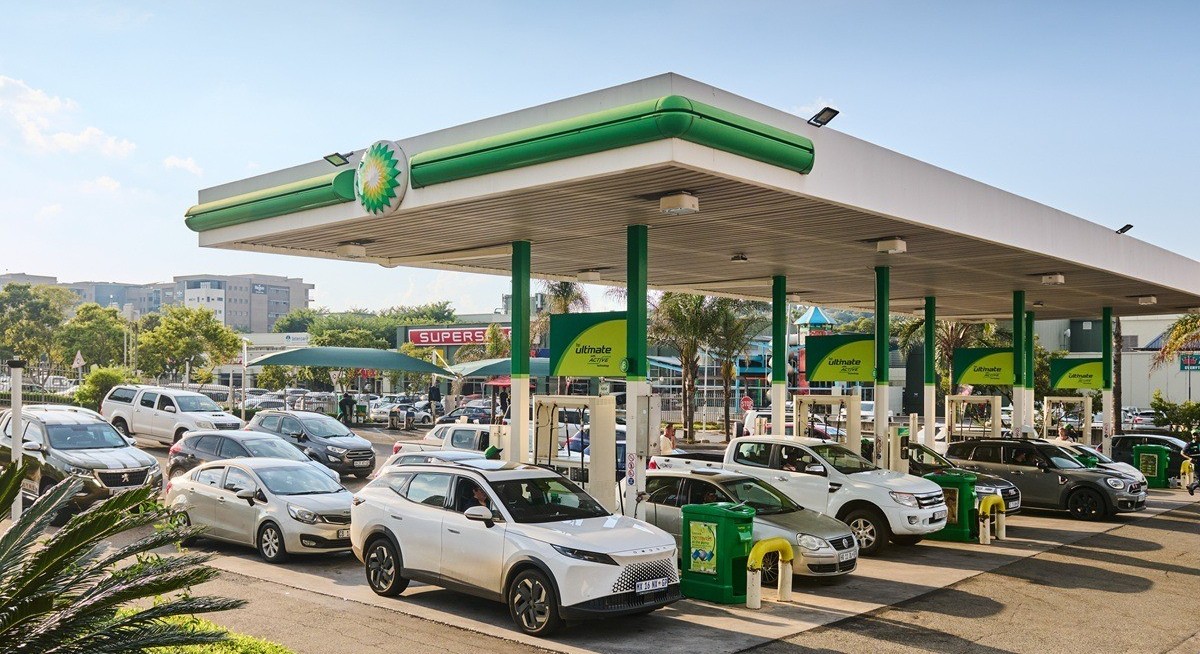


(April 27): BP Plc, long the laggard among oil supermajors, is emerging as the sector’s top stock during the Iran war as it reaps “exceptional” trading profits and avoids the scale of production outages hurting rivals like Exxon Mobil Corp.
The windfall comes at a crucial time for London-based BP and its new chief executive officer Meg O’Neill, the company’s fourth leader in six years. BP shares are the sector’s worst performing since a 2020 strategy to invest heavily in low-carbon energy projects and phase out fossil fuels failed to pay off, causing debt to spiral.
Exxon, the standout energy performer of the last six years, is being hit hardest by the crisis. About a fifth of its global production, mainly from Qatar and the United Arab Emirates, is trapped behind the Strait of Hormuz while a massive liquefied natural gas complex Exxon holds a stake in was damaged by Iranian missiles and could take years to repair.
While crude prices have surged more than 45% to above US$100 a barrel during the eight-week conflict, the shares of big oil companies have failed to keep pace. That’s because oil futures show a steep decline in the coming months as investors expect the strait to eventually reopen.
BP shares are up about 20% since the war began Feb 28, while Exxon’s have declined about 2%.

See also: Goldman hikes oil forecasts again as ‘Hormuz shock’ builds
BP reports earnings Tuesday, followed by French major TotalEnergies SE Wednesday and Exxon and Chevron Corp Friday. Shell Plc reports May 7.
Higher oil and gas prices caused by the war have benefitted the supermajor oil companies, but the gains are uneven. Exxon has about five times as much production affected by the war in the Persian Gulf than Chevron, according to Raymond James. Europe’s majors have much larger trading divisions than their US rivals, giving them greater scope to benefit from the price volatility caused by the war.
BP’s stock has performed better than peers in part because it was cheaper to begin with — meaning it had more to gain from US$100-a-barrel crude relative to its rivals. After suspending its share buyback earlier this year, analysts expect the company to use the cash infusion to pay down debt more aggressively, giving it more financial flexibility to grow oil and gas exploration and production in the future.
See also: Vietnam buys more LNG as temperatures set to rise above average
BP noted in a filing this month that it expected its trading results to be “exceptional“ while Shell and Total have also indicated elevated profits.
By contrast Exxon and Chevron are more risk-averse when it comes to trading, typically using derivatives to mitigate price volatility once cargoes have been shipped.
That strategy mean the two US companies will take mark-to-market losses of nearly US$7 billion in the first quarter, though they expect these so-called “timing effects” to fully unwind over the coming quarters once customers receive the cargoes.
“You have a market that’s under-supplied with crude, and so normalised prices will be higher for longer,” said James West, an energy analyst at Melius Research. While this should benefit the sector long-term, in the short-term there are differences between the stocks, he said.
“Exxon has some production stuck in the strait, while BP benefits from a new CEO and the chance that there could be a turnaround story,” West said.
BP’s new strategy to focus once again on fossil fuels is gathering momentum. The company won Trump administration approval in March for its first new Gulf of Mexico project since the deadly 2010 Deepwater Horizon disaster and bought stakes in offshore blocks in Namibia as it expands into one of the world’s top exploration hotspots.
O’Neill, who spent two-decades of her career at Exxon, is expected to prioritise rebuilding BP’s balance sheet over reinstituting share buybacks, which were suspended earlier this year.
To stay ahead of Singapore and the region’s corporate and economic trends, click here for Latest Section
“The best strategy in the current environment is to simply pass-through all additional cash flow in the current environment to debt reduction, rather than seek to restart the buyback later this year,” RBC Capital Markets lead global integrated energy analyst Biraj Borkhataria wrote in a note.
Chevron may increase its buyback 25% to US$3.8 billion this quarter ahead of further hikes later this year, according to Jason Gabelman, an analyst at TD Cowen. The company has flagged production outages totalling as much as 6% in the first quarter, though much of that is from a fire at its giant Tengiz operation in Kazakhstan that was unrelated to the war.
Exxon is expected to maintain its US$5 billion-a-quarter share buyback, the highest in the group. The Texas oil giant may have the most exposure to the Middle East, but it also has a greater ability to offset losses with oil and gas growth in the Permian Basin and Guyana, as well as in other businesses such as petrochemicals and helium.
O’Neill will need to demonstrate similar resilience if BP is to maintain its outperformance over the longer term, according to Joshua Stone, UBS head of European Energy Equity Research.
“A higher for longer price environment is undoubtedly positive” for BP, he wrote in a note. “But there is still work to regain investor confidence.”
Uploaded by Liza Shireen Koshy




