


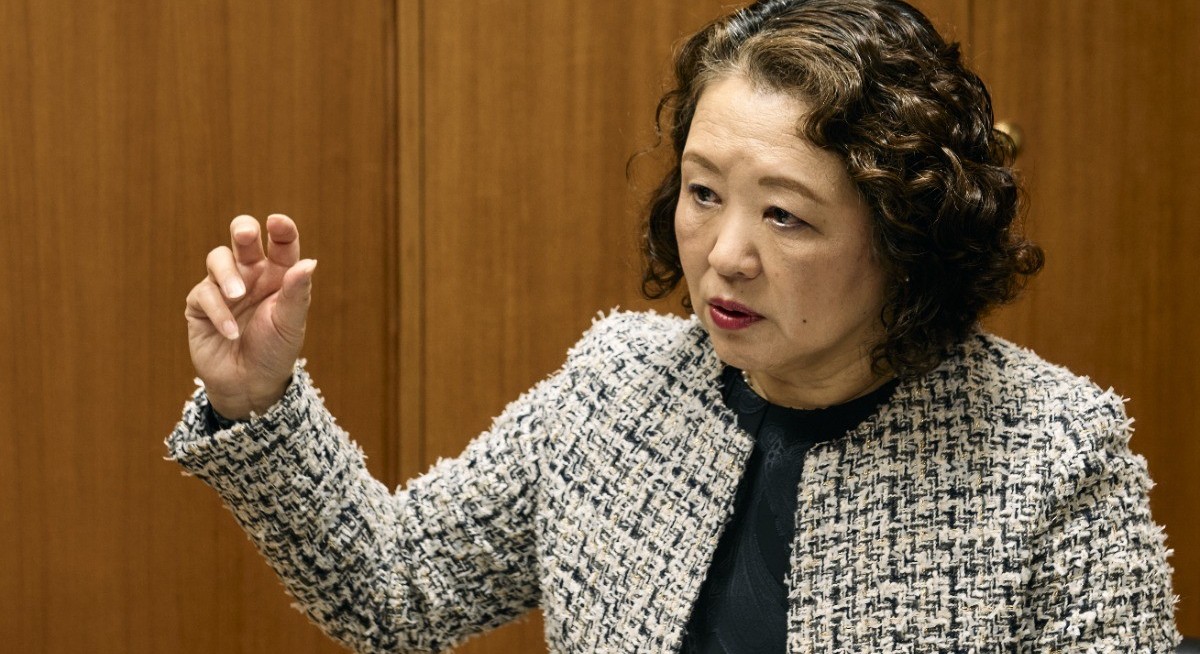


(Jan 21): The leader of Japan’s largest labour union group urged Prime Minister Sanae Takaichi’s government to stabilise currencies and prices, as inflation continues to hit households and workers.
“The yen’s current weakness is fuelling import-driven inflation, and prices are rising above the 2% target set by the government and the Bank of Japan (BOJ),” Tomoko Yoshino, chair of Japan’s largest labour union federation Rengo, said in a group interview on Wednesday. “We will press the government to pursue macroeconomic policies that help stabilise prices and exchange rates,” she said.
Speaking of ongoing wage negotiations culminating in March, Yoshino said so far the outlook is good for achieving their target of at least 5% pay gains. Rengo represents around seven million workers, or roughly 10% of Japan’s labour force.
Yoshino’s remarks come as import-driven inflation continues to drag on real wage growth, thwarting one of Rengo’s key objectives in this year’s wage negotiations. While union members’ nominal pay rose solidly last year, households have seen little improvement in purchasing power with high levels of inflation persisting. In November, Japan’s real wages fell from the previous year for the 11th consecutive month.
The yen is currently hovering around 158 per dollar, near its weakest level in 18 months, even after the central bank took a tightening step in December.

See also: Japan’s biggest nuclear plant restarts second time after hiccup
In ongoing negotiations with companies, Rengo is seeking a wage increase of at least 5%, keeping the same target as last year. The group achieved average gains of 5.25% in the previous round, the largest jump in three decades. Yoshino also emphasised that this year’s talks are a critical juncture for establishing a norm of 1% real wage growth.
Yoshino said she is confident of achieving the target, adding that “the negotiating environment is not unfavourable.”
Several companies have already begun signalling their pay offers, providing early momentum. Nomura Securities Co and Daiwa Securities Group are considering wage increases of around 5%, while Shimizu Corp has indicated potential hikes of 6.3% or more, according to the Nikkei newspaper.
See also: Japan defence stocks surge on Takaichi’s national security plans
That positive outlook broadly aligns with the view of BOJ governor Kazuo Ueda. Following last month’s rate hike decision, Ueda expressed optimism about the wage outlook, citing corporate announcements and regional branch manager hearings.
“I think there is a high likelihood that solid wage increases will be implemented next year as well,” he said.
The outcome of the wage negotiations will be a key factor in determining the timing of the BOJ’s next rate increase. Market participants largely expect the central bank to raise rates roughly every six months, with the next move likely in July, according to a recent Bloomberg survey.
Economists expect a gain of 5% in this year’s talks, an earlier survey showed.
“One reason wages remained stagnant for so long was the economic downturn, but there was also a lingering deflationary mindset,” Yoshino said. “We believe it’s important for society as a whole to share a clear resolve to break away from that deflationary view.”
Uploaded by Evelyn Chan




