




The measures were discussed at a meeting of senior officials chaired by Prime Minister Anutin Charnvirakul, which also weighed tightening reporting requirements for physical gold trading.
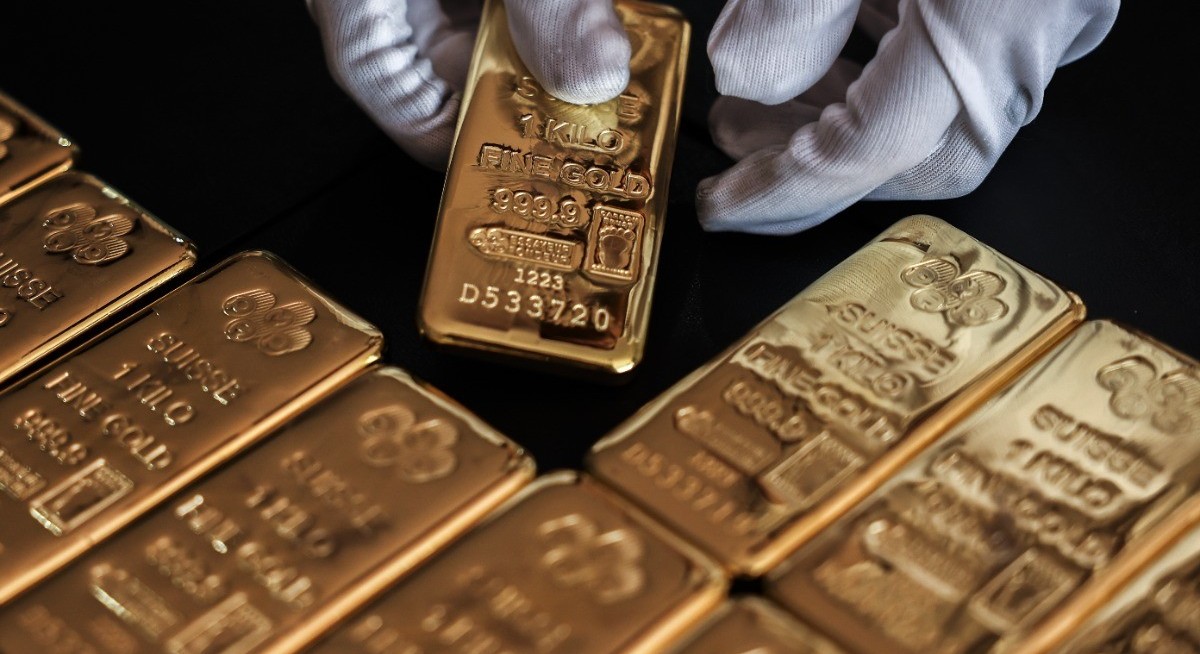
Thai authorities have threatened to impose a punitive tax and have stepped up scrutiny of bullion trading as the baht hovers near its highest level since 2021, undermining exports and weighing on tourism revenue. The baht gained 8% last year, making it the second-best performer in Asia, as the broad dollar weakness and gold’s 65% scorching rally to a series of record helped mask weak domestic economic factors.

Daily gold trading volumes in Thailand have at times exceeded those on the local stock exchange, prompting traders to transact unusually large amounts of US dollars. At peak periods, gold-related deals accounted for 50%–60% of Thailand’s total dollar trading, according to the central bank.
See also: Gold proxies gain on soaring prices, but ‘be prudent, earnings matter!’ reminds OCBC
“The baht’s recent abnormal strength is partly driven by gold transactions conducted in the local currency, particularly trading via Thai-baht-based applications,” Vitai said.
To ease the pressure on the baht, leading Thai bullion dealers, who account for about 90% of the market, have proposed to upgrade their online trading platforms to facilitate buying and selling in dollars within the next three to six months.
Total gold trading was estimated at around 10 trillion baht last year, doubling from 2024, according to Kritcharat Hirunyasiri, chairman of MTS Gold Group. Thailand remained a net gold importer last year, bringing in 180 tons while exporting 110 tons, the Thai Gold Traders Association estimates.
Uploaded by Evelyn Chan




