




(May 18): China has agreed to buy at least US$17 billion ($21.78 billion) of agricultural products annually through 2028 and establish boards of trade and investment, the US said after the leaders of the two nations held a major summit in Beijing.
The two boards form “the cornerstone of this historic agreement” between US President Donald Trump and Chinese leader Xi Jinping as they work to “optimise” trade between the world’s largest economies, the White House said in a fact sheet on Sunday.
One day earlier, the Commerce Ministry in Beijing said both sides would adopt a series of measures, including mutually cutting levies on certain products. China didn’t provide specifics, adding that teams from the two countries were still negotiating details. The White House release was silent on tariffs.
The statements provided a glimpse of the direction that China-US ties are heading over the next few months, though they were also notable for one key issue that neither mentioned: Taiwan. Xi warned Trump during the summit that it could trigger a “highly dangerous situation” if Washington mishandles ties with the island democracy Beijing has vowed to bring under its control. That blunt language makes a potential US$14 billion (RM55.68 billion) US weapons sale to Taipei a major test for the Republican leader.
Still, Xi cast his meeting with Trump as “historic” and said it opened a fresh era in ties. Beijing unveiled the phrase “constructive strategic stability” to describe that chapter — in its fact sheet, the White House also embraced that wording, though with qualifications. The two leaders agreed “the United States and China should build a constructive relationship of strategic stability on the basis of fairness and reciprocity”, the US said.
Trade truce
See also: Thai growth unexpectedly jumps as officials warn of war’s impact
The agreement over the phrase suggests that, for now, the one-year trade truce Xi and Trump agreed to in South Korea last fall remains in place, although neither side has said as much.
“It’s notable that the White House explicitly accepted the formulation, and it probably helps in some minor way to cement the trade truce,” said Christopher Beddor, the deputy China research director of Gavekal Dragonomics. “It certainly marks a departure from the administration’s stance during parts of last year, when officials suggested that they wanted a major change in the US-China trade relationship, not stability.”
The Xi-Trump meeting appears to pave the way for lower-level officials to fill in the details of what the White House and Commerce Ministry laid out. The US leader has invited his Chinese counterpart to the White House in late September, and they have another two potential meetings this year: at the Apec summit in Shenzhen this November and then at the Group of 20 summit in Miami the next month.
See also: Xi hails ‘landmark’ Trump summit, says many outcomes achieved
The trade board would allow the two sides to manage issues “across non-sensitive goods”, according to the White House — wording that leaves open a sweeping swath of products, including access to the high-end chips and related equipment the two sides have sparred over.
Treasury Secretary Scott Bessent has said one idea for the trade council was to remove tariffs on about US$30 billion worth of commerce “for non-critical areas and areas that we are not trying to reshore”. He also said investment would go towards “non-sensitive areas”.
Farming collaboration
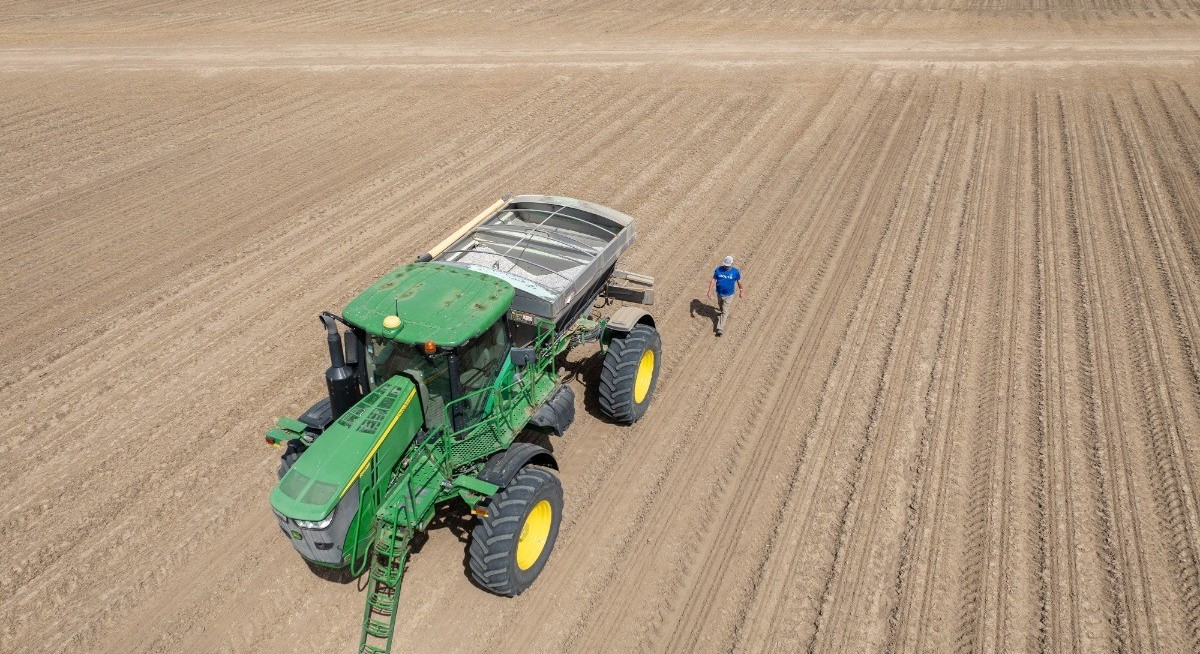
One area of collaboration is agriculture. The US$17 billion in annual Chinese purchases of agricultural products would be in addition to soybean-purchase commitments made last fall, the White House said. China met an initial pledge to buy 12 million metric tons of soy after Trump’s meeting with Xi last year, and the US said at the time that Beijing would buy 25 million tons annually for three years.

Previous efforts by Trump to get China to purchase more US goods have fallen short, raising questions about whether the latest pledges will be fulfilled. China failed to meet its commitments under an agreement Trump brokered in 2020 to buy an extra US$200 billion in US agricultural, energy and manufactured products over a two-year period. The pandemic complicated that effort, but critics said the targets were unrealistic.
China has recently turned to cheaper Brazilian soybeans after meeting the initial purchasing volume from the US agreed to in last year’s trade truce between Washington and Beijing.
To stay ahead of Singapore and the region’s corporate and economic trends, click here for Latest Section
While the fresh disclosure will likely be welcomed by farmers, who were seeking more clarity from the latest summit, the amount may not be large enough to satisfy growers looking to turn around tough economic conditions — most recently caused by a surge in fertiliser costs linked to the conflict in Iran.
“Historically speaking, a US$17 billion non-soybean ag commitment from China would move the US back at or near post-Phase One trade values,” said No Bull Ag analyst Susan Stroud, referring to the agreement reached during Trump’s first term.

China typically brings in billions of farm goods. US agricultural exports to China in 2024 were valued at US$24 billion, including US$12 billion in soybeans, US$1.4 billion in cotton and US$1.2 billion in sorghum, according to US Department of Agriculture data. Overall shipments to China fell to US$8.3 billion in 2025 after the trade dispute ratcheted up.
In the wake of the summit, China restored market access for US beef by renewing the expired listings of more than 400 beef facilities. China will also work with US regulators to restore imports of American poultry. Beijing let hundreds of import authorisations for US meat exporters lapse amid Trump’s tariff war.
The outcome shows that both countries “can find solutions to the problems through dialogue and cooperation”, said China’s Commerce Ministry.
Uploaded by Tham Yek Lee




