




(June 8): German factory orders fell more than expected in April, adding to concerns that Europe’s largest economy could contract in the second quarter due to the Iran war and the surge in energy costs.
Demand decreased 3.8% from a month earlier, following a downwardly revised 4.5% gain in March, the statistics office said Monday. That’s worse than the 2% decline predicted in a Bloomberg survey.
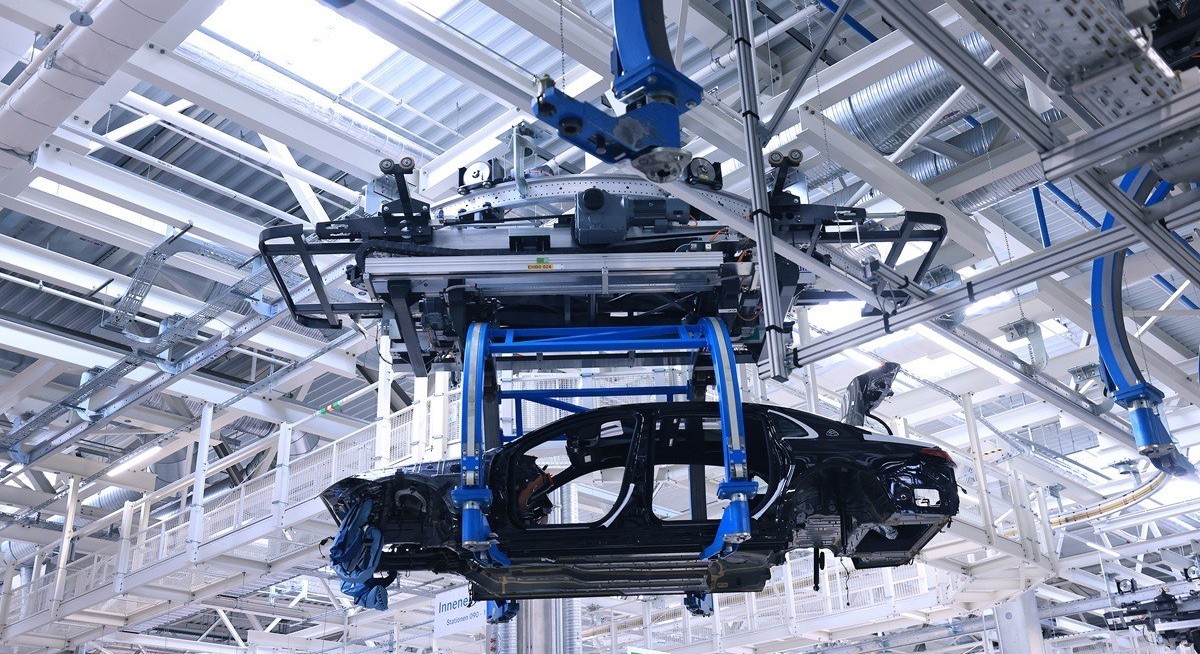
The drop was due to the automotive industry and electrical equipment, with machinery and equipment also weighing on the result. Large-scale orders had no impact, Destatis said. A less volatile three-month reading showed a 3.1% fall.
Germany’s economy had a good start to the year with 0.3% growth between January and March, but the conflict in the Middle East is increasingly weighing on consumers and corporates. Business activity shrank in April and May, raising the prospect of a contraction in the second quarter.
“There are growing signs that rising energy and commodity prices, as well as significantly heightened geopolitical uncertainty, are increasingly leading to lower demand, particularly for capital goods,” the economy ministry said in a statement. “Against the backdrop of rising costs and uncertainties, as well as growing supply chain bottlenecks, industrial activity is likely to continue to show only modest growth in the coming months.”

See also: IMF chief warns world isn’t ready for shocks that are piling up
Joerg Kraemer, chief economist at Commerzbank, took a similar pessimistic view, warning that the German economy will probably “contract slightly” in the second quarter.
Further headwinds come from ongoing trade tensions between the US and the European Union, and likely increases in interest rates, with the European Central Bank widely expected to raise borrowing costs later this week.
While some support is still expected from hundreds of billions of euros in stimulus flowing to German defence and infrastructure, those effects are increasingly being overshadowed by factors like the war. Data last week also showed that the €500 billion (US$577 billion) infrastructure fund had a sluggish start.
See also: Eurozone economy shrank at start of year due to Ireland contraction
The dire outlook is also a blow to Chancellor Friedrich Merz, who predicted that 2026 would be a “year of growth” and is facing party unrest due to his plummeting popularity.
Uploaded by Liza Shireen Koshy




