


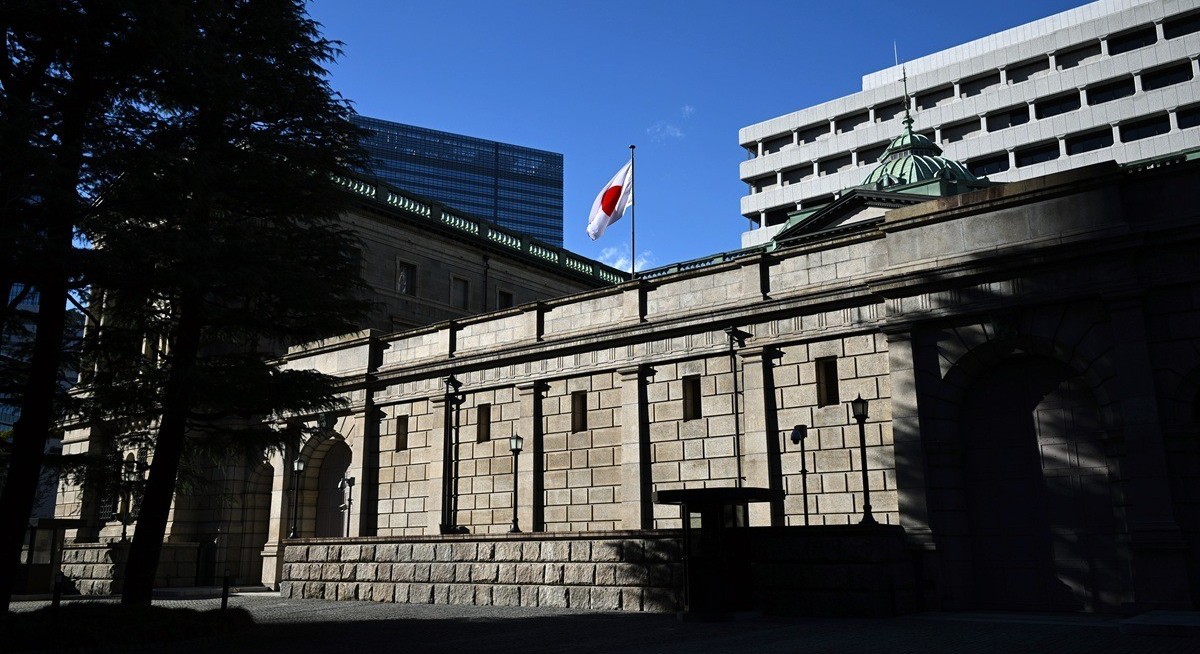


(Feb 13): One of the Bank of Japan’s (BOJ) most hawkish members indicated that conditions for the central bank’s next interest rate hike could be in place by spring, a comment that is likely to fuel further speculation of an early move.
“It is quite possible that, as early as this spring, the price stability target of 2% can be judged to have been achieved if it’s confirmed with a high certainty that wage growth this year will be in line with the target for the third consecutive year,” Tamura said Friday in a speech at a business conference in Yokohama.
While it’s unclear if the rest of the BOJ board shares Tamura’s view, his remarks suggest that governor Kazuo Ueda will probably face increased opposition if he decides to stand pat at the next policy meetings through April. Tamura’s remarks will also likely feed growing market speculation that the next rate hike will come in April, or as early as next month.
Even before Prime Minister Sanae Takaichi’s landslide election victory on Sunday, expectations of a big win for the pro-stimulus premier had generated speculation that the yen would stay at weak levels and keep upward pressure on inflation. Since the BOJ’s last policy gathering in January, BOJ watchers at Barclays and BNP Paribas have shifted their rate calls to April.
Traders see around a 75% chance of the BOJ raising its benchmark rate by April, according to overnight swaps, jumping from around 40% a month ago.
Tamura defined price stability as a state in which economic agents including households and firms can make decisions regarding consumption and investment without needing to factor in fluctuations in the general level of price growth. That’s largely in line with the common understanding among central bankers. Former Federal Reserve chair Alan Greenspan is known for repeatedly making similar remarks.
See also: China eases duties on EU dairy in latest sign of trade thaw
“However, many households are struggling with the increased cost of living, and many firms are struggling with higher input prices, and I personally do not think it can be claimed that Japan is experiencing price stability as defined,” Tamura said.
Japan’s key inflation measure quickened to 3.1% last year, staying above BOJ’s target for four straight years, the longest stretch since 1992. Takaichi’s biggest election win in the post-war era is partly based on her pledge to alleviate the pain of the cost-of-living crunch.
Ensuring that the trend in wage growth remains strong is a key concern both for the premier and the BOJ. The central bank sees wage gains as a critical part of generating a stable inflation cycle that feeds into higher consumption and economic growth. The nation’s biggest union federation typically releases its results of annual pay negotiations in mid-March, a key data point that has been followed by central bank moves in the past.
See also: US, Japan zero in on energy and chips for US$550 bil fund — Bloomberg
Tamura, a former executive at Sumitomo Mitsui Financial Group, is known as a frequent dissenter calling for faster policy normalisation, together with Hajime Takata. At January’s meeting, Takata gave the stand-pat decision a hawkish feel by voting for a back-to-back rate hike.
In Tamura’s view, the limited impact on the economy from the hikes towards the current 0.75% rate shows that the bank still has a long way to go before it reaches a level that is neither restrictive nor stimulative for the economy.
“There is still considerable distance to the neutral interest rate level,” Tamura said. “In other words, even if the bank raises its policy interest rate, financial conditions will remain accommodative.”
The BOJ delivers its next policy decision on March 19, the same day Takaichi is scheduled to meet US President Donald Trump in the US.
Uploaded by Liza Shireen Koshy




