


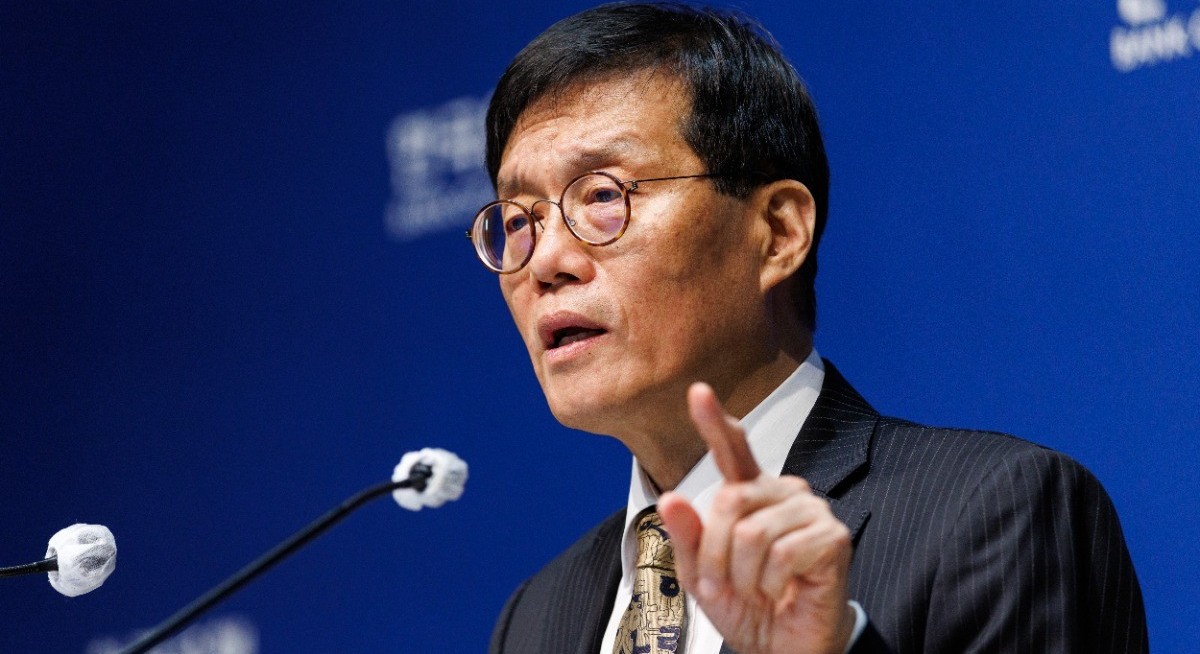


His comments come after authorities last week rolled out measures to bolster the currency as it edged toward the psychologically crucial 1,500 per dollar level. The won has been under pressure from foreign capital outflows and growing concerns that additional US investments — part of tariff negotiations — could put even more strain on the exchange rate.
On the first trading day of the year, the won traded around 1,440 per dollar, little changed from its previous close. Korean government bond futures ticked higher.

Rhee stressed that the US$20 billion figure outlined in the US trade deal is a maximum annual cap, and added that any investment decision will be made only to the extent that it doesn’t disrupt the FX market’s stability
See also: Australia and EU enter final stretch in long-running trade talks
South Korea and the US finalised the trade agreement in October after months of negotiations. The deal included a 15% across-the-board tariff on Korean goods and a US$350 billion investment pledge to the US, with annual investments limited to US$20 billion.
“The Bank of Korea, together with the government, will not support any decisions that could compromise foreign-exchange market stability in the process,” Rhee said.
Economic outlook
See also: BYD joins wave of firms challenging Trump’s tariffs in US court
Turning to the economy, the governor said South Korea’s inflation is likely to remain relatively stable at around 2.1% in the new year, but warned that upward pressures could build if the won continues to weaken.
The economy is expected to grow around 1.8% this year, though the outlook remains uncertain amid shifts in the global trade environment, the semiconductor cycle and the pace of the domestic demand recovery.
Excluding the IT sector — which is set to lead growth this year — overall growth would remain at around 1.4%, Rhee said, warning of widening disparities across industries. “Such a K-shaped recovery can hardly be seen as sustainable or fully inclusive,” he added.
With the BOK set to make its next rate decision later this month, Rhee said future policy decisions will be carefully calibrated based on a broad range of indicators. He also pledged to communicate policy intentions clearly and in a timely manner.
“In periods of heightened uncertainty, proactive communication of the monetary policy stance may — when it diverges from market expectations — temporarily amplify interest rate volatility and provoke criticism from economic agents who incur losses as a result,” Rhee said.
“Rather than attempting to minimise such risks by following market expectations, a central bank has a crucial responsibility to clearly and promptly explain the direction of monetary policy as policy conditions evolve,” he added.
Alex Loo, a strategist at TD Securities in Singapore, said he remains bullish on the won and sees the dollar-won pair moving toward 1,325 by the first half of the year as the South Korean economy benefits from global AI-related spending and additional fiscal support in 2026.
To stay ahead of Singapore and the region’s corporate and economic trends, click here for Latest Section
“We expect South Korea to actively intervene to deter the one-way depreciation trend in Korea’s won seen in the fourth quarter,” Loo said.
The BOK kept its benchmark rate unchanged at 2.5% in late November, and is expected to leave rates on hold again when the board next decides on policy on Jan 15.
Uploaded by Felyx Teoh




