




(May 15): The US and Iran appear to have put talks about Tehran’s stockpile of highly enriched uranium on the back-burner in an effort to end their war, with both sides suggesting it’s a subject for a later date.
Iran said it had “come to the conclusion with the Americans” to postpone the topic until the later stages of negotiations, calling it “very complicated”, Foreign Minister Abbas Araghchi said at a press conference in India on Friday.
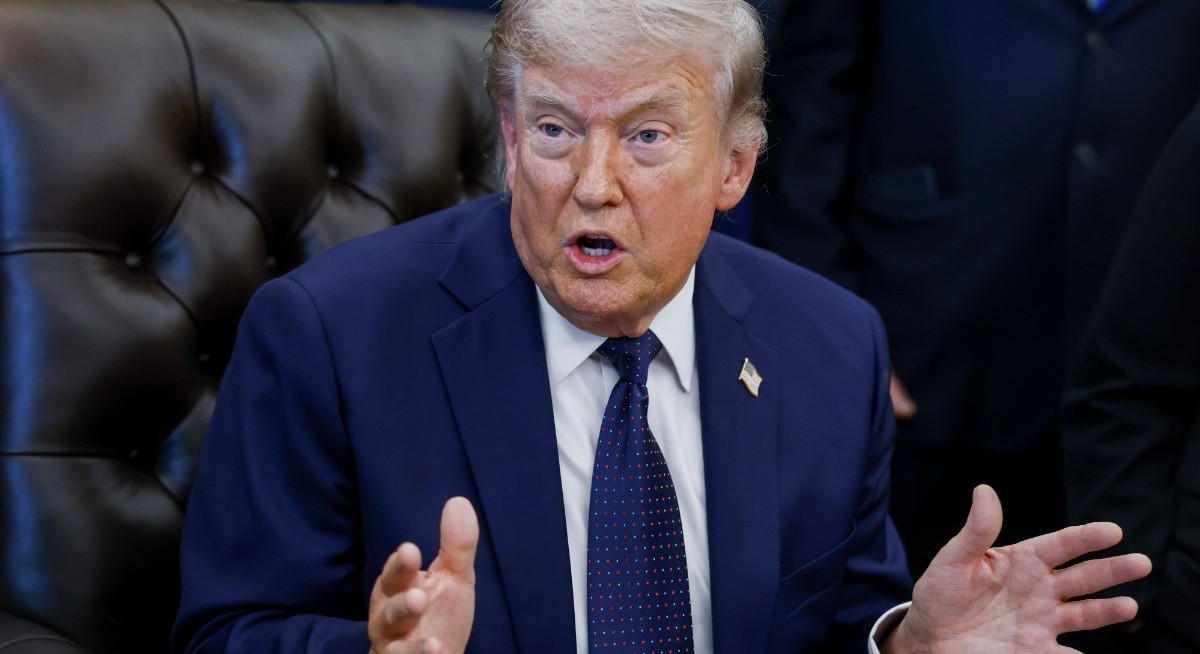
Speaking on Air Force One, US President Donald Trump said he’s willing to send US forces to remove Iran’s uranium “at the right time”, suggesting it’s unlikely to be an imminent operation.
Iran’s highly enriched uranium, which has been in an unknown location since a shorter US and Israeli attack on the country in June, remains one of many unresolved issues preventing a final agreement to end the 11-week war. Tehran’s broader nuclear programme and the reopening of the vital Strait of Hormuz waterway are others, and there’s no indication that an understanding is near.
Trump said earlier in Beijing that he and Chinese President Xi Jinping share common goals for resolving the conflict, namely that Iran shouldn’t possess a nuclear weapon and that Hormuz should reopen. He stopped short of asking Xi to lean on Iran to ease traffic through the passage, but predicted the Chinese leader would do so.
China, Iran’s largest oil buyer and a key diplomatic partner, has taken a cautious approach to the conflict, with the foreign ministry saying disputes over Iran’s nuclear programme should be resolved through dialog. Beijing also has large investments in a number of Gulf countries, and so far hasn’t expended much diplomatic energy in a bid to find a resolution.
See also: Trump says he held off bombing Iran after Gulf states appealed
Brent crude traded 2.4% higher at above US$108 (RM424.24) per barrel, extending its gains since the start of the war to 50%. Stocks and bonds fell as high energy costs stoked fears of global inflation.
Iran maintains a degree of control over the Strait of Hormuz, through which a fifth of the world’s oil and liquefied natural gas flowed before the conflict began in late February. Its semi-official Fars news agency said on Thursday that it would allow Chinese vessels to transit Hormuz following discussions with Beijing.
The US, which has blockaded Iran’s ports to prevent the export of oil, said it has stopped 72 commercial ships from sailing through Hormuz since it established its own restrictions on the strait.
See also: Japan, South Korea bolster ties amid Iran, China uncertainty
Reopening the waterway has been a key objective for the US since a ceasefire between Washington and Tehran took hold about five weeks ago. But Iran insists it keep an oversight of traffic through the maritime chokepoint as part of any peace agreement, raising concerns of a prolonged disruption in energy exports from the Persian Gulf.
“The Strait of Hormuz will return to focus, with negative consequences for risk assets, now that the tailwind setup of the Trump-Xi summit is behind us. Given that recent equity gains have been both spectacular and concentrated, the pullbacks will likely be dramatic in headline numbers,” says Mark Cudmore, executive editor for Markets Live at Bloomberg’s Strategists.
Trump oscillated in Beijing between threatening further attacks on Iran, including in a Truth Social post between meetings with Xi, and insisting the US does not rely on energy imports through the Strait of Hormuz.
“They need the Strait more than we need it open, we don’t, we don’t need it at all,” Trump said in an interview with Fox News. The US is “doing it to help Israel and to help Saudi Arabia” and other Gulf allies. “It also helps China,” he said.
The United Arab Emirates (UAE) said it will double its capacity to export crude oil bypassing the Strait of Hormuz by next year, as it seeks to reduce reliance on the shipping chokepoint.
The Gulf country shocked the oil world last month with its departure from the Saudi-dominated Opec cartel. The move came after the UAE tried to persuade neighboring states including Saudi Arabia and Qatar to take part in a coordinated military response to Iran’s strikes and was left frustrated when they refused, according to people familiar with the matter.
There are signs of an uptick in maritime traffic through Hormuz, though it remains unclear if ships navigating through the waterway would be allowed by the US Navy to leave the area. Vitol Group is offering Iraqi Basrah crude to customers in a sign that some shipments may have successfully made it out of the Gulf, people with knowledge of the matter said, who asked not to be identified as negotiations are private.
Uploaded by Felyx Teoh




