


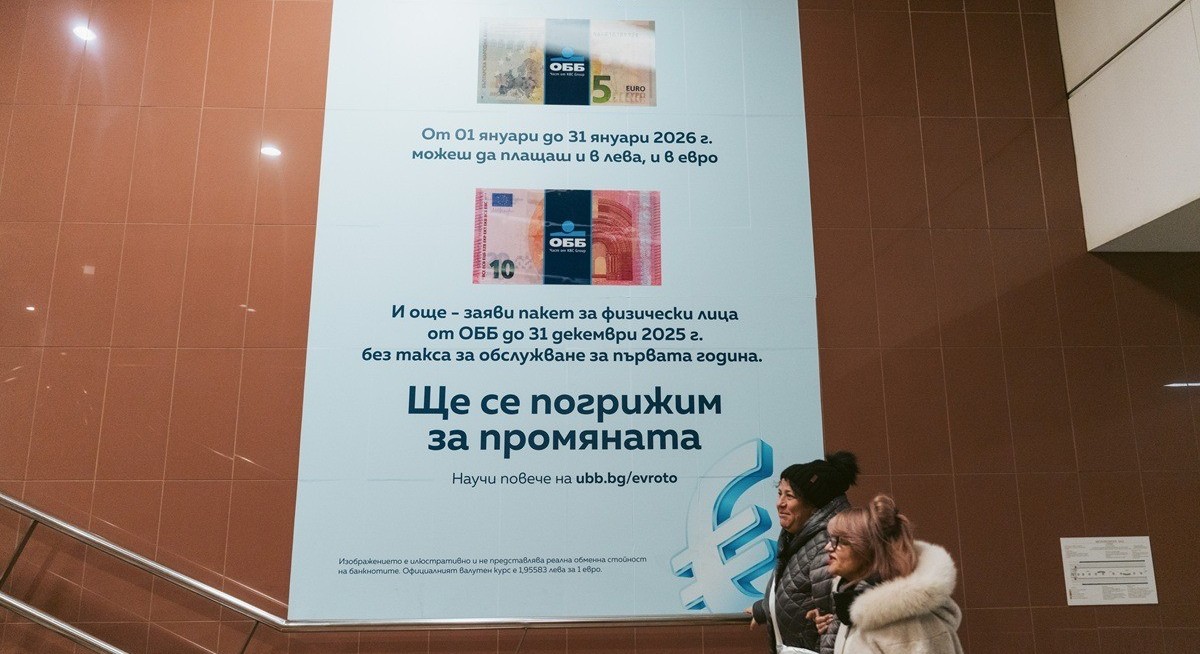


As we step into 2026, we proudly welcome Bulgaria to the euro family!
Our sincere thanks to the Bulgarian National Bank for its dedicated work and commitment in preparing for the adoption of the euro.
Wishing everyone a happy and successful New Year! pic.twitter.com/N2Xc2aJ5F5 — Christine Lagarde (@Lagarde) Dec 31, 2025
The Balkan nation of 6.4 million people just completed its economic transformation and became the latest country to join the world’s biggest currency zone. It also means the ECB Governing Council increases to 27 policymakers, with Bulgarian Central Bank governor Dimitar Radev joining the ranks of rate setters.
“The euro isn’t merely an economic decision, it isn’t just a currency,” Radev said in a video address. “It is a sign of belonging — that your place is not on the periphery, but within a space of shared rules, trust, and responsibility. A sign that the effort you have made has been recognized and accepted.”
The Bulgarian governor has already been attending ECB gatherings as an observer, and his initial meetings as a full member are unlikely to see much disagreement over monetary policy. The ECB hasn’t cut rates since June, and markets and most economists predict that the period of rate cuts is now over.
See also: Russia and Ukraine envoys set for new US-led talks in Geneva
Policymakers expect rates to remain at 2% for some time unless there are significant new developments, and a few have hinted that the next move — albeit far off — will be a hike.
Bulgaria’s switch was meant to crown almost two decades of integration after the country joined the European Union and then finally its Schengen customs-free travel zone. But popular anger over corruption, cronyism and persistent failure to get a viable government has cast a pall over progress.
Indeed, the country has no up-to-date budget, and almost half the population wants to keep the lev.
See also: Trump privately weighed quitting trade pact he signed with Canada, Mexico — Bloomberg
“The euro will bring benefits for the Bulgarian people making payments and travel easier,” European Commission president Ursula von der Leyen said in a statement. “It will bring new opportunities for Bulgarian businesses, allowing them to seize better the advantages of our common single market.”
In celebration of Bulgaria’s accession to the euro area, the ECB will illuminate its headquarters for the first 11 days of 2026. The light display, projected onto the riverside façade, symbolises “the integration and unity of 358 million Europeans who use the euro as their currency,” the Frankfurt-based central bank said.
Uploaded by Liza Shireen Koshy




