


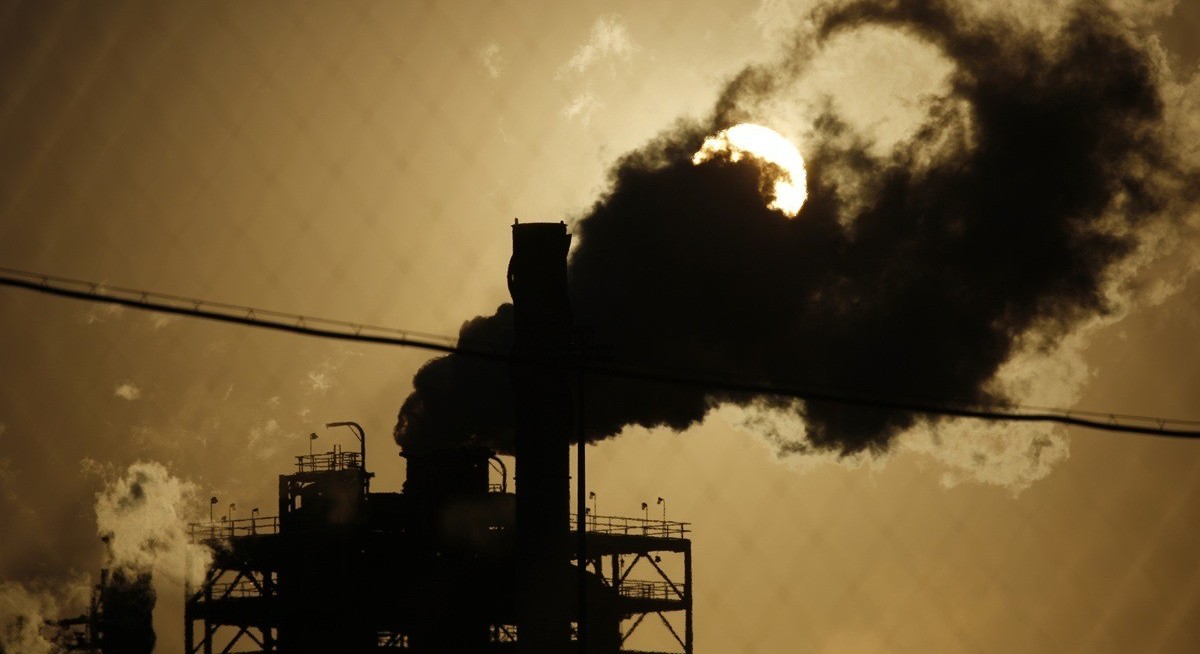


(May 22): Shell Plc is set for a showdown with climate activists urging top Dutch judges to impose legally enforceable emissions cuts on Europe’s biggest oil and gas company to keep its net zero 2050 target on track.
The Netherlands branch of Friends of the Earth, Milieudefensie, will try to convince the country’s Supreme Court that the London-based company has a duty to reduce its CO2 emissions to 45% below 2019 levels by 2030. Shell disagrees, arguing that lawmakers, and not courts, should have the power to set limits on a company.
Friday’s hearing follows a long legal battle testing whether the judiciary has a mandate to deliver climate justice to individual companies, a question that has recently faced mounting scrutiny. RWE AG, one of Europe’s top carbon emitters, last year won dismissal of a case brought by a Peruvian farmer seeking to hold the German utility liable for climate impacts. Meanwhile, rival TotalEnergies SE has been targeted in a Paris lawsuit aiming to block new fossil fuel exploration and production projects, with a ruling still pending.
Amid the years of legal wrangling, the geopolitical backdrop has shifted, as the push for companies to reach net zero becomes a frequent target of derision from US President Donald Trump. The war on Iran, and its disruption of tankers through the Strait of Hormuz, has also highlighted the fragility of global energy supply chains.
The new mood could potentially boost Shell’s earlier arguments that any obligations imposed on it would be ineffective because they overlook security of supply, as well as affordability, and that other producers could still meet demand, albeit at a higher cost to consumers.
Milieudefensie, however, believes there is indeed a solid legal basis for a judicial intervention. “We think we have a good chance of winning,” spokesperson Winnie Oussoren told reporters on Tuesday. “The days of non-commitment are over.”
See also: From billions to trillions: Can platforms unlock climate finance at scale in Asia?
Both sides have already tasted victory and defeat in lower courts. In a landmark 2021 ruling, a Dutch tribunal initially already ordered Shell to make the 45% cut. The judgement was considered pivotal for the global fossil fuel industry, because for the first time, an oil and gas giant was held accountable for emissions coming from their own operations, as well as indirect emissions that come from their consumers. The vast majority of Shell’s emissions, around 90%, fall into that category.
But the ruling was overturned three years later. While an appeals court agreed that Shell, historically one of the Netherlands’ most important companies before moving its headquarters to London in 2022, was obliged to reduce its emissions, the judges were unable to determine a precise percentage for reduction targets.
This was a legal win for Shell chief executive officer Wael Sawan, who said that “a court ruling would not reduce overall customer demand for products such as petrol and diesel for cars, or for gas to heat and power homes and businesses.”
See also: After ESG fatigue, the real climate battleground is who bears the risk
Milieudefensie disagreed with the appeals judges, arguing that an obligation without a target is too non-binding, and took the case all the way to the nation’s top court.
The Supreme Court will now assess whether the law has been applied correctly and whether the factual parts of the ruling were adequately and intelligibly explained. No new facts or evidence will be introduced.
An advisory opinion is set to be delivered later this year, with a formal decision expected early 2027.
However, the case may not end there. It’s still possible that the top judges will ask the European Union’s Court of Justice to weigh in or refer the case back to a court of appeal.
Uploaded by Liza Shireen Koshy




