


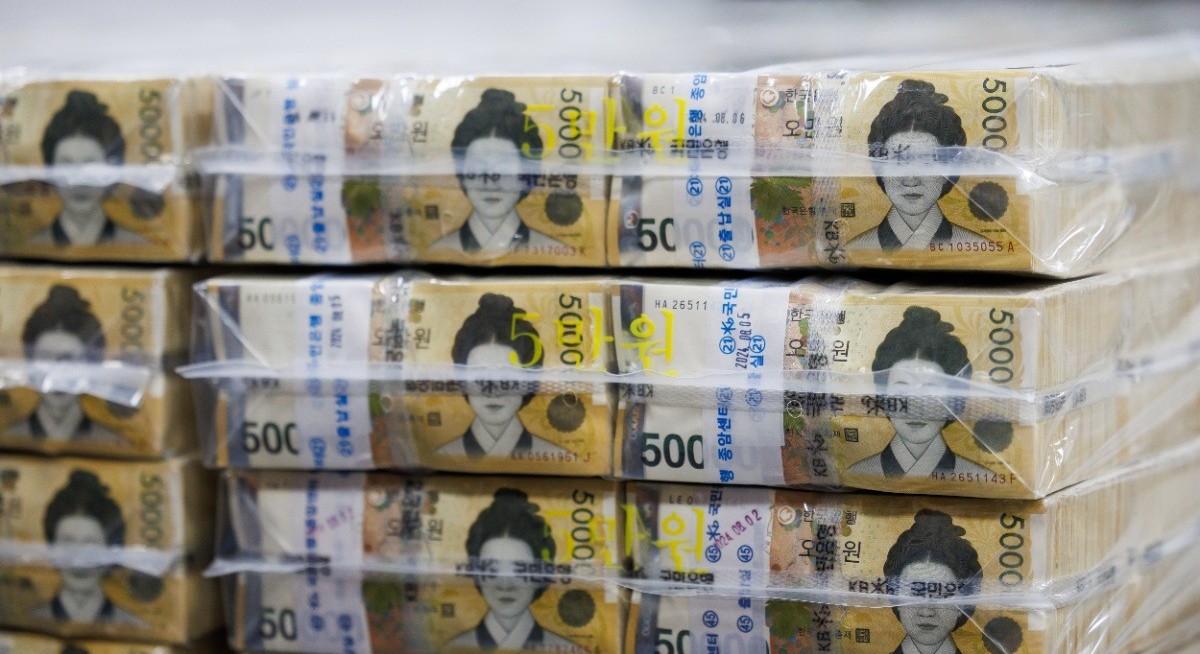


The won jumped as much as 1.4% to 1,460.00 per dollar following the text message. That was after it had weakened to 1,484.65 on Tuesday (Dec 23), nearing the lowest level since the global financial crisis in 2009.
The latest actions are “a forceful smoothing operation”, which is “leaving no doubt that the authorities are seeking to normalise supply imbalances”, said Wee Khoon Chong, a market strategist at BNY in Hong Kong. “The dislocation of the won is getting stretched and normalisation is overdue.”
Korea will introduce a new tax incentive plan to encourage the return of overseas investment capital to domestic markets and it will support major brokerages to introduce FX forward products designed for retail investors, the finance ministry said.
The National Pension Service is implementing new strategic FX hedging rather than rolling over existing hedge-related transactions in response to the won’s decline, according to a central bank official. This is being interpreted by the market as meaning the hedging will be more consistent than its tactical hedging.
See also: Yen carry trade a ‘ticking time bomb’, warns BCA Research
The raft of new measures to bolster the won comes after the currency neared the psychologically important 1,500 per dollar level — a threshold breached only during the global financial crisis and the Asian currency meltdown in 1997. The NPS has already been said to have sold dollars to bolster the won while brokerages have decided to halt new marketing of overseas equities.
The won has still weakened almost 8% since the end of June, the worst-performing Asian currency over the period.
The selloff has been fuelled by an exodus of foreign capital despite the boom in semiconductor exports, as well as local investors’ outbound investments and fears that increased investments in the US — planned as part of tariff negotiations — could put pressure on Korea’s currency market.
See also: Alphabet taps sterling, Swiss franc markets in mega debt deal
Korea isn’t alone in seeking to bolster its currency this week.
The yen has strengthened this week after Japanese Finance Minister Satsuki Katayama said the country has a “free hand” to take bold action against currency moves that are not in line with its fundamentals. Katayama’s comments came amid renewed speculation that her ministry might intervene directly in the currency market.
Uploaded by Arion Yeow




