


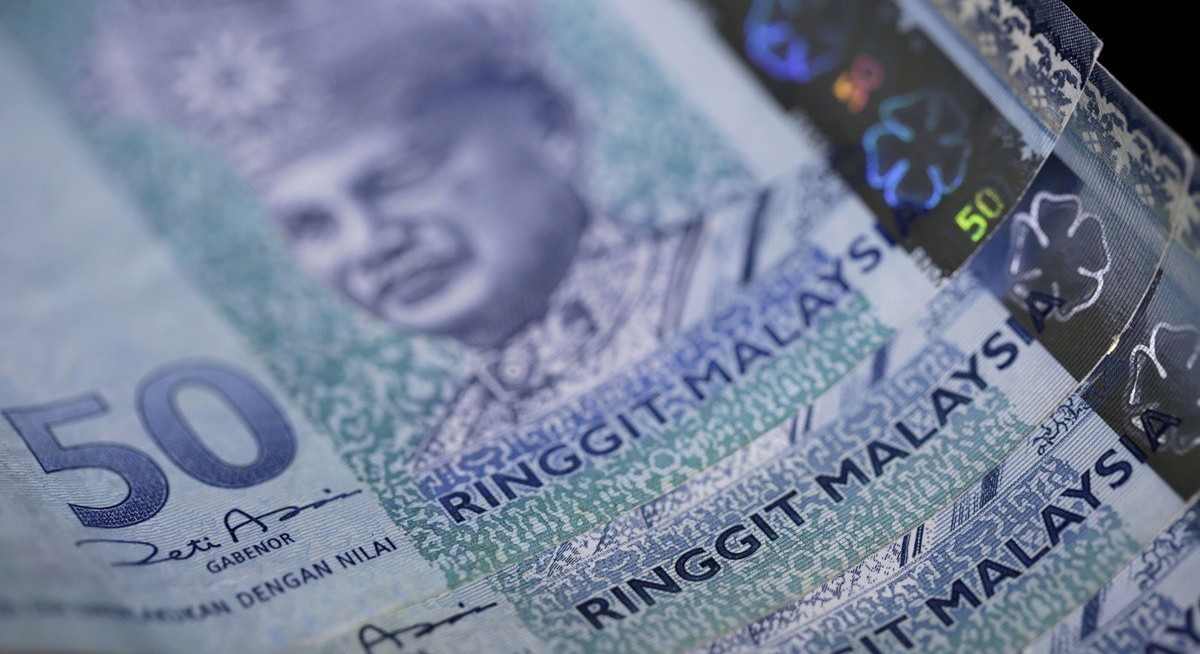


“Ringgit now remains on course to top Asia for the second year running,” said Stephen Chiu, chief Asia foreign-exchange and rates strategist at Bloomberg Intelligence in Hong Kong. The ringgit has been supported by fiscal discipline and political stability, he added.
The improving external demand may provide a further boost to Malaysia’s economy, which recorded its fastest pace of growth in a year last quarter. China and the US — Malaysia’s largest export partners — extended their tariff truce last week after weeks of threats.

“Unlike Asia’s high yielders, which face respective political risks and tend to underperform during dollar weakness, and the Northeast Asian currencies, which tend to underperform during dollar rise and risk off, [the] ringgit sits in the sweet spot and remains stable throughout the year,” Chiu said.
See also: BofA joins Goldman Sachs to boost yuan forecast
The local currency has also been supported by US$1 billion (RM4.17 billion) of foreign bond inflows in October, following a US$1.7 billion outflow in September.
BNM kept interest rates unchanged as expected on Thursday. Ringgit swaps are pricing for rates to be held over the next 12 months.
Uploaded by Liza Shireen Koshy




