


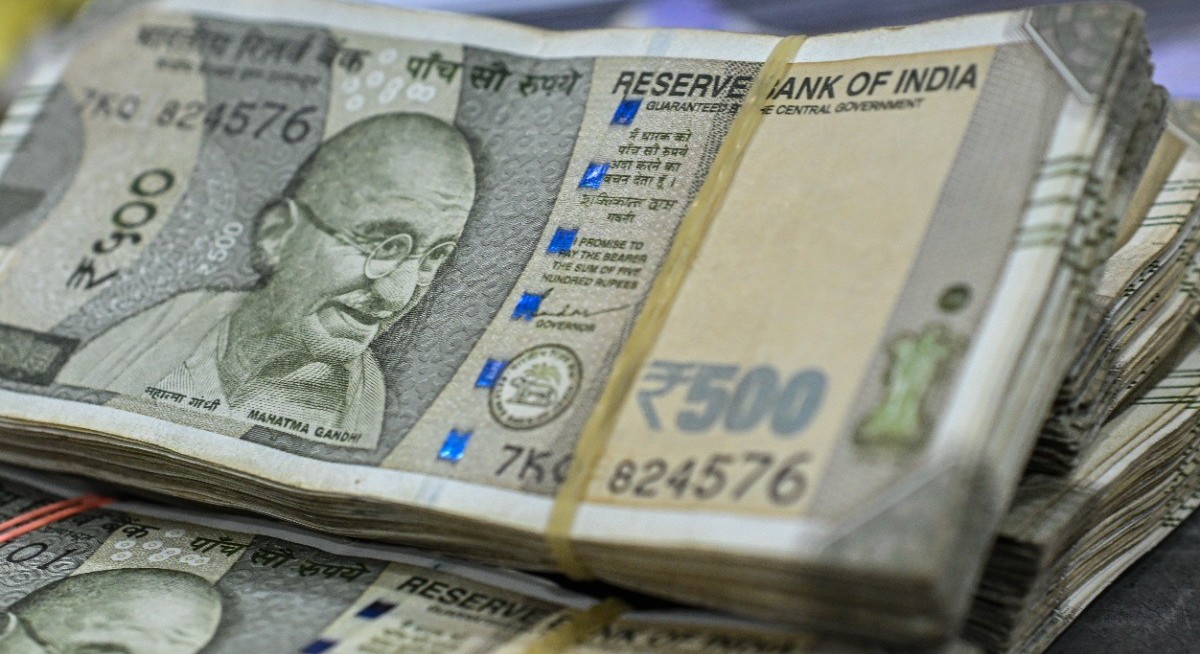


India is still among the few major economies yet to seal a trade pact with the US, though officials remain optimistic about wrapping one up soon. In the meantime, steep 50% tariffs on Indian goods have weighed on exporters, while strong imports have kept dollar demand high and added pressure on the rupee. These factors pushed India’s trade deficit to a record high and drove a significant widening of the current-account gap.
“Exporters are not selling dollars aggressively since the rupee is on a depreciating trend, while the dollar demand from importers remains high,” said Ritesh Bhansali, deputy chief executive officer at Mecklai Financial Services.
Only a trade deal with Washington is likely to provide near-term respite for the rupee, according to Barclays strategists. For now, with the key 90 mark breached, the currency could slip further to 90.30 in the coming days, HDFC Securities warned.
Kotak Securities Ltd says the RBI will need to step in more decisively to curb speculative pressure on the currency. The rupee has fallen about 5% this year — the weakest performance in Asia — with this week’s slide coming despite official data on Friday showing that India’s economy expanded at its fastest pace in six quarters.
See also: Yen carry trade a ‘ticking time bomb’, warns BCA Research
“If they allow the rupee to close above 90, we could see further speculative bets and the possibility of the rupee heading to 91,” said Anindya Banerjee, currency analyst at Kotak Securities. The recent slide is “hard to justify on a fundamental basis,” he said.
The rupee’s sustained weakness may prompt the RBI to leave interest rates steady at its policy review on Friday, said Kunal Sodhani, head of treasury at Shinhan Bank in Mumbai.
Hopes of a rate cut had already faded after last week’s stronger-than-expected growth print. Before the GDP data, RBI governor Sanjay Malhotra had flagged the possibility of cutting rates, citing record-low inflation.
Uploaded by Felyx Teoh




