


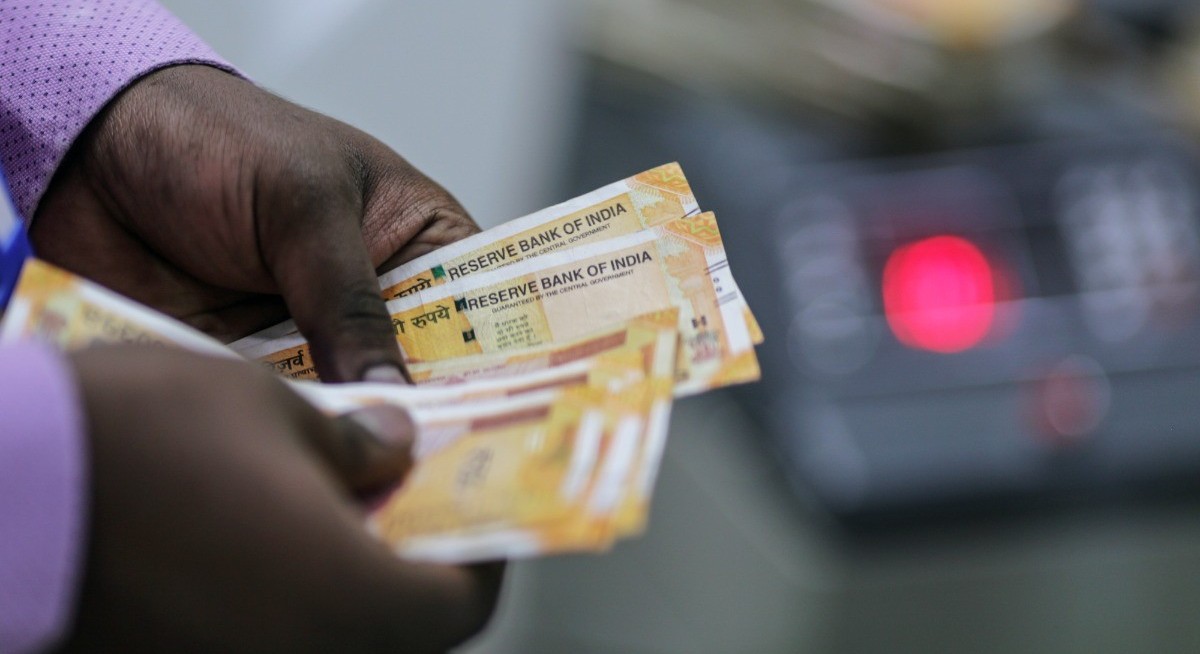


(May 25): India’s rupee strengthened as oil prices dropped on hopes of a US-Iran deal and on comments by the central bank governor that the currency may be undervalued.
The rupee rose as much as 0.6% to 95.1150 per dollar on Monday, joining a broader rally in regional currencies as Brent crude fell below US$100 a barrel. The currency has gained close to 1.5% over the past three trading sessions through today, with the part of the rise fuelled by central bank interventions.
The currency may now be undervalued following its recent slide versus the dollar, Reserve Bank of India Governor Sanjay Malhotra said in an interview with the Mint newspaper. The rupee is down about 6% so far this year, pressured by record foreign outflows from local stocks as the oil price shock caused by the war strains India’s external finances.
The public view on the currency shows the monetary authority is going the extra mile to stem the rupee’s slide, according to Australia and New Zealand Banking Group. That is as global investors prepare for extreme bearish scenarios where the currency weakens to an unprecedented 100 per dollar, an important psychological threshold.

“It is unusual for the RBI Governor to provide a view on the rupee’s valuation but in times of crisis like this, it gives a positive trigger after one-sided depreciation in the currency,” said Ritesh Bhansali, deputy CEO at Mecklai Financial Services Ltd. He expects the currency to gain to 93.50-94 in the event of the US and Iran announcing a fresh ceasefire.
See also: Sri Lanka rupee to recover from plunge as oil to ease, BMI says
The RBI has taken aggressive measures in the past couple of months to shore up the struggling currency, including a temporary clampdown on offshore market activity, restrictions on position limits and curbs on some types of trades. The measures offered only brief relief, highlighting the challenges the central bank faces in tackling a potential third straight year of dollar outflows exceeding inflows.
A gauge of the rupee’s competitiveness against other currencies stood at 90.96 in April, the lowest since at least 2014, according to Bloomberg-compiled data. That shows the currency is undervalued against peers.
The central bank is considering all of its available options to stabilise the currency, including an interest rate hike, more currency swaps and raising dollars from investors overseas, Bloomberg News reported last week.
Uploaded by Arion Yeow




