




(March 31): Huawei Technologies Co’s growth decelerated sharply after Apple Inc’s iPhone 17 made headway in China and domestic challengers in artificial intelligence (AI) chipmaking emerged.
The Chinese smartphone and chip maker reported a 2.2% rise in 2025 revenue to 880.9 billion yuan (US$126.0 billion or $164.2 billion), down sharply from about 22% the year before. Huawei experienced a 2% decline in Chinese smartphone shipments after the iPhone debuted late last year, though it held on to claim top spot in the market for 2025, according to researcher IDC. Apple, in contrast, grew its volumes by 4% while the Chinese market slipped 0.6%.
Huawei, regarded as one of the leading Chinese makers of the AI chips that drive AI development and services, still gets most of its revenue from consumer devices and networking equipment. Those businesses have performed steadily despite US sanctions that have throttled its access to critical American components vital to production.
In the longer term, it’s positioning itself as China’s leading contender to Nvidia Corp. Huawei is advancing a three-year chip technology road map anchored by increasingly sophisticated Ascend chips and AI servers for data centres. Still, the company faces growing competition from domestic providers including Cambricon Technologies Corp and internet giants such as Alibaba Group Holding Ltd and Baidu Inc that are increasingly designing and deploying their own silicon.

Revenue from its ICT infrastructure business — which covers telecommunications equipment and AI hardware — grew just 2.6% last year, down from more than 4% in 2024.
See also: Ping An bets on AI to add US$174 bil to underperforming stock
Chinese AI chip developers have benefitted from Beijing’s push to adopt domestically made chips. But they are facing production constraints as US restrictions hamper expansion at local manufacturing partners such as Semiconductor Manufacturing International Corp (SMIC).
Huawei is also expanding into newer areas. Its net profit rose 8.7% last year, helped by a small but rapidly growing smart car solutions arm that offers autonomous driving hardware and software. The car business reported an increase of 72% in revenue to 45 billion yuan.
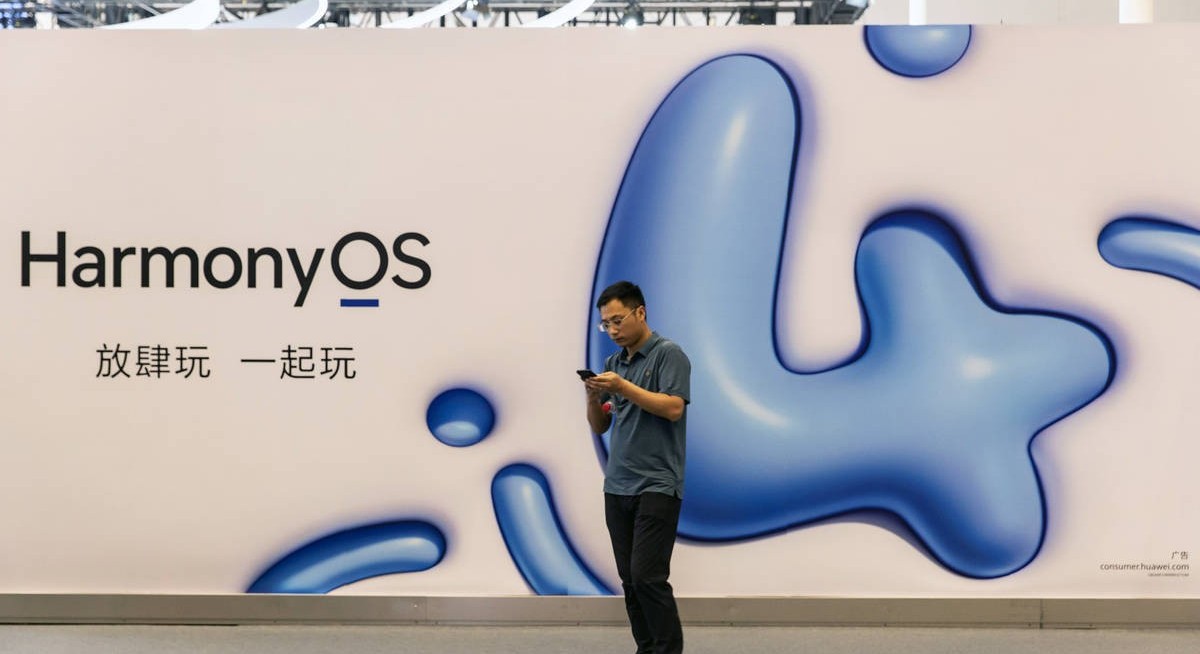
Its research spending increased 7% to more than 190 billion yuan last year, as Huawei invests heavily in AI and electric vehicle technologies. It’s also building out an Android-free operating system for its mobile devices, to move away from US technologies.
Uploaded by Tham Yek Lee




