




Producer prices slipped slightly less than forecast and fell 1.9% — their 39th straight month of declines but the smallest decrease in over a year. China’s core CPI, which excludes volatile items such as energy, grew 1.2% for the third straight month and non-food inflation remained unchanged at 0.8%.
“Inflation remains relatively low and should not preclude further monetary easing this year,” said Lynn Song, the chief Greater China economist of ING Bank NV.
Plagued by a housing slump and weak consumption, China has struggled to overcome deflationary pressure since the end of the pandemic, especially as overproduction in some industries led to a glut of goods and pushed firms to cut prices to survive.

See also: China bans below-cost car sales to end prolonged price war
The country’s gross domestic product deflator likely declined for the third straight year in 2025, the longest streak since China transitioned towards a market economy in the late 1970s. In the view of global banks like Morgan Stanley, the broadest measure of prices may only turn positive from 2027.
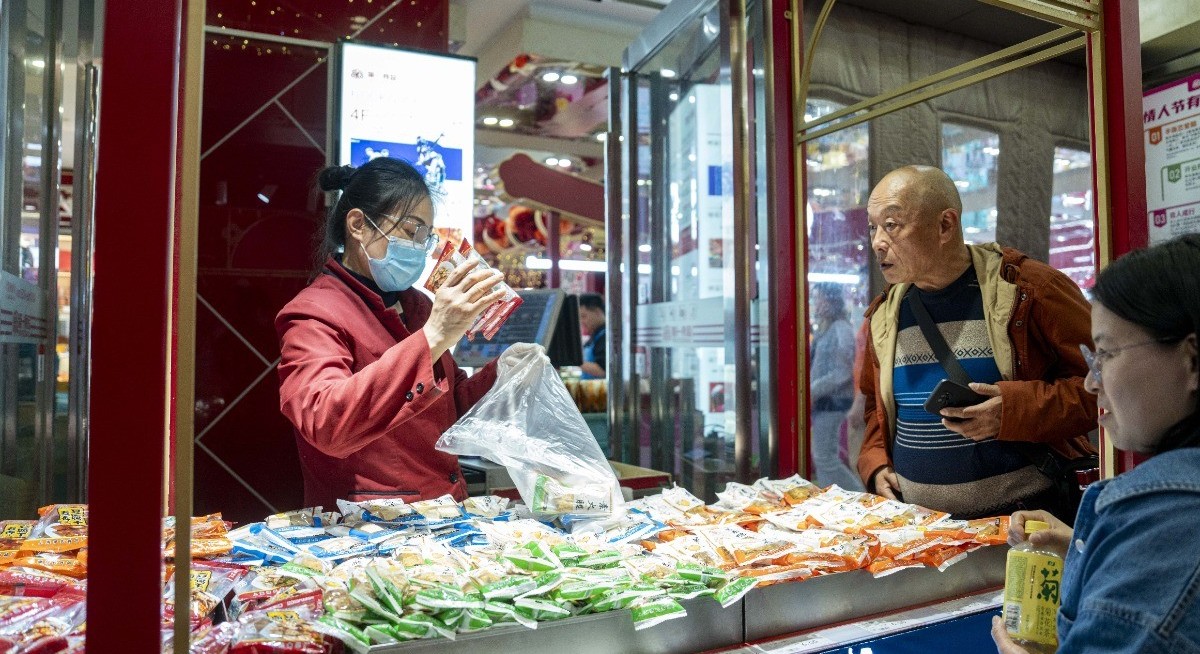
Food prices rose 1.1% from a year earlier, the fastest since October 2024. Capital Economics said weather disruptions were probably behind a surge of more than 18% in the cost of vegetables.
And in a sign of a continued inflationary impact from higher gold prices, the CPI category of “miscellaneous goods and services” — which includes jewellery — soared 17.4% from a year ago, a fresh record in data going back to 2016.
See also: ByteDance, Zhipu jolt AI model race ahead of Chinese New Year
Dong Lijuan, an NBS analyst, acknowledged that the pickup in the CPI last month was mainly driven by faster increases in food prices. But other key factors were also in play last month.
“Household consumption demand increased with the approach of the New Year holiday as policies aimed at expanding domestic demand and boosting consumption continued to take effect,” Dong said in a separate statement.
While consumer inflation has rebounded from less than zero earlier in 2025, it still ended the year well below the official target of around 2%. Services prices grew at a slower rate for a second month, while the cost of housing rents and utilities declined for the first time in more than a year.
At the Communist Party’s Central Economic Work Conference in December, top officials pledged to push on with their so-called “anti-involution” campaign, an effort to stamp out the price wars that have been eating into profit margins of industries from electric vehicles to food delivery.
The steps taken so far have fallen short in many sectors, with global automakers and their dealers in China pressing ahead with aggressive price cuts and purchase incentives in early 2026.
Progress has been limited in part because of government concerns over the risk of job losses and weaker economic growth. Efforts to cut capacity in the steel sector are proceeding slower than expected, according to Goldman Sachs Group Inc, leaving Chinese mills to face an extended period of depressed margins.
Still, the NBS’ Dong pointed to narrowing price declines in industries ranging from coal mining and washing to lithium-ion battery manufacturing as a sign that government efforts are bearing fruit.
To stay ahead of Singapore and the region’s corporate and economic trends, click here for Latest Section
The latest inflation reading is unlikely to have policy implications for the People’s Bank of China (PBOC), which has kept interest rates on hold since a reduction at the height of the trade war with the US last May.
“The PBOC is not in a hurry,” said Xing Zhaopeng, a senior China strategist at Australia and New Zealand Banking Group Ltd. “We continue to see a negative output gap and deflationary risk in 2026. Current upswings in data are cost-driven.”
Uploaded by Tham Yek Lee




