


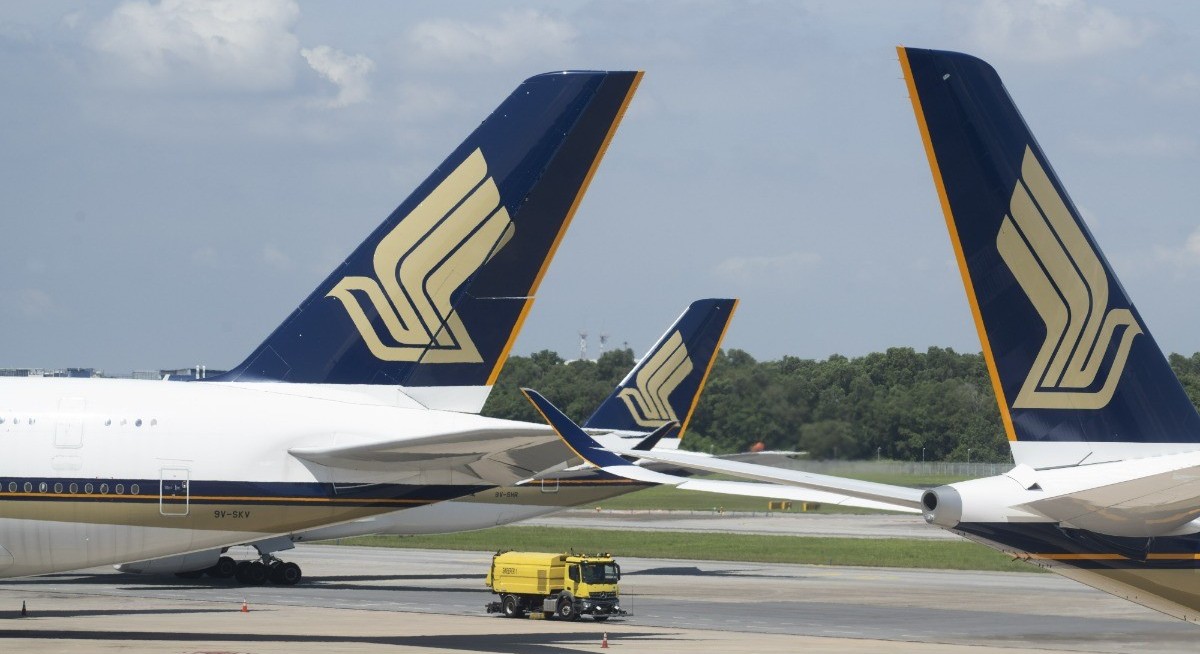


(May 20): A Singapore Airlines Ltd flight that hit severe turbulence in 2024, killing one passenger and injuring dozens more, may have suffered from a malfunctioning weather radar, according to the final report into the incident.
The aircraft’s pilots reported that the weather radar used for the flight wasn’t showing any weather systems of concern when the Boeing Co 777-300ER plane hit turbulence at 37,000 feet (11,200 metres) above Myanmar.
While the 59-page report by Singapore’s Transport Safety Investigation Bureau stopped short of attributing the malfunctioning of the critical piece of flight software for the incident, investigators concluded a failure of the weather radar “can’t be ruled out”.
Among its recommendations, investigators said aircraft manufacturers should develop methods to determine if weather radar displays are working correctly and procedures for pilots to troubleshoot them properly.
The report also emphasised the need for passengers to keep seat belts fastened at all times given the majority of severe injuries occurred to people who had undone their seat belts.
The report was released Monday, just days before the second anniversary of the accident on the London-Singapore flight. The turbulence threw passengers and crew out of their seats, with some hitting their heads on the cabin ceiling. A 73-year-old British man died, 56 were seriously hurt and 23 suffered minor injuries.
See also: Asian airlines need help to cope with fuel surge, trade body says
Singapore Airlines said it had beefed up its in-flight turbulence procedures following the incident. This included additional tools to detect and anticipate turbulence. Other improvements included refresher training for all crews on weather radars and turbulence management.
The airline acknowledged the final report, and apologised again for the traumatic experience suffered by the passengers and crew.
“Singapore Airlines will continue to follow any additional applicable guidance from the aircraft manufacturer, the weather radar manufacturer and regulators,” the company said in an emailed statement.
See also: Boeing gets its China deal at Trump’s visit, with many questions
Singapore Airlines said of the 29,000 Boeing 777 flights it operated between May 2023 and July 2025, it disclosed 103 flights with weather radar-related issues, amounting to just 0.36% of trips. Of those incidents, 36 cases of incorrect weather displays were recorded, including three separate events involving the affected jet prior to the May 2024 flight.
Of the three separate events, the report disclosed the most recent occurred just six days prior to the accident, with the aircraft suffering an identical weather radar display issue while flight crews observed stormy weather outside the cockpit window.
When the aircraft returned to Singapore, flight crews tested the weather systems and found the right-hand display showed the incorrect amount of weather build-up relative to the left-hand screen. However, the unnamed manufacturer of the weather radar display disputed some of the tests as not following recommended procedures.
Uploaded by Chng Shear Lane




