


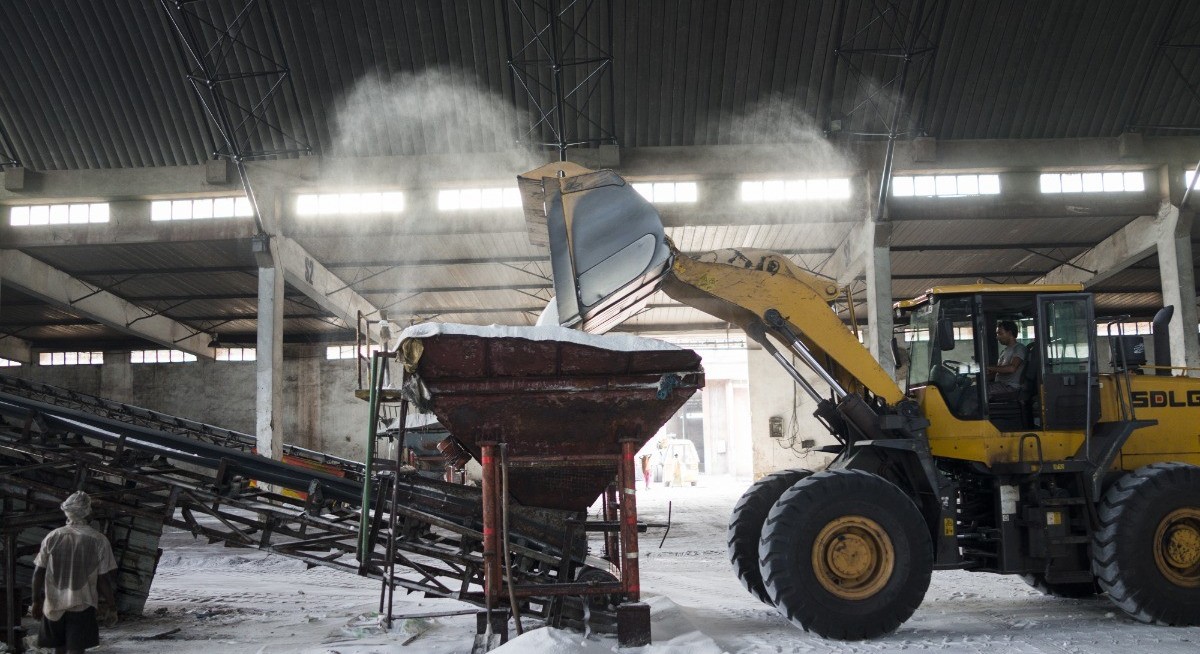


Indian Potash Ltd, which imports the crop nutrient for the government, received offers for 3.29 million tonnes against a 1.5 million tonne tender for the west coast, with prices between US$935 and US$1,136 per tonne, according to people familiar with the matter.
For the east coast, submissions totalled 2.63 million tonnes against a one million tonne requirement, with offers between US$959 and US$1,136 a tonne, they said, asking not to be identified due to the commercial sensitivity of the information.
Urea prices from the Middle East, typically a major global supplier to India, were trading at US$490 a tonne before the war began, Green Markets data shows. The latest offers are about double the pre-conflict spot levels.
A fertiliser ministry spokesperson didn’t immediately respond to an email seeking comment.
See also: India urges crop shift for monsoon planting as rains falter
Indian Potash had issued a tender to collectively procure 2.5 million earlier this month, the first such purchase for the country since the US-Israeli strikes on Iran. The timing is crucial as sowing for key monsoon crops, including rice, corn and soybeans, is set to begin in the coming months.
The South Asian nation’s urea output depends heavily on natural gas, much of it sourced from the Middle East and used to produce ammonia, a key feedstock. A shortage of liquefied natural gas following the effective closure of the Strait of Hormuz forced some regional firms to idle plants last month. Indian authorities are in talks with major producers and exporters of nitrogen-based and phosphatic fertilisers to secure direct supplies.
Global urea prices have surged since the start of the war as nearly 45% of global supplies pass through the Persian Gulf, according to Bloomberg Intelligence. Any prolonged shutdown risks driving prices even higher.
Uploaded by Arion Yeow




