


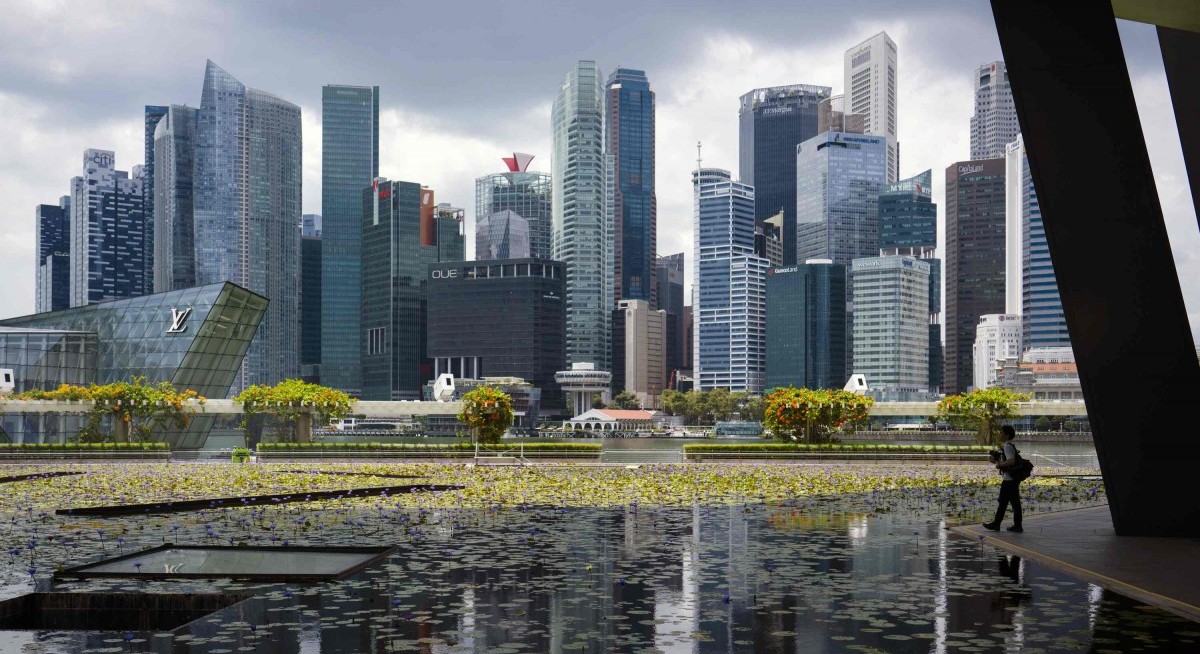


In Singapore’s high-stakes residential market, the Core Central Region (CCR) — particularly Districts 9, 10 11 — has long been considered the ultimate benchmark for wealth preservation.
A prestigious address along Orchard Road, Bukit Timah or River Valley traditionally justified a $2,800 to $6,000 psf entry price. For many investors, location alone was sufficient to secure long-term value.
But the market has evolved. Today’s luxury buyer is far more sophisticated. As Singapore enters an era of understated “quiet luxury”, prestige is no longer defined solely by postcode or facade.
Increasingly, buyers are scrutinising what lies beneath the surface — what we can call asset integrity.
The three pillars of long-term luxury value
To protect a property’s value over a 10-year horizon, discerning investors examine three key layers:
1. Location and connectivity
- This includes proximity to elite schools and established residential enclaves; access to MRT lines, expressways and essential services; and even enduring greenery and stable urban planning.
- Location remains foundational, but it is only the first layer.
2. Architectural space and wellness
- Buyers pay top dollar for functional, efficient layouts with natural light and ventilation. They also look out for biophilic design that integrates wellness and nature, along with durable facades and premium materials that age gracefully.
- Architectural integrity influences both rental desirability and long-term resale potential.
3. Internal specifications
- Often overlooked, this pillar determines how the property performs daily and ages technologically. It includes kitchen and laundry systems, air-conditioning, toiletry systems and smart home infrastructure
- A home is only as luxurious as its operational backbone as residents will be using them daily.
The invisible depreciation risk
Luxury developments in Singapore often take three to five years from land acquisition to completion. During this time, technology evolves rapidly. If internal fixtures are selected early and not updated to current-generation models, a specification gap can emerge between marketed luxury and delivered performance.
Outdated appliances and systems risk parts obsolescence after the developer warranty period (typically 12 to 18 months), potentially forcing costly premature replacements.
Also, Singapore’s sustainability benchmarks are rising. Homes with less-efficient systems may be harder to lease or may lose value among environmentally conscious tenants.
Ever-younger future buyers are also digital natives. Finding kitchens or home systems that feel technologically “behind” in a multi-million-dollar property creates psychological friction — even if the development is relatively new.
Service costs, the availability of parts and replacement timing all factor into perceived value.
Futureproofing and due diligence
A true luxury residence should feel modern not only at TOP but even a decade after handover.
Buyers who pay premium prices for homes in the CCR expect reliable operations, relevant technology and long-term asset integrity.
The question is no longer: “Is this a recognised brand?” Instead, buyers ask: “Is this the brand’s current flagship model and is it supported by robust service?”
The discerning buyer’s integrity checklist
When evaluating your next prime district acquisition, consider these critical questions:
1. Up-to-date specifications
- Are the appliances, fixtures and systems from various brands’ current global models?
- Were the units selected to meet today’s standards, rather than older models that are no longer available in retail stores?
- Do developers request the supplier to upgrade to the latest model if the original range is obsolete?
- Does the smart home infrastructure support future updates?
- Are systems designed to evolve rather than staying static?
2. Energy and sustainability benchmarks
- Do systems meet current energy-efficiency and water-saving standards?
- Is the project aligned with Singapore’s forward-looking climate plans?
3. Parts and service commitment
- Is there guaranteed long-term parts availability beyond 10 years?
- Are the service technicians factory-trained and do they support local owners?
- Are specifications fully disclosed and in line with the premium price, rather than older, cost-saving obsolete models?
- What is the average turnaround time for warranty service?
- What commitments exist for service response timelines?
Excellence without compromise
In Singapore’s ultra-prime residential segment, time is as valuable as capital. Downtime, inefficient systems or prolonged servicing directly impact homeowner experience, tenant retention and resale confidence.
Paying a premium for a luxury address carries an implicit expectation: luxury is not just in the postcode or facade; it is in the integrity of what works behind the walls, and the peace of mind that comes with it.
True luxury is measured not only by what is visible at handover, but by what continues to perform effortlessly, reliably and elegantly for the next decade and beyond.




