


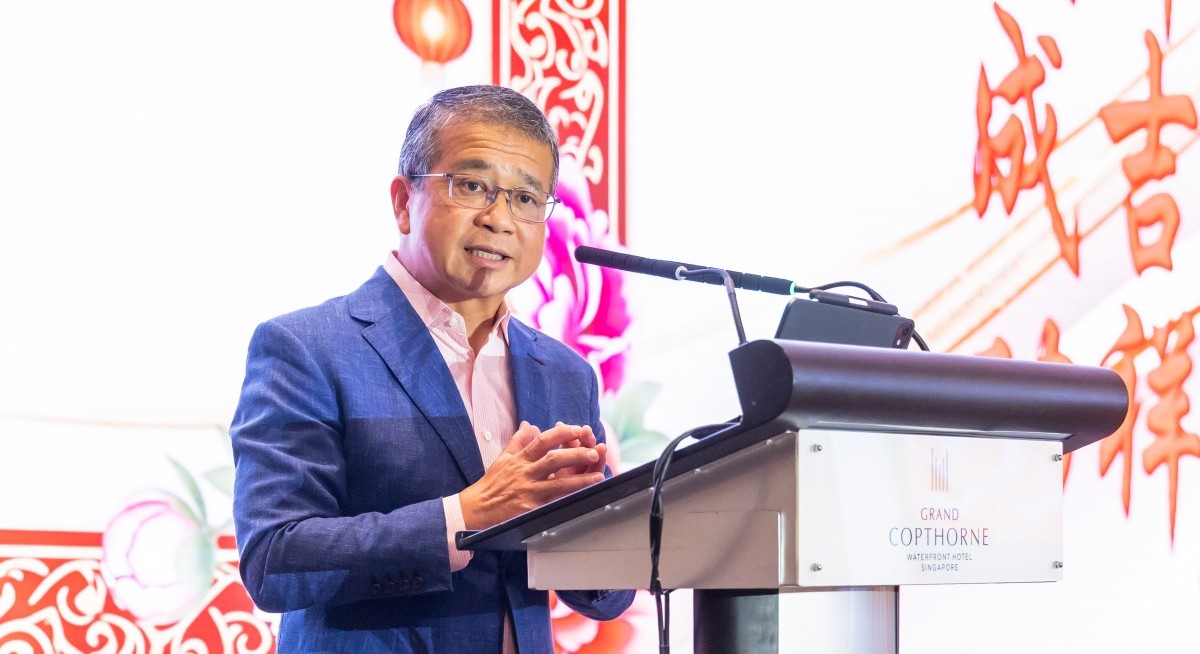


It will automatically compute the estimated LBC from key inputs and allow for scenario testing under different development options, says Minister for Law Edwin Tong at the Real Estate Developers’ Association of Singapore’s (Redas) annual Spring Festival lunch on Feb 27.
“We understand that upfront certainty on the LBC amount is critical for business decisions… This will provide greater certainty for businesses when trying to work out their costs overall,” Tong adds.
At this time, the LBC Estimator can only provide estimates for development proposals involving an increase in gross floor area or a change of use, development proposals involving existing and proposed uses set out in the LBC use groups table (see table), and development proposals that do not require the LBC payable to be assessed by the valuation method.

The LBC regime was introduced in August 2022 and replaced the previous Development Charge and Differential Premium systems, which were administered by the Urban Redevelopment Authority and SLA, respectively.
“This has simplified the process and benefits landowners and developers, who no longer need to apply to different agencies for the payment of these charges,” says Tong.
LBC rates are announced twice a year, on March 1 and Sept 1, following a review by SLA in consultation with the chief valuer at the Inland Revenue Authority of Singapore (Iras).
LBC rates for the March to August 2026 cycle saw upward adjustments across the commercial (A), landed residential (B1), non-landed residential (B2), and industrial (D), as well as place of worship/civic and community institution (E) use groups.




