




Listed on the Singapore Exchange in 1968, FEOR — formerly known as Ming Court — was focused on developing and operating hotels in Singapore. In the 2010s, management repositioned the group to branch out into development projects and healthcare properties. In 2012, FEOR exited its hospitality assets through the REIT listing of Far East Hospitality Trust.
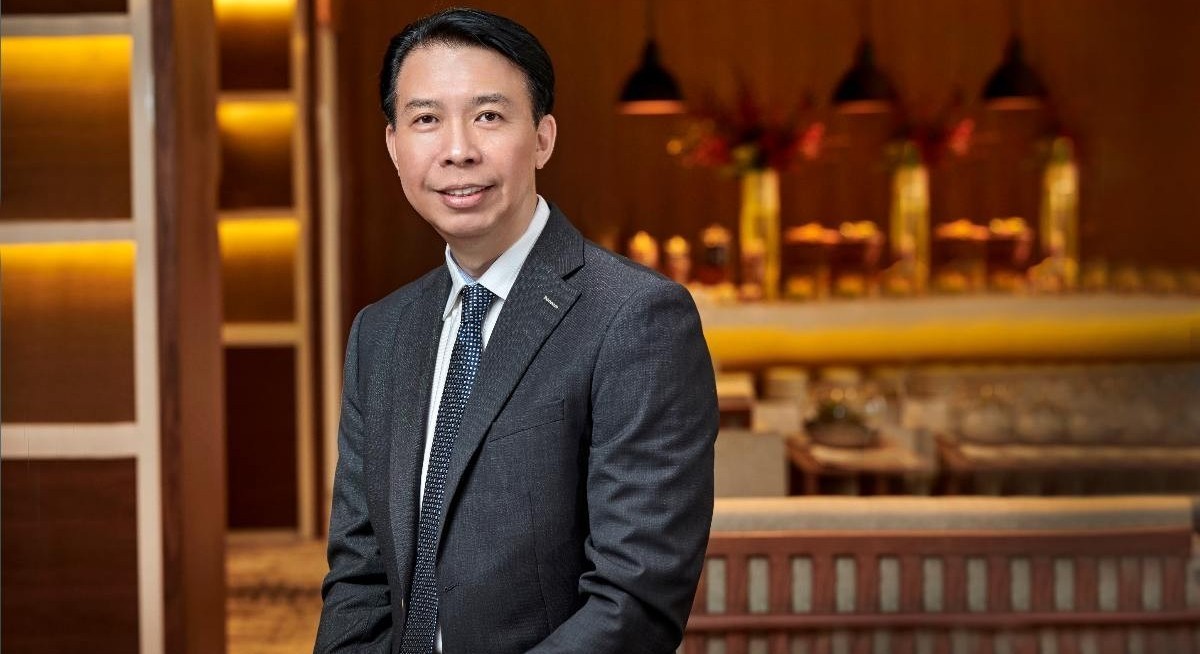
Alan Tang, formerly chief operating officer of Frasers Hospitality, joined FEOR as CEO at the start of 2020.
In November 2025, FEOR unveiled a slate of targets under its FEOR2030 five-year plan. FEOR aims to reach assets under management (AUM) of $3 billion in core assets by 2050, up from $2 billion in 2025.
It also aims to reach 25,000 rooms and 85,000 beds in five years, referring to its count of hospitality rooms and purpose-built student accommodation (PBSA) beds, respectively.
See also: Info-Tech to benefit from 'structural shift' in government's AI-related push: RHB
As at end-2025, FEOR owns and manages more than 18,000 hospitality rooms. With the inclusion of Homes For Students (HFS), a student accommodation provider in the UK in which FEOR holds a majority 84% stake, FEOR owns and operates approximately 60,000 PBSA beds as at end-2025. FEOR plans to fully acquire HFS, the UK’s largest independent PBSA operator, by 2030.
FEH, led by managing director Mark Rohner, is involved only in the hospitality segment of FEOR’s lodging platform. The other half is FEOR’s student accommodation business, led by Yang Zejian, who joined FEOR as managing director of its PBSA business in September 2025 after more than 15 years at Mapletree.

See also: Mittal of DBS maintains 'buy' on Singtel on sale of Gulf Development stake
Separate from the two-pronged lodging platform, FEOR plans to scale up its fund management platforms, with a primary focus on lodging assets in the UK, Japan and Europe.
With FEOR2030, FEOR’s intention is also to shift towards “more stable and recurring fee-based income”, where management expects exponential growth in their fund platform, note DBS analysts Geraldine Wong and Derek Tan.
In a report calling FEOR a “re-emerging lodging powerhouse”, Wong and Tan think FEOR could divest some $1.1 billion in non-core Singapore assets that “are not fully maximised”. These include the freehold land where Orchard Rendezvous Hotel is situated; medical suite units in Novena Medical Center and Novena Specialist Center; balance units in Woods Square, an integrated commercial development in Woodlands in which FEOR holds a 40% stake; and a 20% effective stake in SBF Center at 160 Robinson Road.

“As FEOR embarks on its next phase of transformation under the FEOR2030 framework, we see potential to exploit these non-core assets, monetise and recycle to grow FEOR’s asset-light platforms,” say the analysts.
There are also high returns in pivoting towards an “asset-light” model, they add. “We estimate that FEOR’s latest reported return on equity (ROE) at 3.8% is heavily tilted towards its legacy assets and properties, which we believe has weighed down on returns.”
According to DBS, the “lowest-hanging fruit” within FEOR’s portfolio is its Singapore properties, with an asset yield estimated at 2.5%. “If sold, the proceeds could be recycled into PBSA assets, with a higher asset yield of 4.8%. We see an opportunity to improve the group’s overall returns as the asset-light business could achieve ROE in the range of a high-single-digit percentage.”
DBS’s unrated report places FEOR’s potential target price at $2, or an upside of around 60% against its trading price of $1.25 as at April 15. “We believe the market has yet to price in this [divestment] scenario, with share price trading at 0.4 times price-to-book,” say Wong and Tan.
Photos: FEOR, DBS Group Research
See also:
Far East Orchard to go light over the next five years
With no net-zero target, Far East Orchard focuses on cutting Scope 1, 2 emissions
For more property trends and breaking news, visit City & Country’s microsite at theedgesingapore.com/cityandcountry




