


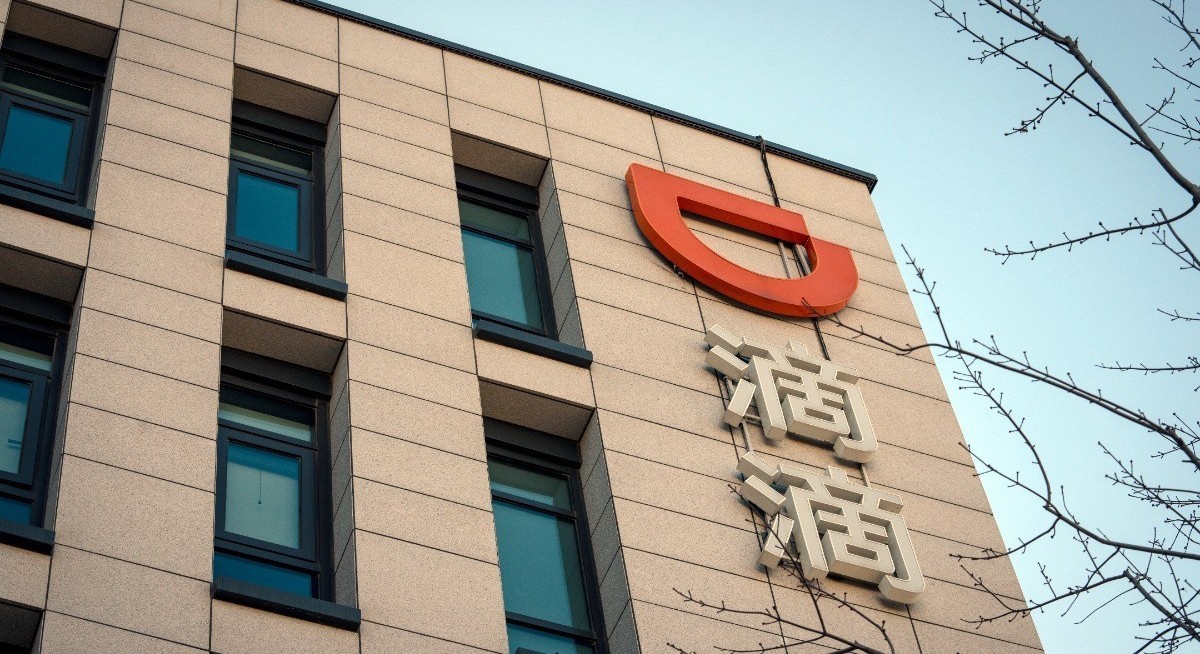


The US enjoys significantly higher per capita income than China. At the same time, alternative transport options are often less extensive than in many major Chinese cities. As a result, the price elasticity of demand for ride-hailing in America is lower. Consumers are more able and willing to absorb higher fares.

China presents the opposite environment. Average income remains lower, while consumers have access to extensive public transportation networks, high-speed rail, subways, buses, electric scooters and other low-cost alternatives. Competition for consumer spending is intense. Consequently, demand is more price-sensitive. Small increases in fares can lead to a larger loss of customers.
Economic theory suggests that firms maximise profits where marginal revenue equals marginal cost (where the demand elasticity equals one). In a market with more elastic demand (China), the profit-maximising price is lower. DiDi operates at lower pricing levels than Uber.
See also: The washing machine that explains China
Yet, China’s advantage lies elsewhere.
While the profit earned per ride may be lower, the potential number of rides is far higher. China’s population is more than four times that of the US’. Large cities contain enormous concentrations of consumers who use transport, delivery and local services daily. The result is a business model built on scale rather than pricing power.
This distinction is visible in the financial outcomes of the companies.
See also: Why China built capability and Japan preserved wealth
Uber generates higher margins, stronger profitability and commands a substantially larger market valuation. Investors reward its ability to extract profit from each customer. DiDi, by contrast, serves a much larger and more price-sensitive market, where competition forces prices lower and returns are spread across a broader customer base.

The contrast mirrors the broader differences between the two capitalist systems described in “The political economy of modern capitalism”.
The American model tends to favour pricing power, intellectual property, market concentration and higher corporate profitability. The Chinese model tends to favour scale, competition, affordability and consumer surplus.
From the perspective of consumers, the Chinese system often delivers cheaper goods and services. From the perspective of shareholders, the American system often produces superior profitability and higher valuations.
Neither outcome is accidental. They are the logical consequences of different economic environments, different consumer realities and different competitive dynamics.
The same forces that explain why a Bosch washing machine, a Xiaomi smartphone or an electric vehicle may be dramatically cheaper in China also explain why DiDi rides are cheaper than Uber’s. Competition, scale and affordability drive one system. Pricing power, margins and shareholder returns drive the other.
For more stories about where money flows, click here for Capital Section
At the firm level, Uber and DiDi are not merely ride-hailing companies. They are microeconomic reflections of two very different forms of modern capitalism.




