




Value Talk, Real Walk is a monthly column by Smartkarma dedicated to tracking how Singapore-listed companies are unlocking value through divestments, buybacks, governance reforms, and disciplined capital returns. Each edition highlights firms turning intent into execution.
The month in review
Our analysis focuses on a curated group of Singapore-listed companies characterised by active value realisation. March marked a period of consolidation across this universe as global markets navigated heightened macro uncertainty and shifting liquidity conditions.
Large-cap names held up more steadily over the past month, supported by institutional ownership and balance-sheet resilience. Small- and mid-cap names, which had outperformed earlier in the year, experienced sharper short-term pressure, reflecting a familiar pattern during supply shocks, in which liquidity and quality attract a premium.
Sector performance was uneven. Industrials declined, reflecting sensitivity to cyclical demand expectations and global trade dynamics. Real Estate also weakened, as investors continued to balance asset recycling narratives against prevailing financing conditions in a higher-rate environment. Materials remained relatively stable, while Energy posted gains, suggesting resilience among commodity-linked names amid fluctuating broader input price expectations.
See also: DBS likes 'pick-and-shovel' firms as AI and energy drive new global capex supercycle
Taken together, the month’s performance suggests a pause in momentum rather than a reversal of the underlying value-up narrative. Corporate actions centred on portfolio rationalisation and reinvestment continue to shape investor expectations even as broader market conditions fluctuate.
Who walked the talk
• CapitaLand Ascendas REIT: Multi-geography capital raise executed with precision
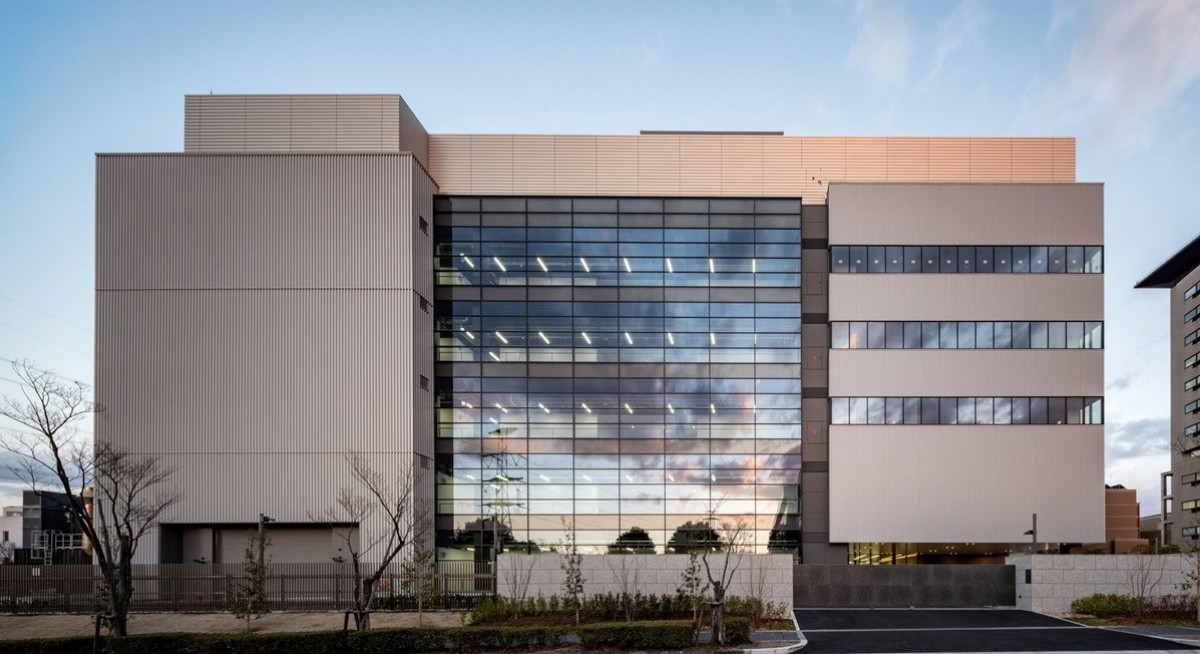
CapitaLand Ascendas REIT closed an equity fund raising of approximately $903.5 million in March through a private placement and a preferential offering. The book was oversubscribed, drawing participation from long-only funds, real estate specialists, and private wealth investors. The REIT intends to allocate proceeds across several acquisitions, including Singapore logistics and business space assets, a US Class A logistics facility, a six-property logistics portfolio in Spain, and a data centre stake in Greater Osaka.
Why it matters: For REITs, disciplined capital raising remains essential to balancing growth and yield stability. CapitaLand Ascendas REIT’s approach illustrates how proactive balance-sheet management can support expansion without undermining investor confidence.
See also: Clear cut case of no rate cut, no shortcut to lower US debt: Yellen
• Geo Energy Resources: Placement to support an integrated energy value chain
Geo Energy Resources completed a placement of 35 million shares, raising approximately $15 million in proceeds. Management indicated that the funds raised would be directed toward growth initiatives and operational scaling, positioning the company to capitalise on sustained demand for energy resources in regional markets.
Why it matters: Capital raising, when aligned with a clear growth framework, can enhance strategic flexibility rather than dilute shareholder value. Geo Energy’s move reflects the growing importance of disciplined financing structures in the resource sector.
• Winking Studios: A strategic studio acquisition that doubles as a senior hire
Winking Studios announced the proposed acquisition of Ampera, a Quebec-based art outsourcing studio. Ampera provides Winking Studios with an initial operational presence in North America in line with the group’s objective to expand its presence in Western markets. The deal also brings in Ampera’s founder, Claude Bordeleau, an experienced gaming industry executive, as the group’s chief revenue officer, leading its commercial strategy across Western markets.
Why it matters: Strategic acquisitions can serve as catalysts for value creation by expanding addressable markets and strengthening competitive positioning. Winking Studios’ move highlights how Singapore-listed firms are pursuing global growth through targeted capability expansion.
• Aoxin Q&M Dental Group: Sponsor backs growth through dual-tranche placement
Aoxin Q&M Dental Group announced two simultaneous placement agreements in March, raising net proceeds of approximately $17 million through the issuance of 113 million new shares. The first tranche is a best-efforts placement to third-party investors. In contrast, the second agreement is a direct subscription by the controlling shareholder, Q&M Dental Group, for 50 million shares at the same placement price.
Management indicated that the proceeds would be directed toward expanding clinic networks and enhancing operational capabilities, positioning the company to capture rising demand for private dental services amid continued development in China’s healthcare sector.
Why it matters: Equity placements can dilute in the short term but often signal a company prioritising balance-sheet flexibility to fund expansion without increasing leverage.
For more stories about where money flows, click here for Capital Section
• Stoneweg Europe Stapled Trust: Deepening data centre exposure through structured instrument
Stoneweg Europe Stapled Trust (SERT) invested an additional €50 million into AiOnX, the sponsor’s European data centre development platform, via a mandatory convertible loan. The instrument carries a 7.25% annual cash coupon paid semi-annually, ranks senior to all common equity distributions, and converts into AiOnX equity at a discount at maturity. The investment brings SERT’s total data centre exposure to approximately 7% of portfolio value, advancing its medium-term target of 15%–25% sector allocation.
Why it matters: The mandatory convertible structure gives SERT predictable near-term income while retaining equity upside in the platform as projects mature, a considered way to add exposure to a capital-intensive sector without taking on direct development risk on the balance sheet.
Key takeaways
March’s market movements suggest that while short-term volatility has resurfaced, the structural foundations of Singapore’s value-up narrative remain sound. Corporate actions across the market continue to demonstrate a growing emphasis on capital discipline and shareholder value creation. Share buyback activity across SGX-listed companies has also remained elevated in early 2026, signalling that boards are increasingly willing to deploy capital in response to perceived market undervaluation.
Investor participation also continues to play an important supporting role in this evolving market structure. Retail investors recorded strong net buying activity in the first quarter, underscoring sustained domestic engagement in Singapore equities even amid global uncertainty. The STI recorded a total return of 5.6% for the first quarter of 2026, outperforming both the FTSE APAC Index and the FTSE World Index in SGD terms.
From a policy perspective, governance accountability is also becoming more formal. The Value Unlock programme’s grant recipients are required to publish shareholder value enhancement plans and maintain an active investor presence, in line with the push to improve corporate governance and shareholder transparency.
Against a backdrop of persistent geopolitical uncertainty and fluctuating energy markets, the coming quarters will test whether corporate Singapore can sustain the momentum behind its value-up agenda. As policymakers strengthen governance expectations and investors demand greater capital efficiency, companies will face growing pressure to demonstrate tangible value creation.
Durable rerating will ultimately depend on companies’ ability to translate strategic intent into measurable execution.
Smartkarma is a Singapore-based investment intelligence platform that connects global investors with independent research, data and analytics. It is at the forefront of developing benchmarks and digital-IR solutions to support Singapore’s value-up reforms.




